


 Ban & Monetization Policy
 MyLiveRoom Rewards Program Rules & Eligibility
Could Bluefire Valve Choices Improve Safety For Your Camping Setup?
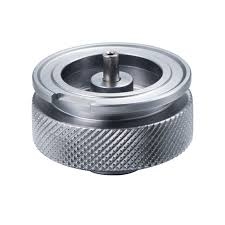
When you are choosing gear for a wild night under the stars, safety is as important as convenience, and that is why the Bluefire EN417 Valve earns attention from serious outdoor users. This small component sits between a canister and a stove or torch and quietly governs the flow of gas. When it works as intended you feel nothing but warmth and comfort. If it fails the consequences can be disruptive and dangerous, so understanding what this valve does and why it is specified for camping gear changes how you pack and use pressurized fuel containers.
A valve that matches the EN417 mark carries a set of expectations about structure and testing. Those expectations are not only about the way it fits on a threaded canister but also about air tightness and pressure resistance. When manufacturers run consistent production and inspect each unit, the result is fewer random failures during transport and use. Those assurances help reduce leaks while you are hiking or cooking at an exposed site. The product information from the maker highlights that these valves are subject to air tightness checks and pressure tests to make sure they hold up under everyday stresses.
Beyond passing tests, the practical details matter. Valves that come in single layer or double layer versions and with various thread types allow compatibility with a wide range of canisters and stoves. This flexibility matters when you are buying accessories or replacing worn parts on a trip. A valve designed to match industry standard fittings will couple securely to many canisters in the market so you do not end up stranded because a part will not attach. The manufacturer also describes customization options so business buyers and brand partners can request configurations that fit their supply chains and product lines.
Manufacturing processes influence reliability. Consistent automated production helps maintain the same tolerances from one valve to the next. When raw materials are chosen with durability in mind and every assembly goes through inspection, the final product is less likely to show early wear. For people who use portable fuel often and in variable conditions, quality control in the factory translates into fewer surprises on the trail. The maker notes a commitment to automated lines and full inspections which supports this expectation.
How a valve performs on a busy weekend trip depends on how it manages pressure and how well it seals. A tight seal keeps fuel where it should be until you open the control. A predictable pressure response makes lighting and regulating a stove easier and safer when wind or cold change how the burner behaves. When the valve design and manufacturing are aligned with recognized standards the whole cooking system is more dependable. That consistency also reduces the likelihood of emergency improvisation that can compromise safety.
Real world guidance from the same manufacturer emphasizes safe use with camping canisters and calls attention to the marks and checks that matter before first use. That kind of practical advice is helpful for people who are new to using threaded gas canisters and for seasoned outdoors people who still value a quick checklist before packing. The company's safety guides outline what to inspect and how to store canisters sensibly between trips.
Choosing an accessory by reputation and specification matters, but so does matching the valve and canister to how you actually camp. Lightweight backpackers may prioritize compactness and low weight while car campers might prefer larger capacity and long burn times. Vehicle based trips require confidence that threaded connections will hold up during jostling and variable temperatures. A valve that is tested and produced at scale reduces guesswork across these use patterns. It is worth reflecting on how your typical trip encounters cold starts wind and rough handling and then selecting the valve and canister system that aligns with those conditions.
Safety minded users also think about maintenance and replacement. Valves are wear items. O rings and seals age. Threads show wear. The easiest route to avoid risk is to replace suspect parts instead of improvising fixes in the field. When replacement valves are readily available and built to standard fittings the decision to swap out a worn component becomes simple and responsible. That practical approach reduces the chance that a small fault will turn into a time consuming or unsafe situation far from help.
Finally, the conversation about responsible gear is broader than any one product. It includes learning how standards work how to read guidance from manufacturers and how to apply checklist habits before each trip. Choosing a valve recognized to comply with established rules and produced with attention to testing gives a clear advantage in safety minded planning. If you seek parts and accessories that match these expectations you can review manufacturer descriptions and user guidance to confirm compatibility and handling recommendations. Article ends with a reminder that thoughtful choices about seemingly small components make a measurable difference in outdoor safety and convenience. For product details and supplier notes see https://www.bluefirecans.com/ .
 Turkish
 English
 Arabic
 French
 Spanish
 Portuguese
 Deutsch
 Dutch
Dutch
 Italiano
 Russian
 Romaian
 Portuguese (Brazil)
 Greek
Greek
