


 Ban & Monetization Policy
 MyLiveRoom Rewards Program Rules & Eligibility
Why do fuel labels fail campers?
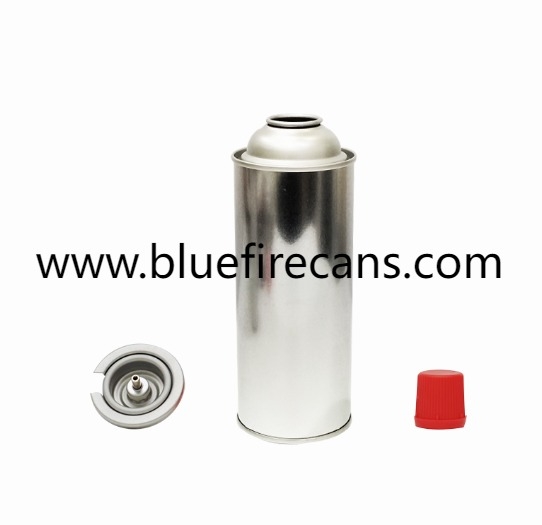
If you pack a small stove for a weekend trip, the Bluefire Butane Gas Cartridge sitting at the back of your gear may carry a friendly number printed on its label that feels reassuring. That tidy temperature rating suggests the can will behave predictably when you need a hot meal or a warming drink. The problem is that those numbers are shorthand for a complex lab test, not a literal guarantee for how your fuel will behave in the field. That gap between printed rating and real world performance is exactly why the headline claim in this piece matters to anyone who cooks outdoors or stocks up on portable fuel.
Labels compress science into a phrase. Manufacturers test fuel under controlled conditions and then publish a nominal temperature guideline. In practice, fuel blends, the proportion of different hydrocarbons inside the can, how the can was stored, the stove design, and small changes in atmospheric pressure all conspire to change outcomes. Field guides and manufacturer technical notes make the same point in plain language: vapor pressure drops as temperatures fall, and what boiled off in the lab may hesitate to do so at your campsite. That is why a label alone should not be your single basis for choosing fuel.
Beyond the chemistry, marketing plays a role. A tidy rating is easier to print and easier to compare than a nuanced description of blend ratios and testing protocols. Some consumer conversations online reveal that blends marketed for everyday use may be made with one blend that performs well at moderate temperatures but struggles when the thermometer slides. Independent guidance from outdoor authorities recommends looking for canisters formulated to handle lower temperatures or adopting equipment and habits that help your stove extract fuel reliably when it is cold.
There is a practical side to this that matters right now. As conversations about safe and resilient outdoor recreation trend across social platforms, people are sharing stories about stalled stoves during sudden cold snaps and trips disrupted by fuel problems. Those stories are a reminder that a printed limit is not a promise. Many experienced users now treat fuel selection as part of trip planning, matching fuel blends to destination conditions and carrying simple backups for peace of mind. Field reports and experienced user forums highlight a small set of mitigation strategies to reduce risk.
What can you do without buying a new system or carrying bulky tanks? Several low friction habits make a big difference. Store canisters inside your pack until you need them so they do not lose heat to the night air. When you use them, warm the canister gently in your hands or under your jacket for a minute before connecting it to the stove. If your stove supports an inverted liquid feed mode, learn how to use that safely from its manual and only if appropriate. These steps address the same underlying problem the ratings try to capture namely that the pressure inside the canister is temperature dependent and usable fuel requires vaporization at the stove. Practical discussions and experienced user guides cover these ideas and explain their limits.
If you want to shift from coping to choosing, look beyond a single temperature number and toward manufacturing information and quality signals. A company that publishes clear manufacturing details about compatibility and testing is more likely to be straightforward about what to expect in various conditions. That is why product pages that describe compatibility with mainstream camping stoves and emphasize production inspection resonate with users who rely on predictable performance. When a brand describes manufacturing processes and quality control, you gain context rather than a single figure to guess at.
This matters for anyone who wants hot food and safe operation rather than a gamble. A label can be a useful shorthand, but a better habit is to read a bit deeper, pick fuel suited to the conditions you expect, and adopt a couple of simple handling practices. For promotional clarity, if you are evaluating products, consider cartridges that state compatibility with mainstream stoves and offer clear factory inspection claims. The small extra attention at purchase time and the couple of minutes you invest in warm up and storage often translate to a trouble free meal in the field rather than a cold scramble.
If you care about reliability relative to what you see on a label, treat temperature ratings as a starting point rather than a stop. Make gear choices with an eye to blends and compatibility, practice safe handling habits, and keep a modest backup plan when you travel into places where conditions can change on a dime. For those comparing options now, check product pages and factory notes to move from a single printed rating to a fuller understanding of how a canister will behave where you actually use it. The manufacturer site below offers product detail and compatibility notes that help translate a label into a decision you can trust. https://www.bluefirecans.com/ .
 Turkish
 English
 Arabic
 French
 Spanish
 Portuguese
 Deutsch
 Dutch
Dutch
 Italiano
 Russian
 Romaian
 Portuguese (Brazil)
 Greek
Greek
