


 Ban & Monetization Policy
 MyLiveRoom Rewards Program Rules & Eligibility
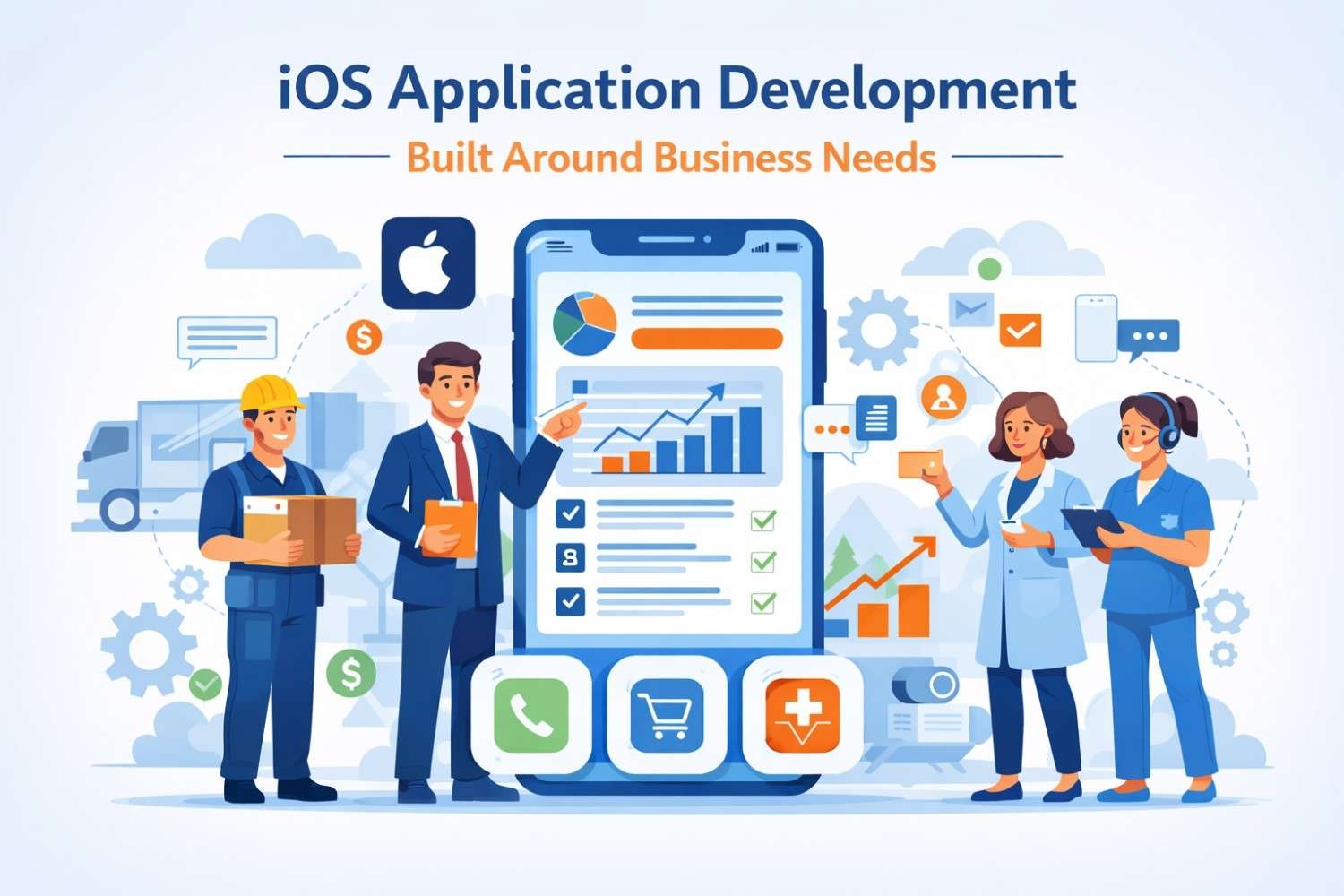
iOS Application Development Built Around Business Needs
Introduction
Great software is rarely about features alone it’s about fit. In the world of mobile products, success often hinges on how closely an application mirrors real business needs rather than abstract technical ambitions. iOS platforms, in particular, reward intentional design, disciplined execution, and a sharp understanding of user behavior. Too many apps fail not because of poor code, but because they solve the wrong problem. This post explores how iOS application development becomes truly valuable when business strategy leads the conversation—and technology follows (not the other way around).
Why Business-First Thinking Changes Everything
Technology without context is just expensive experimentation. Business-first iOS development flips the usual script by starting with objectives, constraints, and measurable outcomes. Revenue models, operational workflows, compliance rules, and customer expectations all shape architectural decisions. When those factors are ignored, teams end up rebuilding what should have been clear from day one. A strategy-driven approach keeps timelines realistic and features purposeful. The result is software that supports growth instead of becoming technical debt dressed up as innovation.
Understanding the Real Problem Before Writing Code
Every successful app begins with uncomfortable questions. What process is broken? Where is money being lost? Which users are underserved? These answers rarely appear in a technical brief—they emerge from stakeholder interviews, workflow audits, and user observation. Skipping this step leads to polished apps nobody actually needs. Strong discovery phases translate vague ideas into clear product requirements. By the time development starts, uncertainty has already been reduced, saving both budget and credibility down the line.
Translating Business Goals into iOS Architecture
Business priorities quietly dictate technical structure. Scalability concerns influence backend choices. Security requirements shape authentication flows. Monetization strategies affect UI decisions more than most teams expect. In iOS app development, architecture is never neutral—it either supports business goals or resists them. Thoughtful planning ensures the codebase can evolve as the company evolves. This alignment avoids painful rewrites when the app succeeds (which, ironically, is when poorly planned apps tend to collapse).
User Experience as a Business Lever
Design is not decoration—it’s leverage. On iOS, users expect clarity, speed, and restraint. Interfaces that respect platform conventions reduce friction and improve retention, which directly impacts revenue and brand trust. Business-driven UX focuses on guiding users toward meaningful actions rather than showing off animations. A well-designed flow quietly answers questions before they’re asked. When experience aligns with intent, conversion rates improve without additional marketing spend—a detail executives tend to appreciate.
Performance, Reliability, and Trust
An app that crashes is not just inconvenient—it’s reputational damage. Performance issues erode confidence faster than almost any design flaw. Businesses relying on iOS products must prioritize reliability as a core requirement, not a post-launch fix. Efficient memory management, optimized APIs, and thoughtful offline handling all contribute to perceived quality. Users rarely praise stability, but they absolutely punish its absence. Trust, once lost, is expensive to recover.
Security and Compliance Are Business Decisions
Security is often framed as a technical obligation, but it’s fundamentally a business risk calculation. Data breaches carry legal, financial, and reputational consequences. iOS offers strong native security features, but they must be implemented with intent. Encryption standards, access controls, and data storage policies should reflect regulatory requirements and customer expectations. Treating security as a checkbox invites problems. Treating it as strategy builds confidence with partners, users, and investors alike.
Customization Over One-Size-Fits-All Solutions
Off-the-shelf solutions promise speed but often deliver compromise. Businesses with unique workflows or competitive advantages benefit from Custom Software Development that mirrors how work actually gets done. Tailored iOS applications eliminate unnecessary steps and reduce user frustration. Customization also future-proofs products by allowing features to evolve alongside strategy. While initial investment may be higher, long-term efficiency and differentiation usually justify the choice—especially in crowded markets.
Collaboration Between Stakeholders and Developers
Misalignment thrives in silence. Successful projects depend on continuous dialogue between decision-makers and technical teams. When assumptions go unchallenged, costly surprises follow. Clear communication ensures priorities remain visible and trade-offs are intentional. Experienced iOS Developers understand how to translate business language into technical execution—and back again. This shared understanding reduces rework and builds momentum. Collaboration is not a soft skill; it’s a measurable driver of delivery speed and product quality.
Measuring Success Beyond Downloads
Downloads are vanity metrics without context. Business-aligned apps define success through engagement, retention, revenue contribution, or operational efficiency. Analytics frameworks should be planned early, not bolted on later. iOS applications offer rich insights when instrumented correctly. These data points inform iteration and validate assumptions. Decisions backed by evidence outperform gut instinct every time. Measurement turns software from a static product into a continuously improving asset.
Scalability That Supports Growth
Growth exposes weaknesses. An app designed only for current usage patterns will struggle when demand increases. Scalability planning considers user growth, data volume, and feature expansion from the outset. iOS ecosystems integrate tightly with cloud services, enabling flexible scaling when architected correctly. Planning for growth does not mean overengineering—it means avoiding dead ends. Businesses benefit from systems that expand gracefully instead of collapsing under success.
The Role of a Strategic Development Partner
Choosing a Mobile Application Development Company is less about cost and more about alignment. Strategic partners challenge assumptions, flag risks early, and connect technical choices to business outcomes. Order-takers build what’s asked; partners build what’s needed. Experience across industries adds perspective that internal teams may lack. The right collaboration transforms development from a transactional service into a competitive advantage.
Avoiding Common Business-Technology Disconnects
Many projects fail quietly. Features launch, budgets close, and results disappoint. Common culprits include unclear ownership, shifting goals, and misinterpreted requirements. These issues are rarely technical at their core. Structured planning, documented decisions, and regular checkpoints keep teams aligned. Addressing disconnects early prevents frustration later. Successful iOS products tend to look effortless—but that effort is simply well-hidden discipline.
A Quick Observation from the Field
A recurring pattern emerges across projects: the most successful apps are rarely the most complex. One healthcare client once reduced a five-step workflow to two—and adoption tripled within weeks. No groundbreaking technology was involved. The improvement came from listening closely to users and respecting their time. Business insight, not technical novelty, delivered results. That lesson tends to repeat itself with impressive consistency.
Future-Proofing iOS Applications
Technology evolves quickly, but principles endure. Modular architecture, clean code practices, and documentation reduce long-term risk. iOS updates arrive annually, and apps must adapt without disruption. Future-proofing is less about predicting trends and more about maintaining flexibility. Businesses that plan for change experience less friction and lower maintenance costs. Adaptability becomes a silent competitive edge.
When Strategy and Execution Finally Align
Alignment feels obvious in hindsight. Teams move faster. Decisions feel lighter. Features make sense. When business goals guide iOS development, execution becomes focused instead of frantic. This harmony reduces waste and improves morale. Products ship with confidence because purpose is clear. Alignment is not accidental—it’s designed, revisited, and protected throughout the lifecycle.
Conclusion
iOS application development reaches its full potential when rooted in real business needs. Strategy clarifies priorities. Insight shapes design. Discipline sustains performance. Apps built this way don’t just function—they contribute. In a market crowded with software that looks impressive but delivers little, alignment becomes the differentiator. Technology changes, platforms evolve, but one truth remains: software succeeds when it serves the business, not the ego.
FAQs
What makes business-driven iOS development different?
It starts with objectives and workflows, ensuring every feature supports measurable outcomes.
How often should business goals be revisited during development?
Regular checkpoints help maintain alignment as priorities evolve.
Is custom iOS development always necessary?
Not always, but unique processes often benefit from tailored solutions.
How long does strategic iOS planning take?
Discovery typically takes weeks, saving months of rework later.
Can existing apps be realigned with business goals?
Yes, through audits, analytics, and iterative redesign.
 Russian
 English
 Arabic
 French
 Spanish
 Portuguese
 Deutsch
 Turkish
 Dutch
Dutch
 Italiano
 Romaian
 Portuguese (Brazil)
 Greek
Greek
