


 Ban & Monetization Policy
 MyLiveRoom Rewards Program Rules & Eligibility
Hard Facing Electrodes: The Ultimate Solution for Industrial Wear Protection
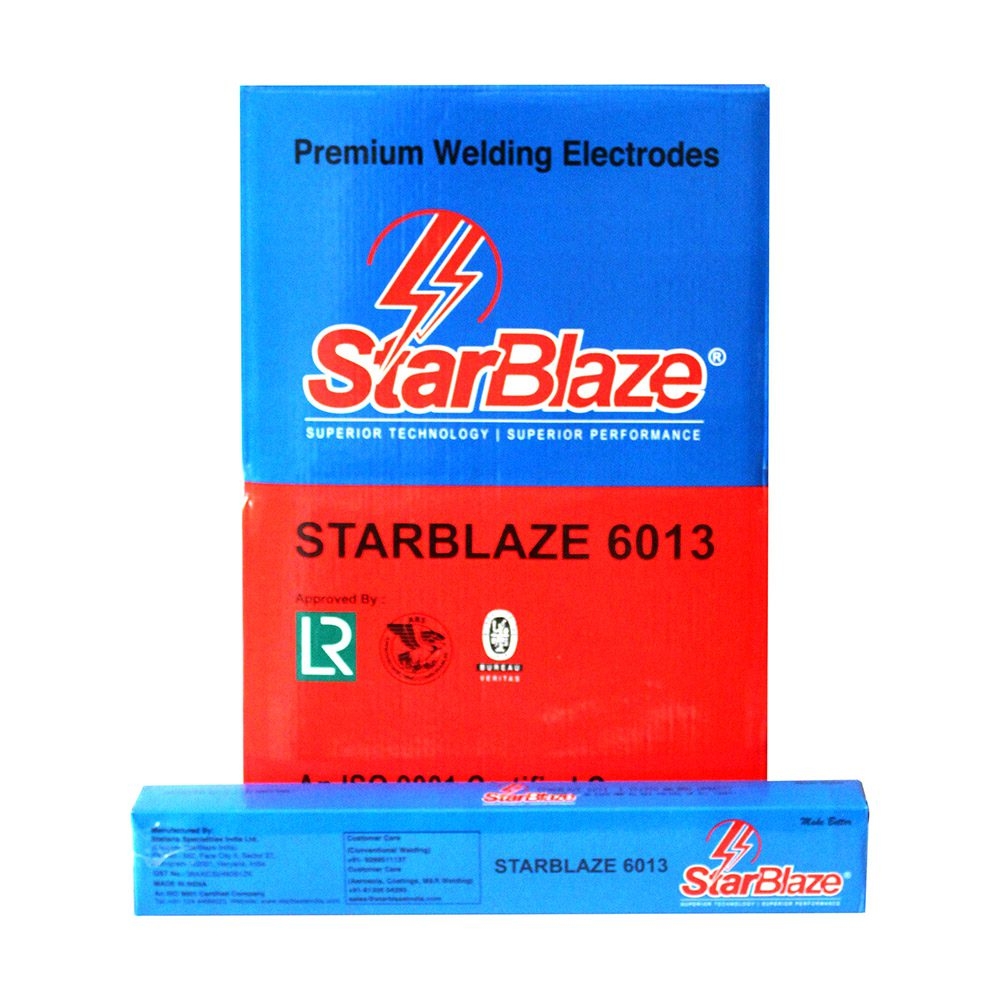
In heavy industrial environments, machinery and components are constantly exposed to extreme conditions such as abrasion, impact, heat, and corrosion. These factors lead to rapid wear, frequent breakdowns, and increased maintenance costs. Hard Facing Electrodes are designed to overcome these challenges by providing a durable, wear-resistant surface that significantly enhances component life.
What Are Hard Facing Electrodes?
Hard Facing Electrodes are specialized welding consumables used to deposit a hard alloy layer on metal surfaces that experience continuous wear. Unlike standard welding electrodes used only for joining metals, hard facing electrodes are applied to protect, rebuild, and strengthen existing components. They are widely used for maintenance and repair across multiple heavy industries.
The hard facing process involves depositing high-alloy materials enriched with elements such as chromium, manganese, tungsten, and carbon. These elements improve hardness, toughness, and resistance to wear, allowing components to perform efficiently under demanding operating conditions.
Key Benefits of Hard Facing Electrodes
One of the major advantages of Hard Facing Electrodes is extended equipment lifespan. Components such as crusher jaws, rollers, gears, shafts, valves, and earth-moving equipment are exposed to continuous friction and impact. Hard facing these parts reduces wear, minimizes failures, and lowers replacement frequency.
Another benefit is cost efficiency. By restoring worn-out components instead of replacing them, industries can significantly reduce downtime and maintenance expenses. Hard facing also improves machine reliability, leading to uninterrupted production cycles.
Types of Wear Addressed by Hard Facing
Hard Facing Electrodes are available in different grades to handle specific wear conditions. For abrasive wear caused by minerals, sand, or cement, high-chromium electrodes offer excellent resistance. For impact and shock-loading conditions, manganese-based electrodes provide superior toughness and crack resistance. Specialized alloy electrodes are also available for applications involving heat and corrosion.
Selecting the right electrode based on operating conditions is essential to achieve optimal performance and durability.
Best Practices for Application
Proper surface preparation is critical before applying Hard Facing Electrodes. The base metal should be cleaned thoroughly to remove rust, oil, and contaminants. In certain cases, preheating is recommended to prevent cracking and ensure proper bonding. Using correct welding parameters and techniques helps achieve a uniform and long-lasting weld deposit.
Industrial Applications of Hard Facing Electrodes
Industries such as mining, cement, steel, power generation, construction, and heavy fabrication rely heavily on Hard Facing Electrodes. These electrodes play a vital role in improving productivity, reducing downtime, and maintaining operational efficiency in harsh industrial environments.
Conclusion
In modern industrial operations, durability and performance are critical for success. Hard Facing Electrodes provide a reliable solution for protecting valuable equipment from wear and damage. With the right selection and proper application, they help extend service life, reduce costs, and improve overall operational efficiency, making them an essential part of industrial maintenance strategies.
 Romaian
 English
 Arabic
 French
 Spanish
 Portuguese
 Deutsch
 Turkish
 Dutch
Dutch
 Italiano
 Russian
 Portuguese (Brazil)
 Greek
Greek
