


 Ban & Monetization Policy
 MyLiveRoom Rewards Program Rules & Eligibility
When Pool Water Smells Off
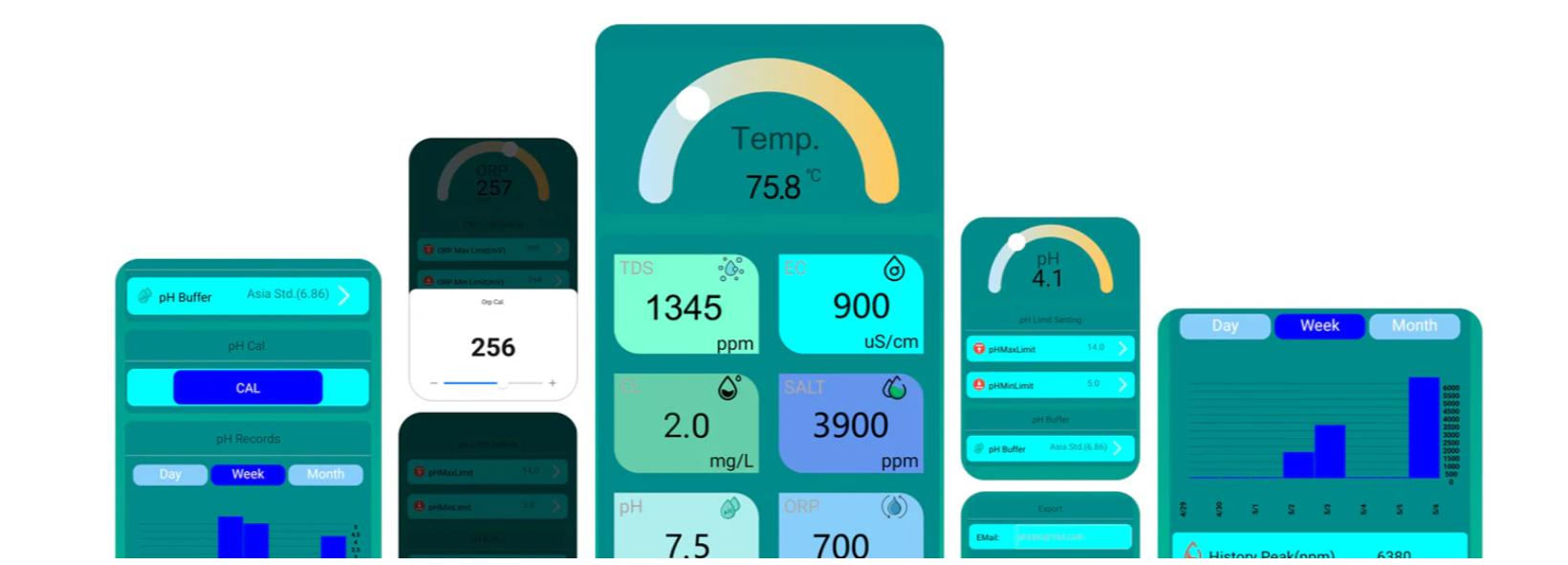
A pool is expected to have a clean, faint scent. When that smell becomes sharp or unfamiliar, it tends to unsettle people. Many assume the water has been overloaded with chemicals. In practice, unusual pool smells usually come from what the water has absorbed over time. Swimmers introduce sweat, lotions, hair products, and everyday residue. Chlorine reacts with these substances as part of its job. The result is not always invisible. Odor is often the first sign that the balance has shifted.
What Is Actually Causing the Smell
Fresh chlorine has very little smell on its own. The potent smell most people notice comes from chloramines. These form when chlorine binds with nitrogen-based compounds from sweat and other organic matter. The problem is that chloramines are less effective at cleaning and tend to hang around in the water.
Poor circulation allows them to build up in certain areas of the pool. Indoor pools can exacerbate this situation, as limited airflow traps the smell near the surface. Other odors may suggest different issues. A musty smell can indicate there's algae growth. A sulfur-like smell may point toward bacteria or decaying debris. Each smell directly reflects a specific condition rather than some sort of general problem.
Why Paying Attention Matters
Understanding pool smells helps avoid overcorrection. Adding more chlorine without testing can increase irritation without solving the cause. When chloramines increase, swimmers may notice stinging eyes or dry skin. Addressing the imbalance makes the water feel calmer and more comfortable.
Equipment also benefits. Pumps, filters, and liners last longer when chemical levels remain steady instead of swinging back and forth. Clear water with a mild scent also affects how people feel about using the pool. It creates quiet confidence rather than drawing attention to the chemistry behind it.
A Steadier Way to Read the Water
A stinky pool isn’t broken. It’s sending a signal—communicating with its users. A smell could be an indicator of circulation problems, saturation rates, and chemical reactions already underway. Testing the water day by day, proper filter use, and ventilation management address these problems quickly.
After the chemical balances are once again achieved, the smell goes away. Nothing dramatic was done to correct the chemical imbalance. What we’re left with then is water that just works. A great swimming pool just works.
For more information, visit https://www.yewhick.com/collections/swimming-pools
 French
 English
 Arabic
 Spanish
 Portuguese
 Deutsch
 Turkish
 Dutch
Dutch
 Italiano
 Russian
 Romaian
 Portuguese (Brazil)
 Greek
Greek
