


 Ban & Monetization Policy
 MyLiveRoom Rewards Program Rules & Eligibility
Behind the Scenes: Pilot and ATC Communication
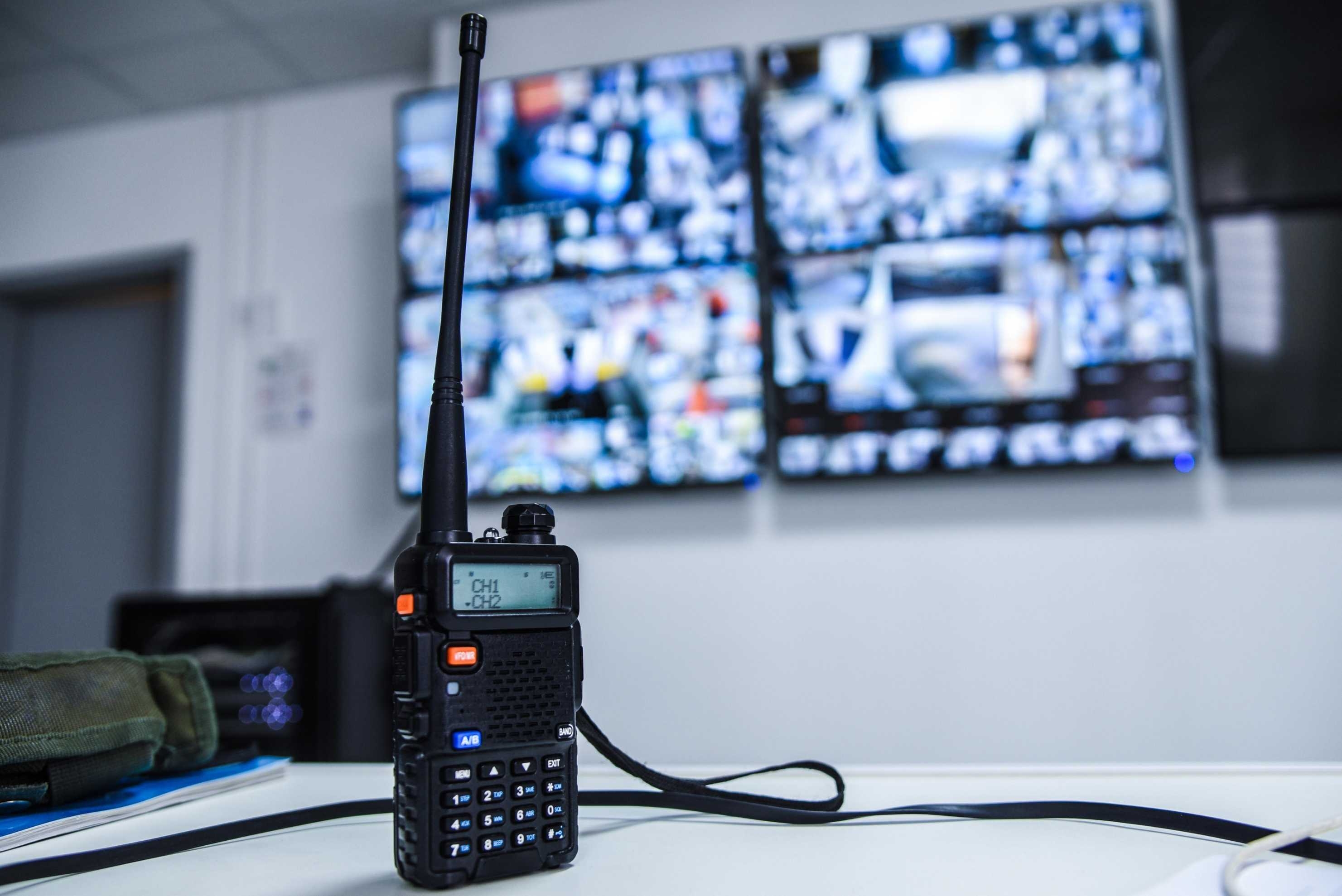
To an outsider, the dialogue between a pilot and an Air Traffic Controller (ATC) can sound like a cryptic, rushed code. It is a rapid-fire exchange of numbers, letters, and specialized phrases that seems almost unintelligible. Yet, this highly structured conversation is the invisible force that keeps millions of flights operating safely every day. It is the human element that guides the complex, high-speed ballet of modern air travel.
This communication is the nervous system of the sky, transmitting vital instructions that prevent collisions, maintain order, and ensure efficiency. While technology has advanced dramatically, the core of this interaction remains a simple conversation between two professionals.
This article takes you behind the scenes of pilot and ATC communication. We will break down the language they use, explore the technology that carries their voices, and examine the critical infrastructure required to ensure this conversation never, ever fails.
The Workhorse Technology: VHF Radio
The primary technology carrying these vital conversations is Very High Frequency (VHF) radio. Operating in a specific "airband" from 118.000 to 136.975 MHz, this system has been the backbone of aviation communication for decades due to its unique properties.
VHF radio waves travel in a straight line, a characteristic known as "line-of-sight." This is a feature, not a bug. It means a controller's transmission is confined to a specific geographic area, preventing it from interfering with another controller on the same frequency hundreds of miles away. As an aircraft flies at high altitude, its line-of-sight to ground antennas extends for hundreds of miles, providing excellent coverage over land.
The use of vhf in aviation is partitioned by function. An aircraft will change frequencies many times during a single flight:
- Clearance Delivery: Before pushing back from the gate, the pilot gets their flight plan clearance.
- Ground Control: Manages all movement on the airport taxiways.
- Tower Control: Issues takeoff and landing clearances.
- Departure/Approach: Manages aircraft in the busy airspace immediately around an airport.
- En-route Control: Manages aircraft during the cruise phase of flight, handing them off from one sector to the next.
This structured handoff process ensures that a pilot is always talking to the right controller for their phase of flight.
The Language of the Sky: Phonetics and Phraseology
The first thing one notices about ATC communication is the unique language. This is not casual conversation; it is a standardized, global phraseology designed to eliminate ambiguity. A misunderstanding over the radio can have catastrophic consequences, so clarity is paramount.
The Phonetic Alphabet
When pilots and controllers need to spell out a waypoint, taxiway, or aircraft registration, they use the ICAO phonetic alphabet (Alpha, Bravo, Charlie, etc.). This ensures that letters that sound similar, like "B" and "P" or "M" and "N," are not confused, even over a crackly radio transmission. An aircraft with the tail number N123BP would identify itself as "November One Two Three Bravo Papa."
Standardized Phraseology
Every instruction has a specific, pre-defined format. A controller clearing a flight for takeoff will say, "Cleared for takeoff runway two-seven," not "You can go now." This standardization reduces the cognitive load on pilots and controllers, who know exactly what to expect.
A critical part of this is the "read-back." When a pilot receives an instruction involving a heading, altitude, or runway, they must repeat it back to the controller verbatim. This confirms that the message was received and understood correctly. If the read-back is wrong, the controller immediately corrects it.
The Rules of Engagement: Radio Etiquette
Communicating effectively over a shared frequency requires strict discipline. There is no room for "ums," "ahs," or idle chatter.
Listen Before You Speak
Before transmitting, a pilot or controller listens for a few seconds to ensure they are not interrupting another conversation. Transmitting at the same time as someone else, known as "stepping on" them, garbles both messages.
Think Before You Speak
Pilots and controllers formulate their entire message before they press the push-to-talk button. This ensures the transmission is concise and contains all necessary information, such as who they are, where they are, and what they need. A typical call sounds like this: "Denver Tower, United 747, holding short of runway 25, ready for departure."
The Importance of Brevity
On a busy frequency, dozens of aircraft are vying for airtime. Each transmission must be as short as possible to keep the channel open for others. This is why standardized phraseology is so crucial—it conveys maximum information with minimum words.
The Foundation: Engineering for Reliability
This constant dialogue is only possible because of a robust and resilient ground infrastructure. A failure in the communication system is not an option. A loss of radio contact can force an airport to reduce its landing rate dramatically, causing a cascade of delays across the globe.
Ensuring this reliability is a major engineering challenge, particularly in regions with harsh environmental conditions that can degrade electronic equipment. Transmitters, receivers, and antennas must be protected from heat, humidity, dust, and power fluctuations.
The world-class airport engineering Qatar has implemented at its major international hubs provides a powerful example of building for resilience. In a desert climate, standard electronics would quickly fail. To guarantee uninterrupted communication, their approach includes:
- Climate-Hardened Shelters: Critical radio equipment is housed in environmentally controlled buildings, maintaining a stable temperature and humidity to protect sensitive components.
- Redundant Power: Systems are connected to uninterruptible power supplies (UPS) and have backup generators that can take over instantly during a grid failure.
- Strategic Antenna Placement: Engineers use advanced modeling to place antennas in locations that provide complete coverage of the airfield, eliminating "dead spots" behind buildings or hangars.
This level of engineering ensures that the lifeline between pilot and controller is always available, regardless of the conditions on the ground.
Beyond Voice: The Future with Data Link
While VHF voice remains the primary tool for tactical, time-critical instructions, the system is reaching its capacity limits in busy airspace. The future involves supplementing voice with digital data links.
Controller-Pilot Data Link Communications (CPDLC) allows controllers to send routine instructions, such as frequency changes or altitude adjustments, as text messages directly to the aircraft's flight computer. The pilot can review the instruction and accept it with a single button press. This reduces the amount of chatter on the voice channels, freeing them up for more urgent commands. It also eliminates errors from misheard instructions.
However, even as data links become more common, the human voice over the radio will remain the ultimate safety net. It is the fastest and most effective way to convey urgency and resolve complex, unexpected situations in real time.
Conclusion
The quiet, professional conversation between pilots and controllers is the unsung hero of aviation safety. It is a system built on standardized language, disciplined etiquette, and reliable technology. Every instruction given and every read-back confirmed is another layer of safety, another successful step in a journey.
Behind every smooth flight is this invisible dialogue, a constant stream of information that keeps the skies orderly and safe. It is a testament to the power of clear communication and the robust engineering that ensures those voices are always heard.
 Deutsch
 English
 Arabic
 French
 Spanish
 Portuguese
 Turkish
 Dutch
Dutch
 Italiano
 Russian
 Romaian
 Portuguese (Brazil)
 Greek
Greek
