


 Ban & Monetization Policy
 MyLiveRoom Rewards Program Rules & Eligibility
Automotive Cubing Fixtures
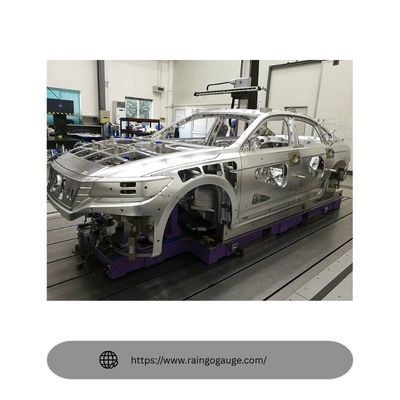
Precision Cubing Fixtures for Automotive Body Parts
Precision cubing fixtures play a critical role in the automotive manufacturing industry, especially in the inspection and validation of automotive body parts. As vehicle designs become more complex and tolerances tighter, manufacturers rely on precision cubing fixtures to ensure dimensional accuracy, consistency, and overall quality throughout the production process.
What Are Precision Cubing Fixtures?
Precision cubing fixtures are highly accurate inspection tools used to measure and verify the geometry of automotive body parts. These fixtures replicate the vehicle’s datum structure and provide a stable reference for checking critical dimensions, alignment, and fitment. They are commonly used during prototype validation, pre-production trials, and ongoing quality control.
Cubing fixtures are typically designed to hold parts such as body panels, doors, hoods, fenders, underbody structures, and welded assemblies in a repeatable and controlled position. This allows manufacturers to compare actual components against CAD data and engineering specifications.
Importance in Automotive Body Manufacturing
Automotive body parts must meet strict dimensional and geometric requirements to ensure proper assembly, safety, and aesthetics. Even small deviations can lead to fitment issues, increased noise and vibration, or reduced structural integrity.
Precision cubing fixtures help manufacturers Detect dimensional deviations early in the process Validate tooling and welding accuracy Ensure proper mating of body panels Reduce rework and scrap Maintain consistent quality across high-volume production By using precision cubing fixtures, automotive manufacturers can avoid costly downstream problems and ensure smooth assembly operations.
Key Features of Precision Cubing Fixtures
Precision cubing fixtures for automotive body parts are engineered with accuracy and durability in mind. Common features include High-precision datum points aligned with vehicle coordinate systems Rigid base structures to minimize deflection Adjustable locating pins and clamps for flexibility Modular construction for ease of modification and reuse Compatibility with CMM and laser scanning systems These features allow precise measurement of complex geometries and ensure repeatable inspection results.
Types of Cubing Fixtures Used in Automotive Industry
Different types of precision cubing fixtures are used depending on the application and inspection requirements:Checking Fixtures – Used to verify part dimensions and tolerances
Framing Fixtures – Used for validating large body-in-white assemblies
Weld Cubing Fixtures – Used to inspect welded structures and joints
Assembly Cubing Fixtures – Used to check fit and alignment of mating parts
Each type is designed to meet specific quality and validation needs within automotive body manufacturing.
Materials and Manufacturing Accuracy
Precision cubing fixtures are typically manufactured using materials such as aluminum, steel, or cast iron, depending on accuracy requirements and part size. CNC machining and precision grinding are commonly used to achieve tight tolerances.
Surface treatments and corrosion-resistant coatings are often applied to extend fixture life and maintain dimensional stability over time. High manufacturing accuracy ensures that measurement errors are minimized during inspection.
Integration with Modern Measurement Technologies
Modern precision cubing fixtures are designed to work seamlessly with advanced inspection technologies. Coordinate measuring machines, laser trackers, and 3D scanners are frequently used alongside cubing fixtures to collect accurate measurement data.
This integration allows real-time comparison with CAD models, faster inspection cycles, and improved traceability of quality data. Digital measurement methods also support continuous improvement initiatives in automotive manufacturing.
Benefits of Precision Cubing Fixtures
Using precision cubing fixtures for automotive body parts offers several advantages:Improved dimensional accurac Faster inspection and validatioReduced production defect Enhanced process control
Lower overall manufacturing costs These benefits contribute to higher vehicle quality, improved customer satisfaction, and stronger brand reputation.
Applications in Automotive Body Parts
Precision cubing fixtures are widely used for inspecting Body panels and closures Body-in-white assemblie Chassis and underbody structures Welded and bonded components Prototype and production partsTheir versatility makes them essential tools across all stages of automotive body development.
Conclusion
Precision cubing fixtures for automotive body parts are indispensable in modern automotive manufacturing. They ensure dimensional accuracy, support quality control, and help manufacturers meet stringent industry standards. As vehicle designs evolve and production demands increase, precision cubing fixtures will continue to play a vital role in delivering high-quality, reliable automotive body components.
 Deutsch
 English
 Arabic
 French
 Spanish
 Portuguese
 Turkish
 Dutch
Dutch
 Italiano
 Russian
 Romaian
 Portuguese (Brazil)
 Greek
Greek
