


 Ban & Monetization Policy
 MyLiveRoom Rewards Program Rules & Eligibility
Health and Safety Standards for Commercial Cooking Area Cleaning
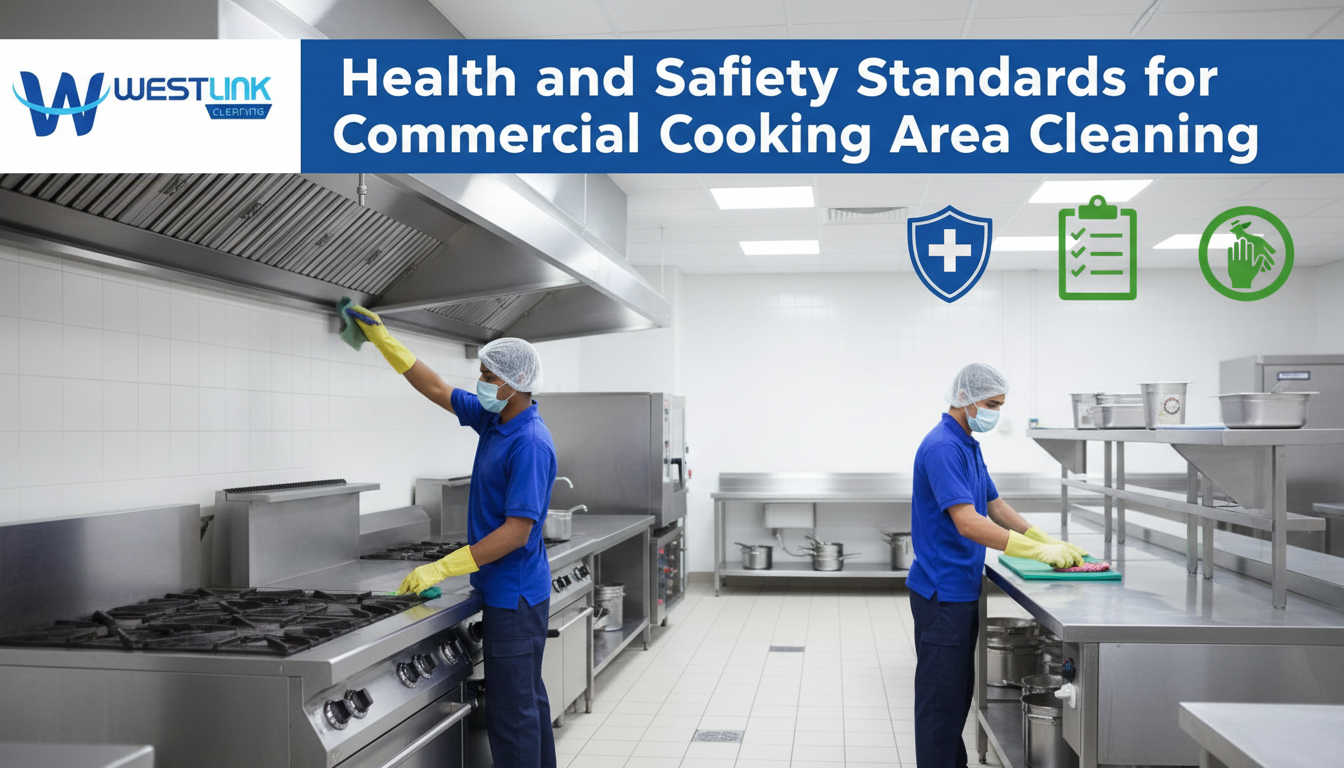
Health and Safety Standards for Commercial Cooking Area Cleaning
In a food business, health and safety are very important and cannot be ignored. Commercial kitchens deal with high temperatures, sharp knives, raw food, and busy staff moving around constantly. These conditions can become dangerous if the kitchen is not cleaned properly. Dirt, grease, and bacteria can build up on surfaces and equipment, increasing the risk of accidents or food contamination. Proper cleaning helps control these risks and keeps the kitchen safe for both staff and customers.
Commercial cooking area cleaning is key to following health and safety rules. Regular deep cleaning ensures that cooking surfaces, equipment, and storage areas stay hygienic and free from harmful germs. It also reduces fire hazards and prevents accidents caused by slippery floors or dirty tools. By maintaining a clean and safe kitchen, business owners can protect their staff, serve safe food, and run their operations smoothly without interruptions.
Understanding Health and Safety Standards in Commercial Kitchens
Health and safety standards are rules designed to protect customers, staff, and the business itself. In commercial cooking areas, these standards focus on cleanliness, sanitation, equipment safety, and personal hygiene.
These rules are usually enforced by health departments and workplace safety authorities. They are not created to make life difficult for business owners. Instead, they help prevent food contamination, injuries, and costly accidents.
When cleaning follows these standards, the kitchen becomes a safer and more controlled environment.
Why Cleaning Is a Core Part of Kitchen Safety
Many people think cleaning is only about hygiene, but it is also about safety. Grease on floors causes slips. Dirty equipment can overheat or malfunction. Food residue attracts pests, which create health risks.
For example, a fryer that is not cleaned regularly may develop grease buildup underneath. This increases the chance of fire. Proper cleaning removes that risk.
In simple terms, cleaning reduces danger. That is why it is a core part of safety standards.
Food Safety and Contamination Control
One of the biggest health risks in commercial kitchens is food contamination.
Preventing Cross-Contamination
Cross-contamination happens when bacteria from raw food spread to cooked or ready-to-eat food. This often occurs through dirty surfaces, utensils, or hands.
For example, using the same cutting board for raw chicken and vegetables without proper cleaning can spread harmful bacteria. Cleaning and sanitizing between tasks stops this from happening.
Health standards require strict separation and cleaning to protect customers.
Cleaning Food Contact Surfaces
Food contact surfaces include prep tables, cutting boards, knives, and containers. These must be cleaned and sanitized regularly.
Inspectors expect surfaces to be free from visible dirt and invisible bacteria. Proper sanitizing kills germs that washing alone cannot remove.
Clean surfaces are the first line of defense against foodborne illness.
Employee Health and Personal Hygiene Standards
A clean kitchen also depends on clean employees.
Handwashing Requirements
Health standards require staff to wash hands frequently. This includes after handling raw food, using the restroom, touching trash, or cleaning.
Handwashing sinks must be accessible, stocked with soap, and never blocked. Cleaning staff must also wash hands after handling chemicals or waste.
Proper handwashing reduces the spread of bacteria throughout the kitchen.
Clean Uniforms and Protective Gear
Employees should wear clean uniforms, hair restraints, and gloves where required. Dirty clothing can carry germs into food preparation areas.
For example, an employee wiping hands on a dirty apron can contaminate food surfaces. Clean attire supports both hygiene and professionalism.
Floor Safety and Slip Prevention
Kitchen floors are one of the most common sources of workplace injuries.
Daily Floor Cleaning Standards
Floors must be swept and mopped daily to remove food debris, grease, and spills. Greasy floors are slippery and dangerous.
Using proper degreasers helps remove residue that water alone cannot handle. Warning signs should be used when floors are wet.
Clean floors protect staff from falls and injuries.
Drain and Moisture Control
Standing water near drains creates slip hazards and encourages bacteria growth. Drains must be cleaned regularly to prevent clogs and odors.
Health and safety standards require floors to remain dry and well-maintained.
Equipment Cleaning and Operational Safety
Kitchen equipment must be clean to operate safely.
Cleaning Cooking Equipment
Stoves, grills, ovens, and fryers generate heat and grease. If not cleaned, grease buildup can lead to fires or uneven heating.
For example, a dirty oven fan may overheat and fail. Regular cleaning keeps equipment working correctly and safely.
Equipment should always be turned off and cooled before cleaning.
Small Equipment and Tools
Small tools like slicers, mixers, and blenders must be disassembled and cleaned properly. Food particles left inside equipment can cause contamination or mechanical problems.
Health standards require these tools to be cleaned after use and stored safely.
Safe Use of Cleaning Chemicals
Cleaning chemicals are helpful but can be dangerous if misused.
Using Food-Safe Cleaning Products
Only approved, food-safe cleaners should be used on food contact surfaces. Strong chemicals can leave harmful residue if not used correctly.
For example, using a bathroom cleaner on a prep table is unsafe and against regulations. Correct product use protects food and staff.
Chemical Storage and Labeling
Chemicals must be stored away from food and clearly labeled. Mixing chemicals or using the wrong concentration can cause burns or breathing problems.
Staff should be trained to understand chemical safety instructions.
Waste Management and Pest Prevention
Waste control is a key health and safety concern.
Proper Trash Handling
Trash should be removed regularly and stored in sealed containers. Overflowing trash attracts pests and creates health risks.
Bins should be cleaned and sanitized to prevent bacteria buildup.
Preventing Pest Infestations
Pests are attracted to food residue and waste. Regular cleaning removes their food sources.
Health standards require kitchens to be free from signs of pests. Cleanliness is the best prevention method.
Ventilation and Air Quality Standards
Air quality affects both health and comfort.
Cleaning Exhaust Systems
Exhaust hoods and filters remove smoke, steam, and grease from the air. When dirty, they stop working properly.
Grease-filled filters increase fire risk and reduce airflow. Regular cleaning supports fire safety and employee comfort.
Reducing Smoke and Heat Buildup
Clean ventilation systems keep temperatures stable and air breathable. This reduces fatigue and improves working conditions.
Good air quality is part of workplace safety standards.
Storage Area Cleaning and Safety
Storage areas must meet cleanliness standards.
Dry Storage Safety
Dry storage shelves should be clean, organized, and off the floor. Spills and dust should be removed regularly.
Improper storage can lead to contamination and accidents.
Cold Storage Safety
Refrigerators and freezers must be clean and kept at safe temperatures. Dirty seals or shelves can affect performance.
Clean storage areas protect food quality and staff safety.
Training Staff on Health and Safety Cleaning Practices
Training is essential for maintaining standards.
Clear Cleaning Instructions
Staff should know what to clean, how to clean it, and how often. Written instructions help avoid confusion.
Training ensures cleaning is done correctly, not rushed.
Ongoing Supervision and Checks
Managers should regularly check cleaning practices. Correcting mistakes early prevents safety issues.
Consistency builds strong habits.
Creating a Health and Safety Cleaning Schedule
A schedule helps maintain standards.
Daily, Weekly, and Monthly Tasks
Breaking tasks into time-based categories makes cleaning manageable. Daily tasks focus on safety, while weekly and monthly tasks prevent buildup.
A schedule ensures no area is ignored.
Assigning Responsibility
Each task should have a responsible person. This creates accountability and clarity.
Clear roles improve compliance.
Common Health and Safety Cleaning Mistakes
Some mistakes are common in busy kitchens.
Rushing through cleaning, reusing dirty clothes, and ignoring hidden areas are frequent problems. These mistakes increase risk over time.
Avoiding shortcuts protects staff and customers.
How Proper Cleaning Reduces Workplace Injuries
Clean kitchens are safer kitchens.
Less grease means fewer slips. Clean equipment reduces burns and cuts. Organized spaces reduce collisions.
Safety improves when cleaning is done consistently.
Preparing for Health and Safety Inspections
Inspections focus on daily habits, not last-minute efforts.
Owners should walk through the kitchen regularly and address issues immediately. Clean kitchens pass inspections more easily.
Preparation reduces stress and disruption.
Long-Term Benefits of Following Health and Safety Standards
Following standards protects your business.
It reduces legal risk, improves staff morale, and builds customer trust. Over time, it saves money and supports growth.
Clean and safe kitchens are more efficient and reliable.
Conclusion
Health and safety standards exist to protect everyone involved in a food business. When cleaning is done correctly and consistently, risks are reduced and operations run smoothly. By focusing on strong professional kitchen safety practices, business owners can create a safer workplace, meet regulations with confidence, and build a reputation based on trust and responsibility.
Frequently Asked Questions (FAQs)
Why is cleaning important for kitchen safety?
Because dirt, grease, and bacteria increase the risk of accidents, fires, and food contamination.
How often should commercial cooking areas be cleaned?
Daily cleaning is required, with deeper cleaning done weekly and monthly.
Are cleaning chemicals dangerous?
They can be misused. Proper training and correct products keep staff safe.
Who is responsible for health and safety cleaning?
All staff share responsibility, but owners and managers must supervise and enforce standards.
Does proper cleaning really reduce inspections issues?
Yes. Consistent cleaning helps kitchens meet health and safety requirements naturally.
 Greek
Greek
 English
 Arabic
 French
 Spanish
 Portuguese
 Deutsch
 Turkish
 Dutch
Dutch
 Italiano
 Russian
 Romaian
 Portuguese (Brazil)
