


 Ban & Monetization Policy
 MyLiveRoom Rewards Program Rules & Eligibility
Cotton, Linen, or Viscose: Best Fabrics for Beach Wear Garmenting in Egypt
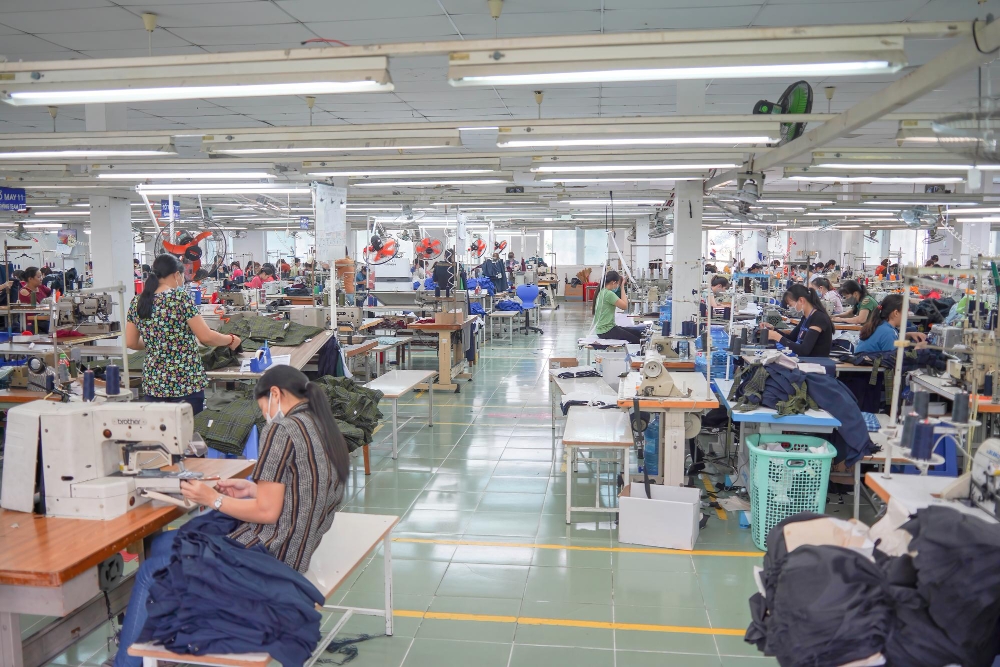
Egypt’s stunning coastlines, from the Red Sea to the Mediterranean, demand specific wardrobe choices. The climate is hot, often humid, and intensely sunny. When designing or selecting clothes for these environments, fabric choice is not just about aesthetics; it is about survival and comfort.
Choosing the right material determines whether a garment feels breathable or suffocating. For fashion brands and retailers involved in Beach Wear Garmenting, understanding the properties of cotton, linen, and viscose is essential. This guide breaks down these three popular woven fabrics to help you make informed decisions for your next collection.
Cotton: The Reliable Classic
Cotton remains the most popular natural fiber in the world for good reason. It is soft, absorbent, and durable. For beachwear, it offers a familiar comfort that many consumers prefer.
Breathability and Absorption
Cotton fibers are hollow, which allows air to pass through easily. This breathability prevents heat from getting trapped against the body. Additionally, cotton absorbs moisture well—up to 27 times its own weight in water. In a hot Egyptian climate, this means the fabric wicks sweat away from the skin, keeping the wearer cool.
Durability and Care
Beachwear faces harsh conditions: salt water, sand, and strong sunlight. Cotton holds up well against these elements. It is machine washable and actually becomes stronger when wet, making it easy to care for after a long day at the beach.
Best Uses in Beachwear
Cotton works best for:
-
T-shirts and Tank Tops: Essential basics for layering.
-
Casual Shorts: Durable enough for sitting on sand or rocks.
-
Cover-ups: Lightweight cotton voiles offer sun protection without overheating.
Linen: The Premium Choice for Heat
If there is one fabric synonymous with luxury summer style, it is linen. Made from the flax plant, linen is structurally different from cotton and offers superior performance in extreme heat.
Superior Airflow
Linen fibers are thicker and stiffer than cotton. This structure prevents the fabric from clinging to the skin, creating a natural ventilation system. Air circulates between the garment and the body, providing a cooling effect that few other fabrics can match.
Moisture Wicking and Drying
While cotton absorbs moisture, it can hold onto it. Linen absorbs moisture but releases it back into the air rapidly. This quick-drying property is crucial for Woven Fabric Garmenting intended for beach environments where getting wet is inevitable.
Texture and Style
Linen has a distinct texture and natural luster. It wrinkles easily, but in beachwear, these creases are often accepted as part of the relaxed, sophisticated aesthetic. It signals quality and is often the fabric of choice for high-end resort wear.
Best Uses in Beachwear
Linen excels in:
-
Button-down Shirts: A staple for evening dinners by the sea.
-
Wide-leg Trousers: Loose fits maximize airflow.
-
Tunics: offering elegant coverage over swimwear.
Viscose: The Versatile Alternative
Viscose (often called rayon) acts as a bridge between natural and synthetic fibers. It is a semi-synthetic material derived from wood pulp but processed with chemicals. It mimics the feel of silk or cotton at a lower price point.
Silk-like Feel and Drape
The primary advantage of viscose is its drape. It hangs beautifully on the body and feels incredibly soft against the skin. For fashion-forward beachwear designs that require fluidity and movement, viscose is often the top choice for a Clothing Manufacturer.
Breathability
Like cotton and linen, viscose is breathable because it originates from plant cellulose. It does not trap heat like fully synthetic polyester. However, it does not wick moisture as effectively as linen.
Limitations in Durability
Viscose loses strength when wet. This is a critical factor for beachwear. It requires gentler handling than cotton or linen. It is also more prone to mildew if left damp, so it must be dried thoroughly.
Best Uses in Beachwear
Viscose is ideal for:
-
Sarongs and Wraps: The fluid drape creates beautiful silhouettes.
-
Printed Dresses: Viscose holds dye exceptionally well, making it perfect for vibrant patterns.
-
Lightweight Jumpsuits: Offers comfort without bulk.
Comparison: Cotton vs. Linen vs. Viscose
To help you select the right material for your specific Beach Wear Garmenting needs, here is a direct comparison of how these fabrics perform in the Egyptian climate.
|
Feature |
Cotton |
Linen |
Viscose |
|
Breathability |
High |
Very High |
Moderate to High |
|
Moisture Wicking |
Good (can stay damp) |
Excellent (dries fast) |
Moderate (loses strength when wet) |
|
Texture/Feel |
Soft, natural |
Crisp, textured |
Silky, smooth |
|
Durability |
High |
High |
Low to Moderate |
|
Cost |
Low to Medium |
High |
Low to Medium |
|
Best For |
Casual, durable wear |
High-end, extreme heat |
Flowy, printed styles |
Selecting the Right Fabric for Your Collection
The "best" fabric depends entirely on the specific garment you are manufacturing and the target price point.
For Swimwear Cover-ups
Linen is the winner here. Its ability to dry quickly is unmatched. A wet swimsuit underneath a cotton dress can feel heavy and soggy, whereas linen manages the moisture effectively.
For Casual Day Wear
Cotton is the practical choice. For items like shorts and simple tees that will be washed frequently and subjected to sand and activity, cotton’s durability provides the best value.
For Evening Resort Wear
Viscose shines in this category. When the sun goes down and the humidity lingers, a flowy viscose maxi dress offers the right balance of cooling comfort and elegant style. It allows for intricate prints and bold colors that stand out in a resort setting.
Sourcing the Best Materials
Finding the right fabric is only step one. Partnering with a reliable Clothing Manufacturer or fabric supplier is step two.
Companies like Fabriclore Pvt Ltd have established themselves as leaders in this space. As a top Clothing & Manufacturing Company, they provide fashion brands with access to high-quality fabrics and manufacturing solutions. Whether you need customized printing on viscose or premium linen sourcing, working with an experienced supplier ensures your final product meets the demands of the market.
Final Thoughts
The Egyptian beach climate requires fabrics that perform under pressure. Cotton offers reliability, linen provides luxury cooling, and viscose delivers style and drape.
For brands focusing on Woven Fabric Garmenting, the choice comes down to the function of the garment. By matching the fabric properties to the end-use, you ensure that your customers stay comfortable and stylish, whether they are in Dahab, Hurghada, or the North Coast.
If you are ready to build a collection that stands out, prioritize material quality. Reach out to trusted suppliers like Fabriclore Pvt Ltd to secure fabrics that elevate your brand.
 Italiano
 English
 Arabic
 French
 Spanish
 Portuguese
 Deutsch
 Turkish
 Dutch
Dutch
 Russian
 Romaian
 Portuguese (Brazil)
 Greek
Greek
