


 Ban & Monetization Policy
 MyLiveRoom Rewards Program Rules & Eligibility
Is Bone Grafting the Hidden Key to a Successful Jaw Bone Implant?
Why Bone Even Matters More Than People Think
Let’s be real for a second. Most people don’t think about bone until someone tells them they don’t have enough of it. Teeth get all the attention, but underneath all of that is the jaw, and the jaw bone is doing the heavy lifting. When a tooth is lost, the bone underneath slowly shrinks. Quietly. No pain, no drama. That’s usually when a bone graft procedure enters the conversation, and suddenly things feel serious.
What surprises people is how fast this shift happens. One missing tooth can change the whole balance down there.
The Truth About Bone Loss in the Jaw
Here’s the short answer. Bone loss happens fast. Once a tooth is gone, the jaw bone implant you might want later suddenly becomes harder to place. The bone thins, height drops, density weakens. This isn’t rare, it’s normal biology doing its thing. Ignoring it doesn’t stop it, it just makes treatment more complicated down the road.
A lot of patients assume bone stays the same forever. It doesn’t, and the jaw is especially unforgiving.
What a Bone Graft Procedure Actually Is
A bone graft procedure isn’t some sci-fi medical experiment. It’s pretty straightforward when you strip away the jargon. Bone material is placed where bone has been lost, giving your body a framework to rebuild. Over time, your own bone grows into that space. It’s slow, yeah, but it works. That new bone becomes the foundation for a jaw bone implant later. Think of it like reinforcing a cracked wall before hanging something heavy. Skip that step, and problems show up later.
Why Jaw Bone Implants Depend on Strong Bone
Dental implants don’t float. They fuse. That fusion, called osseointegration, needs solid bone to grab onto. Without it, the implant can fail, shift, or never fully stabilize. That’s why surgeons push bone graft procedures before placing a jaw bone implant. It’s not upselling. It’s physics and biology teaming up against shortcuts. Weak bone leads to weak outcomes, no matter how good the implant itself is. Strength under the surface matters more than the visible tooth.
Timing Matters More Than People Expect
Some patients can place implants immediately. Others can’t. It depends on bone quality, infection, and how long the tooth has been missing. The longer you wait, the more bone disappears. A bone graft procedure early on can save months later. Truth is, delaying treatment usually costs more time, more money, and more frustration.
Waiting often turns a simple plan into a multi-step one. That’s where people start feeling overwhelmed.
The Healing Phase Nobody Talks About Enough
This part isn’t glamorous. Healing takes patience. Bone doesn’t regenerate overnight, no matter what ads say. Most grafts need several months to mature before supporting a jaw bone implant. You’ll feel mostly normal, but internally, real work is happening. Rushing this phase is one of the biggest mistakes people make. Cutting corners here risks undoing everything that was just done. Slow healing is still progress, even if it feels boring.

Is the Procedure Painful? Let’s Be Honest
Pain is subjective. That’s the honest answer. Most patients describe soreness, pressure, some swelling. Not unbearable. Modern anesthesia and sedation do their job. The discomfort is usually less than people fear, especially compared to tooth pain they’ve lived with before. A bone graft procedure sounds intense, but day-to-day recovery is usually manageable. Most people are back to normal routines faster than expected. Anxiety beforehand is often worse than the recovery itself.
Different Bones, Different Needs, Same Goal
Not all bone grafts are the same. Some come from donor material, some synthetic, some a mix. What matters is compatibility and stability. Your surgeon chooses based on your jaw structure and implant plan. The goal stays the same. Build enough strong bone to anchor a jaw bone implant that lasts. There’s no one-size-fits-all approach here. Custom planning is what separates good outcomes from great ones.
Long-Term Payoff Is Where It Really Shines
This is the part patients appreciate later. Bone grafting helps maintain facial structure, jaw strength, and bite alignment. Without it, sunken areas can form over time. Jaw bone implants supported by grafted bone tend to last longer and feel more natural. It’s not just about replacing teeth. It’s about preserving function.
Years down the line, patients are glad they didn’t skip this step. Stability shows up quietly, but it lasts.
Who Actually Needs Bone Grafting Before Implants
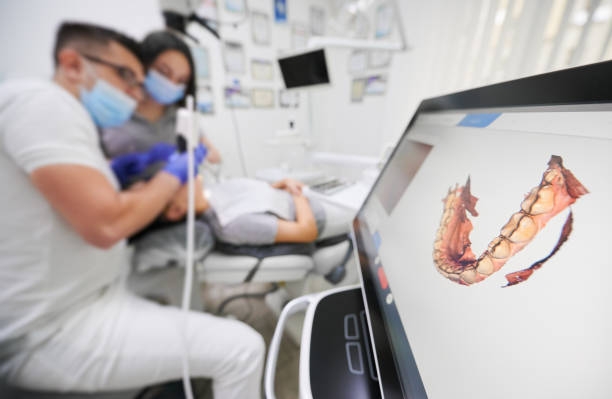
Not everyone. But many do. If you’ve had missing teeth for years, periodontal disease, trauma, or infection, chances are higher. Imaging like CBCT scans makes this clear fast. A bone graft procedure isn’t guesswork anymore. It’s planned, measured, and precise.
Clear imaging removes surprises during surgery. That alone makes the process smoother and safer.
Why Experience Matters With These Procedures
Bone work isn’t beginner dentistry. It requires surgical skill and judgment. Poor placement or rushed planning can compromise future implants. That’s why choosing the right surgical team matters. Jaw bone implant success often depends on what happens months before the implant is ever placed. Experienced hands know when to wait and when to proceed. That judgment can’t be rushed or automated.
The Bottom Line Before You Decide Anything
Here’s the blunt truth. Skipping bone grafting when you need it rarely ends well. It’s the foundation. Strong bone supports strong implants. If you’re considering a jaw bone implant, start by understanding your bone health first. Visit New York Oral & Facial Surgery to start the process the right way, with planning that actually respects long-term results. Good outcomes come from patience and proper steps. Shortcuts usually come back to bite you later.
FAQs About Bone Graft Procedure and Jaw Bone Implant
Is a bone graft procedure always needed before a jaw bone implant?
No, but numerous cases need it due to bone loss from missing teeth, infection, or goo complaint.
How long after bone grafting can implants be placed?
Generally three to six months, depending on mending and bone quality.
Can bone grafts fail?
Yes, however uncommon when done duly. Smoking, poor mending, and infection increase threat.
Does insurance cover bone graft procedures?
Occasionally incompletely. Coverage depends on your plan and medical necessity.
Are jaw bone implants endless?
With proper care and healthy bone support, they can last decades.
If you’re serious about restoring your smile and avoiding shortcuts that cost you later, visit New York Oral & Facial Surgery and get expert guidance from day one.
 Portuguese (Brazil)
 English
 Arabic
 French
 Spanish
 Portuguese
 Deutsch
 Turkish
 Dutch
Dutch
 Italiano
 Russian
 Romaian
 Greek
Greek
