


 Ban & Monetization Policy
 MyLiveRoom Rewards Program Rules & Eligibility
Why Food Production Management Software Isn’t Optional Anymore
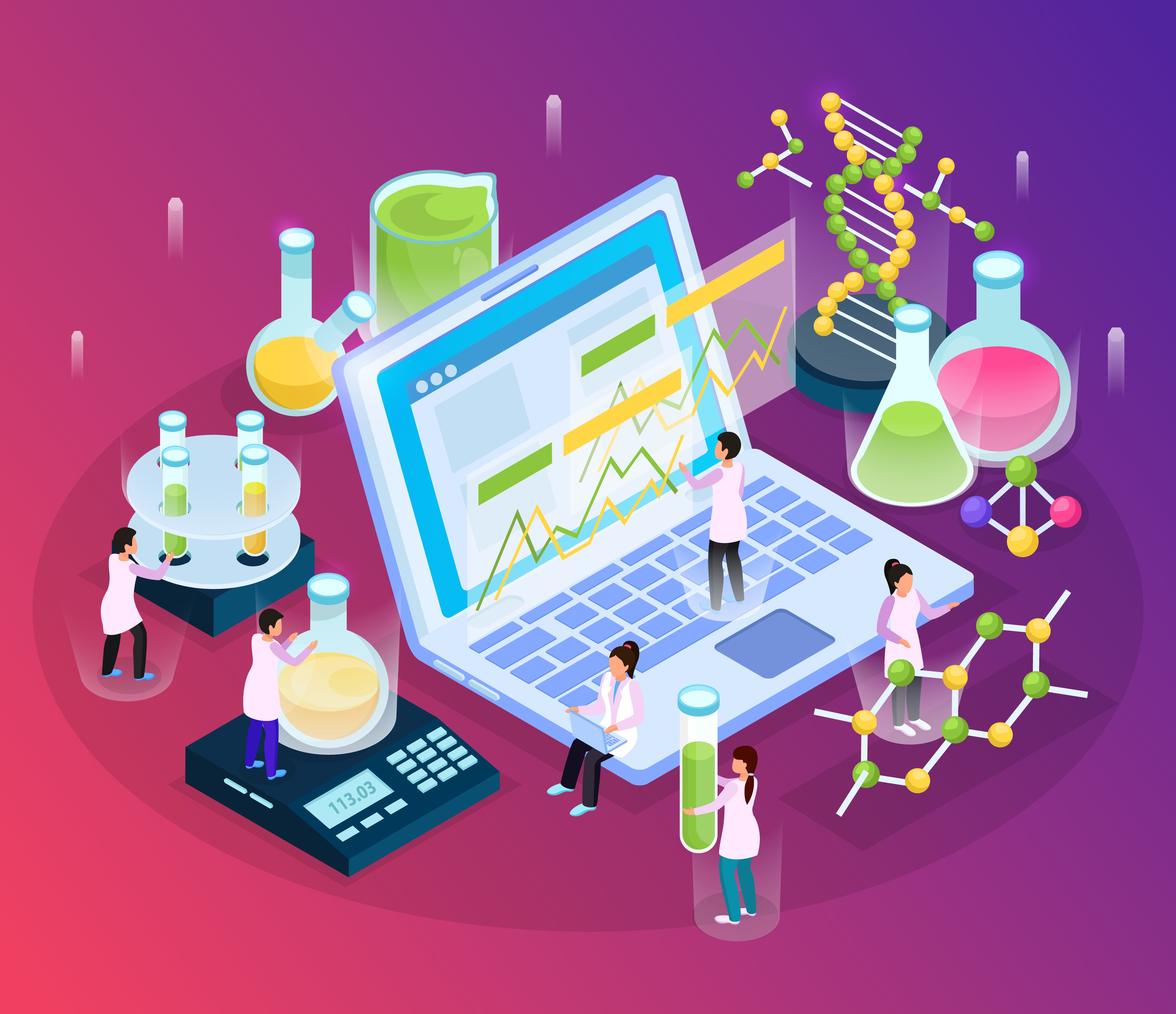
Most food businesses didn’t start with a tech stack in mind. They started with a recipe, a kitchen, a crew that cared. Then volume hits. Orders stack up. Compliance knocks on the door. Suddenly spreadsheets feel like duct tape on a leaky pipe. Food production management software shows up right around then, not as some shiny toy, but as a survival tool. It pulls planning, inventory, batch tracking, and quality checks into one place so you’re not guessing at yesterday’s numbers. You see what’s in the cooler, what’s expiring, what needs to be made today. It’s boring stuff. It’s also the stuff that keeps margins from bleeding out slowly.
The Real-World Mess It Helps Clean Up on the Floor
If you’ve ever chased a missing lot number at 6 a.m., you get it. Paper logs get smudged. Whiteboards lie. People forget. Food production management software gives you traceability without the drama. When something goes wrong—and it will—you can trace a batch back to a supplier in minutes, not hours. That’s the difference between a tight recall and a public mess. It also helps with scheduling that actually respects reality. Machines break. People call in sick. The system adjusts. Not perfectly, but better than guessing and hoping the day sorts itself out.
Where Life Sciences Software Development Fits the Puzzle
Here’s the part folks miss. A lot of the best food systems don’t come from “food tech” shops at all. They come from teams deep in life sciences software development. Those teams are used to regulation, audits, documentation, and data that has to be right or people get hurt. That mindset transfers well to food. You get better validation, tighter data integrity, and software that assumes someone will ask hard questions later. That matters when you’re dealing with allergens, shelf life, and compliance that changes depending on where you ship.
Data You Can Actually Trust (Most Days)
Data is cheap. Good data is rare. Food production management software earns its keep when the numbers line up with what’s happening on the floor. Yield tracking that reflects real waste, not what the spreadsheet wishes it was. Inventory counts that don’t magically reset because someone forgot to log a pallet. Over time, you start trusting the dashboard. Not blindly, but enough to make decisions without pulling three people off the line to double-check. That’s where margin hides. In small, boring wins, day after day.
Integration Without the Headache, Mostly
Nothing lives alone anymore. Your ERP wants to talk to procurement. Your QA tools want batch data. Sales wants forecasts. Good food production management software plugs into the stuff you already use, even if it’s a little clunky at first. When it’s built by teams with life sciences software development experience, the integration tends to be cleaner. They’ve done the messy work before. They expect legacy systems. They don’t flinch at weird data formats. You still need patience. But you won’t be rebuilding your whole stack just to get production under control.
Training Humans, Not Just Installing Software
Here’s the blunt part. Software doesn’t fix culture. People do. The best tools fail when the floor doesn’t buy in. Food production management software only works if operators actually use it. That means training that respects how people work, not just how the software wants to be used. Short sessions. Real examples. Let folks complain a little. It’s fine. Once they see fewer mistakes, fewer late nights chasing errors, adoption sticks. Slowly. Not overnight. But it sticks.
What to Look for Before You Sign Anything
Demos are always pretty. Real life is messy. Ask how the system handles recalls. Ask how long it takes to spin up a new line or recipe. Ask what breaks first when volume spikes. And ask who built the core. Vendors with roots in life sciences software development tend to have stronger bones in their platforms. Less flash. More substance. You want boring reliability here. Flash doesn’t help when a shipment is on hold and QA is breathing down your neck.
Conclusion: Quiet Tech That Keeps the Lights On
Food production management software isn’t about transformation in the marketing sense. It’s about not losing your footing when things get busy. It’s the quiet tech that keeps the lights on, keeps product moving, keeps mistakes from turning into disasters. Pair that with solid life sciences software development principles, and you get systems that hold up when pressure hits. Not perfect. Nothing is. But steady. And in food production, steady beats clever most days.
 Portuguese
 English
 Arabic
 French
 Spanish
 Deutsch
 Turkish
 Dutch
Dutch
 Italiano
 Russian
 Romaian
 Portuguese (Brazil)
 Greek
Greek
