


 Ban & Monetization Policy
 MyLiveRoom Rewards Program Rules & Eligibility
Beyond Buoyancy: The Fabric Behind Inflatable Boats
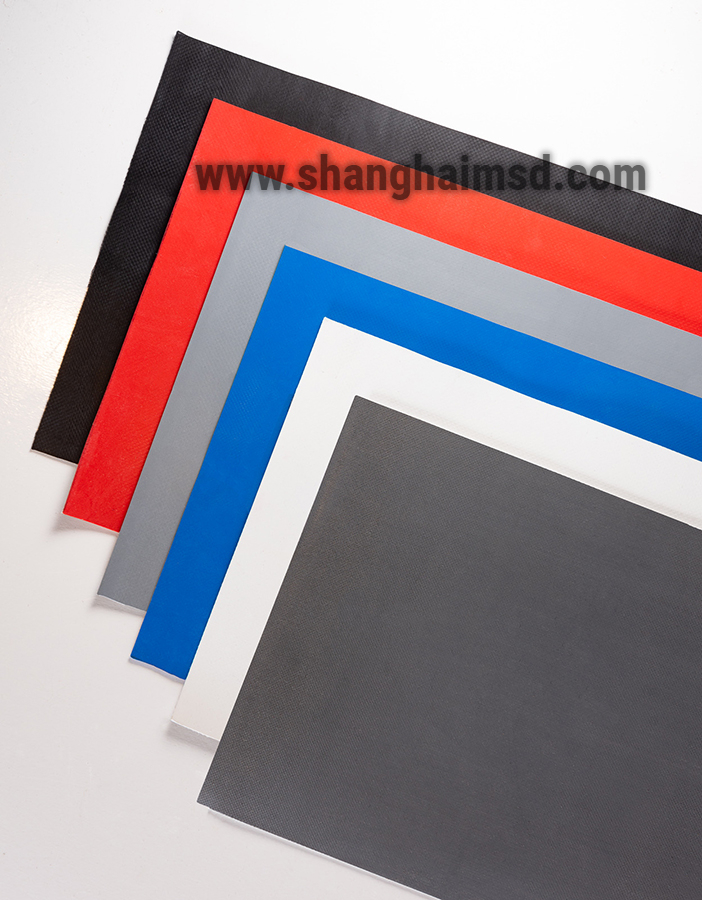
Inflatable Boat Fabric Manufacturers play a central role in the production of high-performance materials that keep inflatable watercraft safe, stable, and long-lasting. While the term highlights the manufacturing side, the real value comes from the fabrics themselves—engineered to meet the demands of recreational boating, rescue missions, and even military operations.
Understanding Inflatable Boat Fabric Types
Inflatable boat fabrics are specialized materials designed to withstand air pressure, water exposure, and physical abrasion. The two most commonly used materials in the industry are PVC-coated fabric and Hypalon (CSM)-coated fabric, each offering different benefits depending on the end use.
-
PVC-coated fabrics are lightweight, affordable, and easy to heat-weld, making them popular for leisure boats and entry-level applications. They offer good resistance to UV rays and chemicals, especially when enhanced with high-quality additives.
-
Hypalon/CSM-coated fabrics, on the other hand, provide superior resistance to weathering, extreme temperatures, and chemicals. Although more expensive, they are preferred for high-end and professional-grade inflatables that need to perform under harsh conditions.
The fabric base—usually a woven polyester or nylon—also plays a key role in determining the overall strength, flexibility, and tear resistance of the final product.
Performance Meets Practicality
Good inflatable boat fabric isn’t just about being waterproof—it needs to offer air-tightness, dimensional stability, abrasion resistance, and ease of bonding. These properties ensure that boats hold their shape, remain safe over long periods of use, and require minimal maintenance.
Manufacturers often customize fabrics based on the application. For example, a high-pressure inflatable floor may use drop stitch (double wall) fabric, while the boat’s side tubes require more flexible, durable PVC or Hypalon material. Factors like coating thickness, base fabric density (measured in deniers), and surface finish (matte vs. glossy) are all fine-tuned to suit different needs.
Innovations in Material Technology
As the marine industry evolves, so do the fabrics that support it. Recent innovations include TPU-coated fabrics, which offer excellent elasticity, chemical resistance, and environmental sustainability. TPU is especially valued for applications where flexibility and cold resistance are critical, such as in polar expedition boats.
Manufacturers are also focusing on eco-friendly coatings, reduced solvent use, and recyclable fabric options in response to growing environmental regulations and consumer demand for sustainable products.
In summary, Inflatable Boat Fabric Manufacturers are not just producing material—they’re shaping the performance and safety of inflatable vessels around the world. To explore premium-grade inflatable boat fabrics tailored for various marine applications, visit shanghaimsd.com.
 English
 Arabic
 French
 Spanish
 Portuguese
 Deutsch
 Turkish
 Dutch
Dutch
 Italiano
 Russian
 Romaian
 Portuguese (Brazil)
 Greek
Greek
