


 Ban & Monetization Policy
 MyLiveRoom Rewards Program Rules & Eligibility
Can You Pick the Right Motor?
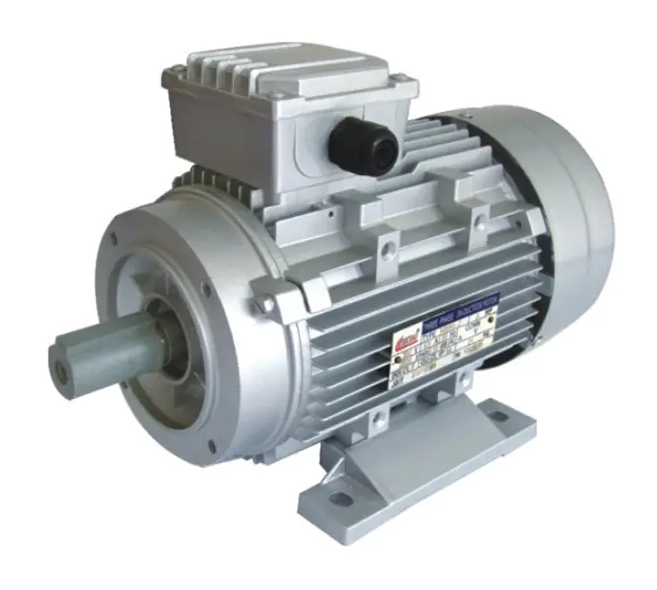
Selecting the right asynchronous electric motor for a particular application is a frequent topic in online communities, technical forums, and engineering blogs. Engineers ask questions that cover performance expectations, control options, environmental conditions, and long-term operation scenarios. Decisions on motor selection significantly impact system reliability and cost.
One core issue that surfaces in discussions is thermal management. Users often ask how operating temperature affects insulation health and motor lifespan. High temperatures accelerate insulation degradation, leading to increased failure risks. Choosing a motor with appropriate thermal ratings and suitable cooling provisions is essential, especially in continuous duty or harsh environments.
Another common question relates to control strategy compatibility. For some applications, simple on-off or fixed-speed operation is sufficient. But many industrial systems now use adjustable speed control via VFDs to improve energy efficiency and process control. Users compare how different motors respond to frequency changes and whether the selected drive system can provide the desired torque and speed performance.
Questions also arise about the very definition of “brushless” in relation to induction machines. In many threads, some users equate brushless asynchronous induction motors with the broader category of brushless electric machines because they lack physical brushes. This often leads to clarification: induction machines are brushless in that sense, but their electromagnetic behavior and control requirements differ from permanent-magnet brushless DC designs.
Forums also reveal that noise, vibration, and harmonic behavior are key considerations. Users frequently compare different rotor bar designs (angled vs straight) and their effects on operational noise or harmonic distortion under VFD control. These practical insights help engineers anticipate integration challenges in complex systems.
Finally, load matching and motor sizing are frequent topics. Unlike some motor types where speed is easily controlled electronically, speed in induction machines naturally depends on slip relative to the rotating field, so matching torque requirements to expected slip behavior helps ensure smooth performance and lower stresses on the electrical drive.
 Spanish
 English
 Arabic
 French
 Portuguese
 Deutsch
 Turkish
 Dutch
Dutch
 Italiano
 Russian
 Romaian
 Portuguese (Brazil)
 Greek
Greek
