


 Ban & Monetization Policy
 MyLiveRoom Rewards Program Rules & Eligibility
Why Are Veneer Doors Popular in Modern Construction?
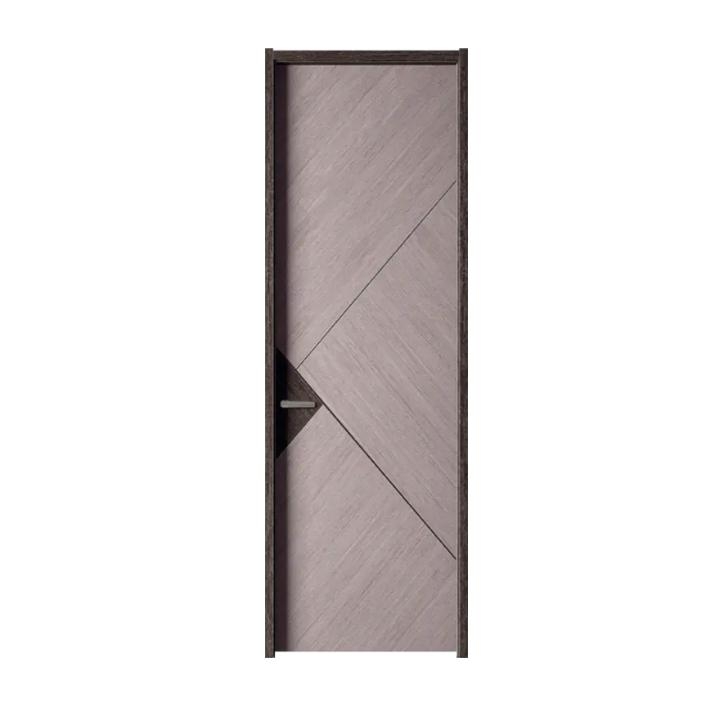
A Veneer Door is a type of door that combines the natural beauty of wood with the practicality of engineered construction. These doors are created by applying a thin layer of natural or engineered wood veneer over a solid or composite core, resulting in a visually appealing surface while maintaining structural stability. Veneer Doors are widely used in residential and commercial spaces due to their versatility, aesthetic qualities, and cost-effectiveness compared to solid wood doors.
One of the main advantages of a Veneer Door is its aesthetic appeal. The thin layer of wood veneer preserves the natural grain and texture of the wood, offering a warm and elegant look. This makes Veneer Doors suitable for a range of interior styles, from classic to contemporary. Additionally, the door can be finished with stains, paints, or clear coatings to complement the surrounding décor, providing flexibility in design without compromising on natural wood appearance.
Durability is another important feature of a Veneer Door. While solid wood doors can be heavy and prone to warping, Veneer Doors combine a stable core with the protective veneer layer, providing resistance to changes in humidity and temperature. The core material, often made from medium-density fiberboard (MDF) or plywood, adds strength while reducing the risk of cracks or splits. Regular maintenance, such as cleaning with a soft cloth and avoiding excessive moisture, helps extend the lifespan of a Veneer Door.
Veneer Doors also offer versatility in style and design. They are available in various panel configurations, such as flush, raised, or molded panels, which can be customized to suit different architectural preferences. The veneer surface allows for detailed patterns, inlays, or laminations, giving designers the ability to create unique doors that match both functional and decorative requirements. This flexibility makes Veneer Doors suitable for bedrooms, offices, conference rooms, and other interior spaces.
Ease of installation and maintenance are additional benefits of Veneer Doors. Due to their lighter weight compared to solid wood, these doors are easier to handle, transport, and install. The veneer finish also requires less intensive upkeep than solid wood, as minor scratches or blemishes can often be repaired with touch-up kits or refinishing. This practicality makes Veneer Doors an attractive option for both homeowners and commercial developers.
Environmental considerations are increasingly relevant when choosing a Veneer Door. Using a thin veneer layer over an engineered core reduces the demand for solid timber, conserving natural resources. Many manufacturers also source veneers from sustainably managed forests or use certified wood products, allowing for environmentally responsible door production. This approach provides an eco-friendly alternative to solid wood doors while maintaining visual appeal and functionality.
Veneer Doors are also adaptable to various hardware and fittings. They can accommodate standard handles, locks, hinges, and other door accessories without compromising structural integrity. This ensures compatibility with modern interior systems and security features, allowing for both decorative and practical solutions.
A Veneer Door combines natural beauty, durability, and versatility, making it a practical choice for residential and commercial interiors. Its stable core, customizable design, and ease of maintenance provide an appealing alternative to solid wood doors. By considering factors such as veneer quality, panel design, finish, and environmental impact, users can select a Veneer Door that meets both aesthetic and functional requirements while ensuring long-term performance.
 Turkish
 English
 Arabic
 French
 Spanish
 Portuguese
 Deutsch
 Dutch
Dutch
 Italiano
 Russian
 Romaian
 Portuguese (Brazil)
 Greek
Greek
