


 Ban & Monetization Policy
 MyLiveRoom Rewards Program Rules & Eligibility
The Evolution of Disposable Cups: From Plastic to Eco-Friendly Alternatives Eco-Conscious Drinking: Why Switching to Biodegradable Cups Matters
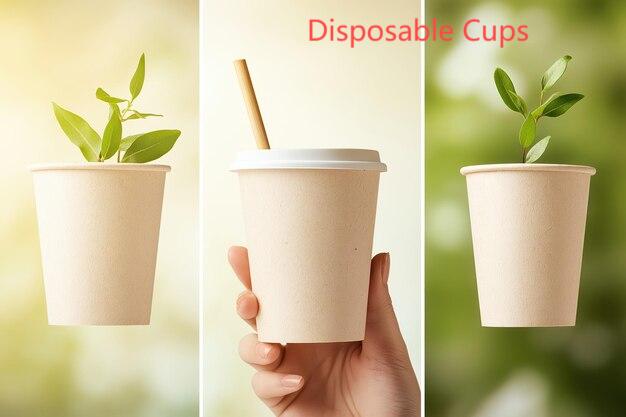
Disposable Cups have become a convenient solution for beverages, especially in fast-paced environments such as coffee shops, restaurants, and large events. These cups are made from various materials, including plastic, paper, and more recently, eco-friendly options like biodegradable and compostable materials. The widespread use of disposable cups, however, has raised concerns over environmental impact, as many of these cups are not easily recyclable or biodegradable, leading to increased waste in landfills. This challenge has prompted a significant shift towards more sustainable alternatives, addressing the need for eco-friendly disposable cups in various industries.
One of the most popular materials for disposable cups is paper. Paper cups are widely used because they are lightweight, cost-effective, and offer ease of branding through custom prints. They are often lined with a thin layer of plastic to prevent leaks, which complicates the recycling process. However, advancements in paper cup manufacturing have introduced cups that use plant-based coatings instead of plastic, making them compostable and more environmentally friendly. These paper cups, when disposed of properly, break down much faster than traditional plastic-lined cups, reducing the burden on landfills and decreasing environmental damage.
Another key development in the disposable cup industry is the rise of biodegradable plastic cups. Traditional plastic cups, made from petroleum-based materials, contribute significantly to plastic pollution. In response, biodegradable plastics are now being used to create disposable cups that decompose more quickly, reducing their environmental impact. These cups are often made from plant-based plastics such as PLA (polylactic acid), which is derived from renewable resources like corn or sugarcane. When disposed of in industrial composting facilities, these cups break down within a few months, making them a more eco-friendly choice than conventional plastic cups.
For those who prefer even more sustainable solutions, some disposable cups are now being produced from recycled materials. These cups are made from post-consumer recycled paper or plastic, helping to close the recycling loop and reduce the demand for new raw materials. The use of recycled content in disposable cups not only conserves resources but also contributes to the reduction of waste, making these cups an appealing option for environmentally conscious consumers and businesses alike.
Despite these innovations, the environmental challenges associated with disposable cups are far from resolved. A major hurdle remains the proper disposal of these cups, especially those made from mixed materials like paper with plastic linings. Many disposable cups end up in landfills because consumers often do not dispose of them properly, and recycling programs are not always equipped to handle them. As such, it is crucial for businesses and consumers to be mindful of their waste and explore options like cup recycling programs or encouraging the use of reusable cups.
In recent years, there has been a significant shift in consumer behavior, with many individuals now opting for reusable cups instead of disposable options. This trend has been supported by initiatives such as "Bring Your Own Cup" discounts and the rise of reusable cup programs. These programs aim to reduce the reliance on disposable cups, which in turn helps decrease waste and the associated environmental impact. However, for industries where disposable cups are still necessary, there is a growing movement towards the production and use of eco-friendly, sustainable alternatives.
As demand for more sustainable disposable cups grows, manufacturers are continuously innovating to provide better solutions. Newer materials, improved recycling processes, and consumer education about proper disposal methods are all crucial factors in reducing the environmental impact of disposable cups. By making the switch to biodegradable, compostable, or recycled options, businesses can play an important role in reducing waste and promoting environmental sustainability.For more information on eco-friendly disposable cups, visit sotonstraws.com .
 Portuguese (Brazil)
 English
 Arabic
 French
 Spanish
 Portuguese
 Deutsch
 Turkish
 Dutch
Dutch
 Italiano
 Russian
 Romaian
 Greek
Greek
