


 Ban & Monetization Policy
 MyLiveRoom Rewards Program Rules & Eligibility
Solar Panel Installation in Kerala: Complete 2026 Guide
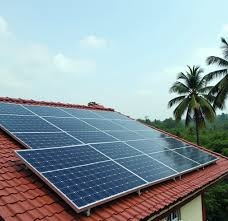
Kerala, the God’s Own Country, is rapidly embracing solar energy as a cost-efficient, sustainable alternative to conventional electricity. With strong year-round sunshine, rising power tariffs, and government incentives, installing solar panels in Kerala is now one of the smartest investments homeowners and businesses can make.
This Complete 2026 Guide covers everything you need to know—from benefits and eligibility to cost, government subsidies, installation process, and maintenance.
1. Why Choose Solar in Kerala?
Kerala’s climate and energy landscape make solar power especially attractive:
Abundant Sunlight Year-Round
Kerala receives consistent sunshine across seasons—ideal for solar energy generation.
Rising Electricity Costs
Power tariffs have increased steadily. Solar systems reduce or eliminate monthly bills.
Increasing Energy Independence
With decentralized solar generation, homes and businesses become less dependent on grid disruptions.
Eco-Friendly & Sustainable
Solar energy emits zero greenhouse gases, helping Kerala achieve its climate commitments.
Visit our website for the Best Solar Company in Kerala, For Solar power work.
2. How Solar Power Works: A Quick Overview
Solar photovoltaic (PV) systems convert sunlight into electricity through a set of key components:
- Solar Panels — Capture sunlight and produce direct current (DC).
- Inverter — Converts DC into usable alternating current (AC).
- Mounting Structure — Fixes panels on rooftops or grounds.
- Metering & Cabling — Connects system to load and grid (if applicable).
Net metering (available in Kerala) allows you to feed surplus power back to the grid and earn credits. This dramatically improves ROI.
3. Government Policies & Subsidies (2026)
The Indian government and Kerala state authorities continue to support solar adoption:
Central Subsidies
Under the Ministry of New and Renewable Energy (MNRE) schemes, residential solar installations up to a specified capacity often qualify for Central Financial Assistance (~20% subsidy). Subsidy values may vary based on system type and capacity.
Kerala State Incentives
State solar rebates are issued through agencies like the Kerala State Electricity Board (KSEB) and KERALA STATE ELECTRONICS DEVELOPMENT CORPORATION (KELTRON). These can include:
- Faster approvals via net-metering policy.
- Capital subsidies for rooftop solar systems.
- Priority interconnection support.
Tip: Always check the latest guidelines from MNRE and state solar portals as policies evolve annually.
4. Types of Solar Systems in Kerala
Choosing the right system depends on your energy goal:
Grid-Connected Solar
Most common for homes and businesses. Excess generation is credited via net metering.
Off-Grid Solar
Suitable for remote locations without reliable electricity. Requires battery storage.
Hybrid Solar
Combined grid + battery solution. Provides backup during grid outages.
5. Solar Installation Cost in Kerala (2026)
Costs vary by system capacity, brand, and installation complexity:
| System Capacity | Approx Cost (₹) | Application |
|---|---|---|
| 1 kW | ₹55,000 – ₹70,000 | Small homes |
| 3 kW | ₹1,50,000 – ₹2,10,000 | Medium usage |
| 5 kW | ₹2,50,000 – ₹3,20,000 | Larger homes/business |
| 10 kW+ | ₹5,00,000+ | Commercial |
Note: Prices fluctuate with global panel costs and inverter prices. Batteries (for off-grid/hybrid) add ₹40,000–₹1,20,000+, depending on capacity.
6. Choosing the Right Solar Company in Kerala
Selecting a reliable installer ensures long-term performance and warranty support. Here’s what to evaluate:
1. Brand & Warranty
- Solar Panel Warranty: 15–25 years performance warranty.
- Inverter Warranty: 5–10 years (extendable).
- Installation Warranty: Typically 1–5 years.
2. Certifications & Compliance
- BIS-certified panels.
- MNRE-approved components.
3. After-Sales Service
- Prompt maintenance and cleaning services.
- System monitoring support.
4. Experienced Installers
Ask for past project references within Kerala climate conditions (heavy humidity, monsoon resilience).
7. Installation Step-by-Step
Here’s a typical process from consultation to commissioning:
1. Site Assessment
Technicians survey rooftop orientation, shade, and load.
2. System Design
Panels & inverter sized to your energy needs.
3. Proposal and Quotation
Includes cost, expected savings, and payback period.
4. Permits & Net-Metering Application
Installer submits to KSEB/KELTRON.
5. Installation & Wiring
Mounting, panel placement, inverter setup, and safety grounding.
6. Inspection & Commissioning
KSEB inspects and enables net metering.
7. Handover
User training and system documentation provided.
Want to cut your electricity bills with solar panels in Kerala? Click here for Solar Company Kerala.
8. Solar Savings: Return on Investment (ROI)
Reduced Monthly Bills
Solar offsets a significant portion of your electricity usage.
Net Metering Credits
Excess power exported earns credits, reducing bills further.
Payback Period
Most residential systems in Kerala pay for themselves within 4–7 years, depending on consumption and system size.
9. Common Myths vs. Reality
| Myth | Reality |
|---|---|
| Solar doesn’t work in monsoon | While output dips, good systems still generate usable power even on cloudy days. |
| Solar is too expensive | Subsidies + savings typically yield positive ROI. |
| Roof damage risk | Professional installation uses proper mounting and waterproofing. |
10. Maintenance Tips
Solar systems are low-maintenance but regular care boosts performance:
✔ Quarterly panel cleaning (especially after dust or pollen season)
✔ Annual electrical inspection
✔ Monitoring system output via app or portal
✔ Ensure secure mounting and cable integrity
11. FAQs (Frequently Asked Questions)
How long do solar panels last?
Most quality panels last 25+ years with gradual performance decline.
Does Kerala have net metering?
Yes—net metering is supported, enabling credit for excess generation.
Do I need batteries?
Not for grid-connected systems—you can add batteries later if backup is needed.
Can I install on rented property?
Yes, with landlord permission. Net metering credits go to the meter owner.
If you want to know more information about Solar Panel Installation in Kerala? Visit here.
Final Takeaway: Is Solar Worth It in 2026?
Absolutely.
With Kerala’s solar-friendly policies, abundant sunshine, rising energy costs, and high return on investment, switching to solar is both eco-responsible and financially sound.
 Portuguese
 English
 Arabic
 French
 Spanish
 Deutsch
 Turkish
 Dutch
Dutch
 Italiano
 Russian
 Romaian
 Portuguese (Brazil)
 Greek
Greek
