


 Ban & Monetization Policy
 MyLiveRoom Rewards Program Rules & Eligibility
How to Reduce Token Development and Launch Costs

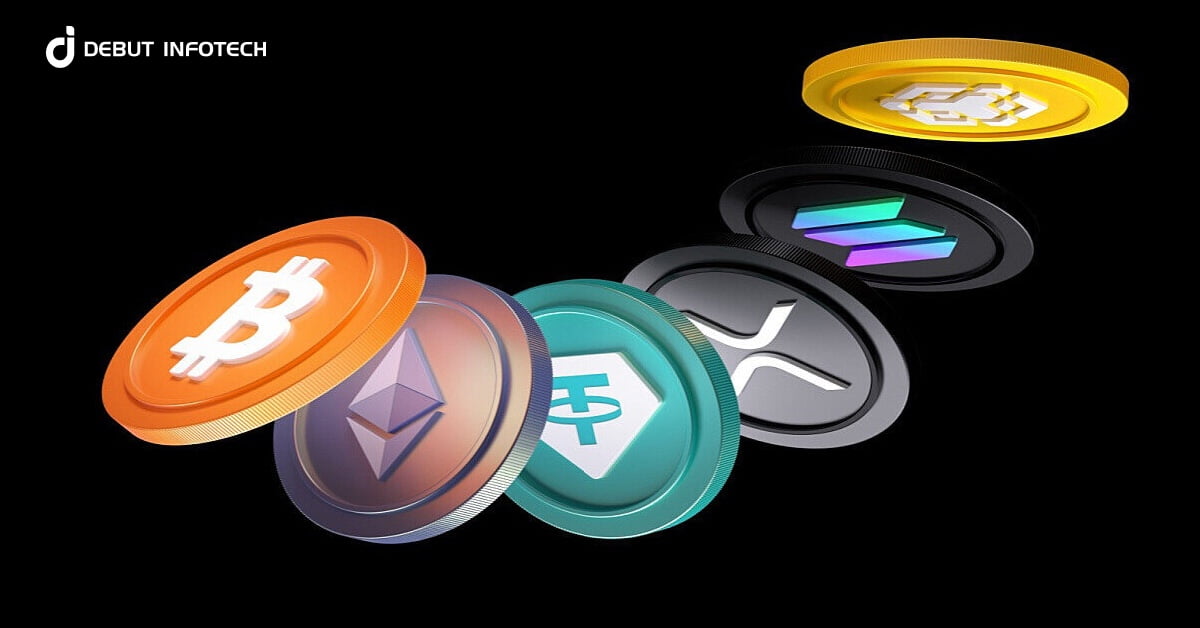

For many founders, especially early-stage startups, the challenge is not just building a token, but doing so efficiently without compromising security, compliance, or long-term sustainability. Poor cost planning can lead to bloated budgets, delayed launches, or even project failure. This is why understanding how to strategically reduce costs across token development and launch phases has become a critical business skill.
This article explores practical, research-backed ways to reduce token development and launch costs while preserving quality and credibility. Rather than offering shortcuts that introduce risk, it focuses on smart decisions, architectural efficiency, and working effectively with the right token development company and token development services.
Understanding Where Token Development Costs Come From
Before reducing costs, it is essential to understand what actually drives them. Token development is not a single task but a multi-stage process involving technical, economic, legal, and marketing components. Costs typically accumulate across smart contract development, tokenomics design, testing and audits, blockchain network fees, exchange or launchpad integration, and post-launch support.
Many projects overspend not because token development is inherently expensive, but because they make early decisions that increase complexity unnecessarily. Overengineering, unclear requirements, and last-minute changes often drive costs higher than planned. Cost reduction, therefore, starts with strategic clarity rather than aggressive budget cutting.
Start With a Clear Token Purpose and Scope
One of the most effective ways to reduce token development costs is to clearly define what the token is meant to do and what it is not meant to do before any code is written. Tokens with vague or overly ambitious use cases often require complex smart contracts, custom logic, and multiple revisions.
A well-scoped token typically falls into one or two clear categories: utility, governance, rewards, or access. Each additional function increases development, testing, and audit costs. By prioritizing essential features for launch and deferring advanced functionality to later phases, projects can significantly reduce initial expenses.
Successful teams often adopt a phased roadmap. They launch with a minimal, secure token design and expand functionality only after achieving product-market fit. This approach not only reduces upfront costs but also lowers risk during the most vulnerable stage of the project.
Choose the Right Blockchain Network Early
Blockchain selection has a direct impact on both development and launch costs. Some networks offer mature tooling and developer support but suffer from high transaction fees, while others provide lower costs but limited ecosystem support.
Choosing the wrong network can result in higher gas fees during token deployment, expensive testing environments, or the need for later migration. A cost-efficient strategy involves selecting a network that aligns with the project’s transaction volume, user base, and long-term scalability requirements.
Layer 2 solutions and alternative blockchains are increasingly popular for cost-conscious token launches. They often reduce deployment and transaction costs without sacrificing security. Experienced token development services help founders evaluate these trade-offs objectively instead of defaulting to the most popular option.
Use Proven Token Standards and Frameworks
Custom-built token contracts may sound appealing, but they are one of the fastest ways to inflate development and audit costs. Well-established token standards exist precisely to reduce complexity and risk. Leveraging these standards allows teams to reuse battle-tested code rather than reinventing core functionality.
Using standard frameworks also shortens audit cycles, as auditors are already familiar with common patterns. This translates directly into lower audit fees and faster time to market. Many successful projects differentiate themselves through tokenomics and product design, not by rewriting basic token logic.
A professional token development company will typically recommend standardized contracts as a default, customizing only what is truly necessary for the business model.
Optimize Tokenomics Before Development Begins
Tokenomics mistakes are one of the most expensive errors in token launches—not because they require more code, but because they often force redesigns after development has already started. Changing supply models, vesting schedules, or reward mechanisms mid-development can trigger additional coding, testing, and auditing cycles.
Investing time upfront in tokenomics modeling can significantly reduce downstream costs. This includes defining supply limits, emission schedules, allocation percentages, and incentive structures before implementation. Data-driven tokenomics design, informed by comparable projects and market behavior, reduces the likelihood of costly revisions.
In many cases, tokenomics consulting is far cheaper than rewriting contracts after deployment or dealing with market backlash from poorly designed incentives.
Reduce Costs Through Modular and Upgradeable Design
Another cost-saving strategy is modular contract architecture. Instead of building a monolithic smart contract that handles everything, developers can separate concerns into smaller, reusable components. This makes testing more efficient and reduces the scope of changes when updates are needed.
Upgradeable contracts, when implemented carefully, also reduce long-term costs. They allow teams to fix bugs or add features without redeploying entirely new contracts. While upgradeable designs may slightly increase initial complexity, they often save money over the lifecycle of the project.
However, upgradeability must be balanced with transparency and trust. Clear governance controls and documentation are essential to avoid undermining user confidence.
Be Strategic About Testing and Audits
Security is not an area where projects should cut corners, but it is an area where smart planning can reduce costs. Many teams make the mistake of seeking audits before their codebase is stable, leading to repeated audit rounds and unnecessary expenses.
A cost-efficient approach is to invest heavily in internal testing first. Thorough unit and integration testing reduces the number of issues auditors need to flag, making audits faster and less expensive. Well-documented code also shortens review time.
Some projects opt for a phased audit strategy, starting with a focused audit on core token contracts and expanding coverage as additional features are added. This aligns security spending with project maturity rather than front-loading all costs.
Avoid Overpaying for Launch and Listing Fees
Token launch and listing costs can vary widely depending on the chosen platform. Centralized exchange listings, for example, can be prohibitively expensive for early-stage projects, while decentralized launchpads and DEXs often provide more cost-effective alternatives.
For many projects, especially utility-driven tokens, launching on decentralized platforms provides sufficient liquidity and exposure without excessive fees. Strategic partnerships and community-driven launches can further reduce marketing and listing costs.
An experienced token development services provider can help founders assess which launch options deliver the best return on investment rather than chasing prestige listings prematurely.
Leverage Open-Source Tools and Community Resources
The Web3 ecosystem thrives on open-source collaboration. Many high-quality development tools, testing frameworks, and analytics platforms are freely available. Leveraging these resources reduces licensing costs and accelerates development.
Additionally, engaging with developer communities can uncover solutions to common challenges without resorting to expensive custom builds. Open-source does not mean insecure many of the most secure blockchain protocols rely heavily on community-reviewed code.
A knowledgeable token development company understands which tools are production-ready and which are experimental, helping teams avoid costly mistakes.
Work With the Right Token Development Partner
Perhaps the most overlooked cost factor is the choice of development partner. A cheap provider that lacks experience can end up costing far more through rework, security issues, or missed deadlines. Conversely, an experienced partner may appear more expensive initially but deliver better value through efficiency and foresight.
The right token development company helps reduce costs by preventing mistakes, streamlining processes, and aligning technical decisions with business goals. They focus on long-term sustainability rather than short-term delivery.
Clear communication, transparent pricing, and defined milestones also help control budgets and avoid scope creep.
Case Insight: Lean Token Launches That Scale
Many successful blockchain projects began with lean token launches, focusing on core functionality and community validation rather than complex systems. By limiting initial scope, using standard contracts, and delaying expensive listings, these projects conserved capital and adapted based on real user feedback.
As adoption grew, they reinvested revenue into enhanced features, additional audits, and broader market exposure. This staged approach demonstrates that cost efficiency and long-term success are not mutually exclusive.
Conclusion
Reducing token development and launch costs is not about cutting corners it is about making informed, strategic decisions. By clearly defining token purpose, choosing the right blockchain, leveraging standards, optimizing tokenomics, and working with experienced token development services, projects can significantly lower expenses while maintaining security and credibility.
In a competitive market where trust and sustainability matter more than hype, disciplined cost management is a competitive advantage. With the right planning and the right token development company, founders can launch tokens efficiently, responsibly, and with a strong foundation for long-term growth.
 Italiano
 English
 Arabic
 French
 Spanish
 Portuguese
 Deutsch
 Turkish
 Dutch
Dutch
 Russian
 Romaian
 Portuguese (Brazil)
 Greek
Greek
