


 Ban & Monetization Policy
 MyLiveRoom Rewards Program Rules & Eligibility
What to Consider When Choosing Decor for Your Event Theme
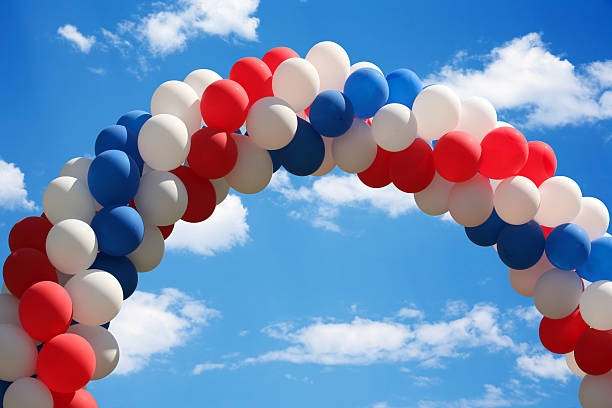
Decor can make an event feel intentional. Or it can make it feel like someone panic-bought half a party store the night before. There’s not much middle ground. I’ve seen both. If you’re browsing Balloon Arches in Pittsburgh and saving photos left and right, pause for a second. The arch isn’t the theme. The lights aren’t the theme. The theme is the feeling. Everything else supports it. That’s where most people slip. They collect pieces before they decide on a direction. And then they’re stuck trying to force it all to make sense.
Let’s slow it down and talk through what actually matters.
Figure Out the Mood Before You Touch a Single Decor Item
I know, it sounds basic. But this step gets rushed all the time. Ask yourself what the room should feel like when guests walk in. Loud and celebratory? Soft and romantic? Polished and corporate? Fun and chaotic in a good way? Because those are very different directions. If you don’t define that early, you’ll end up mixing elegant elements with playful ones and wondering why it feels off. It won’t be obvious. Just slightly wrong. And that slight mismatch changes everything.
Lighting is usually the first clue. Warm lighting makes people relax. Bright lighting keeps energy up. Colored lighting can completely shift the mood in seconds. Start there. Build around that.
Let the Venue Lead a Little
Some venues don’t need much help. Others need a lot. If the space already has chandeliers, tall ceilings, and dramatic walls, don’t fight it. Work with what’s there. You don’t need to cover every surface. On the flip side, if it’s a plain hall with white walls and low ceilings, you’ll need stronger visual anchors. Ceiling height matters more than people realise. High ceilings can handle bigger installations. Low ceilings need balance, or things feel heavy. Oversized decor in a small space doesn’t feel luxurious. It feels crowded.
And please measure. Doorways, stage width, and ceiling clearance. Guessing leads to awkward setup moments. I’ve watched teams try to tilt oversized frames just to squeeze them inside. It’s not fun.
Pick a Colour Direction and Stay Close to It
You don’t need a rainbow. Two or three main tones are usually enough. Add neutrals to soften it. Then repeat those colours throughout the space — signage, florals, table settings, balloon work, even lighting gels. But don’t match everything so perfectly that it looks artificial. Different shades. Different textures. Matte against gloss. Fabric against metal. That’s what keeps it interesting.
When everything is identical, it feels staged. When there’s subtle variation, it feels layered. Real.
Choose One or Two Strong Focal Points
Here’s where restraint comes in. You do not need decor in every corner. Pick your main moment. Maybe it’s the entrance. Maybe it’s the stage backdrop. Maybe it’s a large balloon display framing the dance floor. Let that be the hero. If everything is loud, nothing stands out.
Negative space is not space. It gives your focal pieces room to breathe. It allows guests to actually notice the details instead of feeling visually overwhelmed.
Think About Movement, Not Just Looks
Decor should guide people, not block them. Picture guests walking in. Where do they naturally gather? Where will they line up? Where will they take photos? That’s where decor works hardest. A beautiful setup shoved into a corner won’t get attention. An oversized display in a high-traffic area becomes annoying fast.
Balloon arches, signage, and lighting features — they work best when they frame moments. Entrances. Head tables. Dance floors. Not random walls just because there was space.
Walk through the layout in your head. It helps more than you think.
Budget With Priorities, Not Emotion
This part isn’t glamorous. But it’s real. Decor can eat through a budget quickly. Custom builds, rentals, delivery, setup crews — it adds up. Decide early what matters most. If photos are important, invest in a strong visual statement. If atmosphere is key, spend on lighting and subtle layers. Trying to spread money evenly across everything usually weakens the impact.
Also, leave some breathing room in the budget. Something always shifts. Maybe the venue requires extra rigging. Maybe you realise an area feels empty. Having flexibility keeps you from scrambling.
Add Personal Elements So It Doesn’t Feel Generic
Themes are fine. Personal touches are better. If it’s a birthday, include something meaningful to that person. If it’s a corporate event, integrate branding subtly instead of slapping logos everywhere. If it’s a wedding, bring in details that reflect the couple’s story. That’s what guests remember.
This is also where statement pieces like Marquee Lights in Pittsburgh can work well, especially for highlighting initials, a name, or a brand feature. They add presence. But only if they fit the scale of the room and the overall style. Random oversized letters in a small space? Not great. Proportion matters more than hype.
Know When to Call in Help
Some things are fine to DIY. Simple table decor. Small signage. Maybe basic centrepieces. But large balloon structures, complex lighting installs, suspended decor — those aren’t casual weekend projects. They require planning, safety awareness, and proper setup time. Hiring experienced local vendors, especially for specialised pieces, often saves more stress than it costs. They know the venues. They know the load-in restrictions. They’ve solved the problems already.
There’s value in that.
Don’t Chase Every Trend
Trends move fast. Your event doesn’t need all of them. If something fits your theme naturally, great. If it doesn’t, skip it. Just because you’ve seen it online doesn’t mean it belongs in your space. Consistency will always feel stronger than randomness. Repeating certain shapes, materials, or colours across the room creates cohesion without effort. Then maybe add one subtle surprise — a lighting shift later in the evening, a texture contrast, something small but thoughtful.
It doesn’t have to scream for attention.
Conclusion
Choosing decor for your event theme isn’t about collecting pretty objects. It’s about building a space that feels intentional from the second someone walks in. Start with the mood. Respect the venue. Pick a focused colour story. Use strong focal points instead of filling every gap. Think about how people move. Spend money where it actually counts. Add personal touches that mean something.
When it works, guests won’t analyse it. They’ll just feel comfortable. Excited. Engaged. And that’s the point. Not perfection. Not copying what worked somewhere else. Just a space that makes sense for your event, your people, your reason for gathering. The rest is noise.

 English
 French
 Spanish
 Portuguese
 Deutsch
 Turkish
 Dutch
Dutch
 Italiano
 Russian
 Romaian
 Portuguese (Brazil)
 Greek
Greek
