


 Ban & Monetization Policy
 MyLiveRoom Rewards Program Rules & Eligibility
What Makes a Professional Design Studio Different from Freelancers
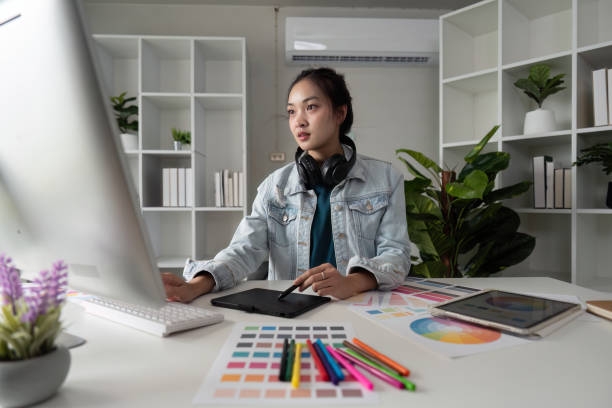
There’s a big difference between hiring one person with a laptop and hiring a full team that lives and breathes design every day. I’ve worked on both sides of that fence, and trust me, it’s not the same game. If you’re looking at a design studio in Vigo, you’re not just paying for someone’s time. You’re buying into structure, depth, process, and accountability. And yeah, sometimes that costs more upfront. But there’s a reason for it.
Freelancers can be brilliant. Some are insanely talented. But a professional studio operates on a different level. It’s not about better or worse, it’s about scale, reliability, and how many moving parts are involved when things get serious.
A Team Instead of a Single Skill Set
Here’s the obvious one, but it matters. A freelancer is one brain. One perspective. One workload limit. Even if they’re great at what they do, they still have blind spots. We all do. A studio pulls from multiple minds. Designers, developers, strategists, content people, branding folks. When you work with a professional design studio, you’re not relying on a single skill set. You’re getting layered thinking. One person spots something another missed. Ideas bounce around. The final output is sharper because it’s been challenged internally before you even see it.
And if someone’s sick? On holiday? Burned out? The project doesn’t stall. That’s a big deal.
Process Isn’t Sexy, But It’s Everything
Freelancers often work intuitively. That’s not a bad thing. Sometimes it’s fast and flexible. But studios rely on process. Clear onboarding. Defined milestones. Structured revisions. Timelines that aren’t just “I’ll send it soon.” Process keeps projects from drifting. In a professional environment, there’s documentation. Contracts. Clear scopes. If something changes, it’s discussed properly, not buried in a random WhatsApp message. That structure protects both sides. It avoids awkward misunderstandings and surprise invoices. Or worse, half-finished work.
It may feel more formal. It is more formal. But that’s kind of the point.
Strategy Comes Before Aesthetics
A lot of freelancers are amazing at visuals. They’ll give you something that looks impressive on a screen. Clean layout. Nice typography. Cool effects. But a studio digs deeper before design even starts. Who’s the audience? What’s the conversion goal? How does the brand position itself in the local market? What are competitors doing in Vigo? These questions shape the design before a single pixel moves. A proper studio builds from strategy outward, not from style inward. That shift changes everything. Because pretty doesn’t always mean effective.
Consistency Across the Entire Brand
Here’s where studios quietly win. A freelancer might design your website beautifully. But what about your brand guidelines? Social templates? Packaging? Email flows? Paid ad visuals? If they’re not experienced across all touchpoints, things start to feel disconnected. A studio thinks ecosystem, not project. Everything ties back to the same visual language and brand strategy. Same tone. Same feel. Same intent. When customers interact with your business, they don’t feel jumps or inconsistencies. It’s smooth. Cohesive. Intentional.
That consistency builds trust, even if customers don’t consciously realise why.
Accountability Is Built In
When you hire a freelancer, you’re trusting one person’s reliability. Most are professional. Some… not so much. Life happens. Deadlines slip. Communication slows down. With a studio, accountability is layered. There’s usually a project manager. Internal check-ins. Shared responsibility. If something goes wrong, there’s a system for fixing it.
And let’s be honest, businesses feel safer knowing there’s an actual company behind the work, not just an individual who might disappear during peak season. It’s not about distrust. It’s about risk management.
Scalability for Growing Businesses
This one doesn’t get talked about enough. A freelancer can handle small to mid-size projects comfortably. But if your business grows quickly? New campaigns, additional landing pages, e-commerce expansion, rebranding? The workload multiplies fast. A professional studio can scale with you.
They can assign more team members. Adjust timelines. Expand the scope without everything collapsing under pressure. For businesses that plan to grow, scalability matters. You don’t want to outgrow your designer six months in. That’s frustrating for everyone.
Access to Broader Industry Experience
Studios tend to work across multiple industries at once. Hospitality. Retail. Tech startups. Local services. That cross-industry exposure builds pattern recognition. They’ve seen what works. And what fails badly.
Freelancers can have wide experience too, but studios often have documented case studies, shared learning sessions, and internal critiques. The knowledge compounds over time because it’s shared within a team. One project informs the next. That accumulated experience shapes smarter decisions. Subtle ones. The kind clients don’t always see but absolutely benefit from.
Local Market Insight and Competition Awareness
When you’re choosing between web design companies in Vigo, this is where context matters. A local studio understands the regional business landscape. They know how companies position themselves in this city. They’ve probably worked with businesses that compete with you, or at least sit in the same ecosystem. That awareness influences everything from messaging tone to visual boldness. What feels premium here? What feels generic? What’s already overused? Freelancers outside the region might miss those nuances. And sometimes nuance is what separates average from standout.
Long-Term Partnership vs One-Off Projects
Freelancers often work project-to-project. Deliver, invoice, move on. That’s fine if you need something quick. Studios think longer term. They build relationships. Retainers. Ongoing optimization. Continuous improvements based on data, not guesses. Over time, that partnership becomes valuable. They understand your business history. Your mistakes. Your wins. They adjust their strategy because they’ve seen the evolution. That kind of continuity is hard to replicate when you’re constantly switching independent contractors. And honestly, constant switching drains energy.
Cost vs Value – The Honest Conversation
Yes, studios are usually more expensive. That’s real. Overhead exists. Salaries. Office space. Systems. But you’re paying for infrastructure. Stability. Collective expertise. Reduced risk. If the budget is tight and the project is small, a freelancer might be perfect. No shame in that. But if the stakes are high, if your brand reputation or serious revenue is on the line, cutting corners on design can cost more later. Rebrands are expensive. Fixing broken websites is worse. Sometimes, cheaper upfront becomes expensive long term. I’ve seen it too many times.
Conclusion
So what makes a professional design studio different from freelancers? It’s not just talent. Its structure. Depth. Systems. Shared knowledge. Accountability. And the ability to think beyond a single deliverable.
Freelancers have their place. They’re flexible, often creative as hell, and great for focused tasks. But when a business needs strategic direction, consistency, scalability, and long-term partnership, a studio brings something heavier to the table.
It’s less about who is “better” and more about what your business actually needs right now. Small project? Maybe a freelancer fits. Bigger vision, long-term growth, brand positioning in a competitive city like Vigo? A studio might make a lot more sense. At the end of the day, design isn’t decoration. It’s business. And the way it’s built behind the scenes matters more than most people realise.
 Italiano
 English
 Arabic
 French
 Spanish
 Portuguese
 Deutsch
 Turkish
 Dutch
Dutch
 Russian
 Romaian
 Portuguese (Brazil)
 Greek
Greek
