


 Ban & Monetization Policy
 MyLiveRoom Rewards Program Rules & Eligibility
Are BSE or NSE Platforms Better for Mutual Fund Transactions for MFDs?
Mutual Fund Distributors often ask a practical question: Which transaction platform is better — BSE or NSE?
The honest answer is: it’s not about which is better overall, but which is better for your workflow, client needs, and transaction style. Both platforms are strong, widely used, and regulator-recognized. The real advantage comes when your mutual fund software in India supports multiple transaction integrations, allowing you to choose what works best in each situation.
Let’s break this down clearly so you can understand how each platform works in and how to decide.
What Are BSE and NSE Mutual Fund Transaction Platforms?
Both are exchange-backed transaction engines that allow MFDs to execute mutual fund orders digitally instead of relying on manual forms or AMC-wise processes.
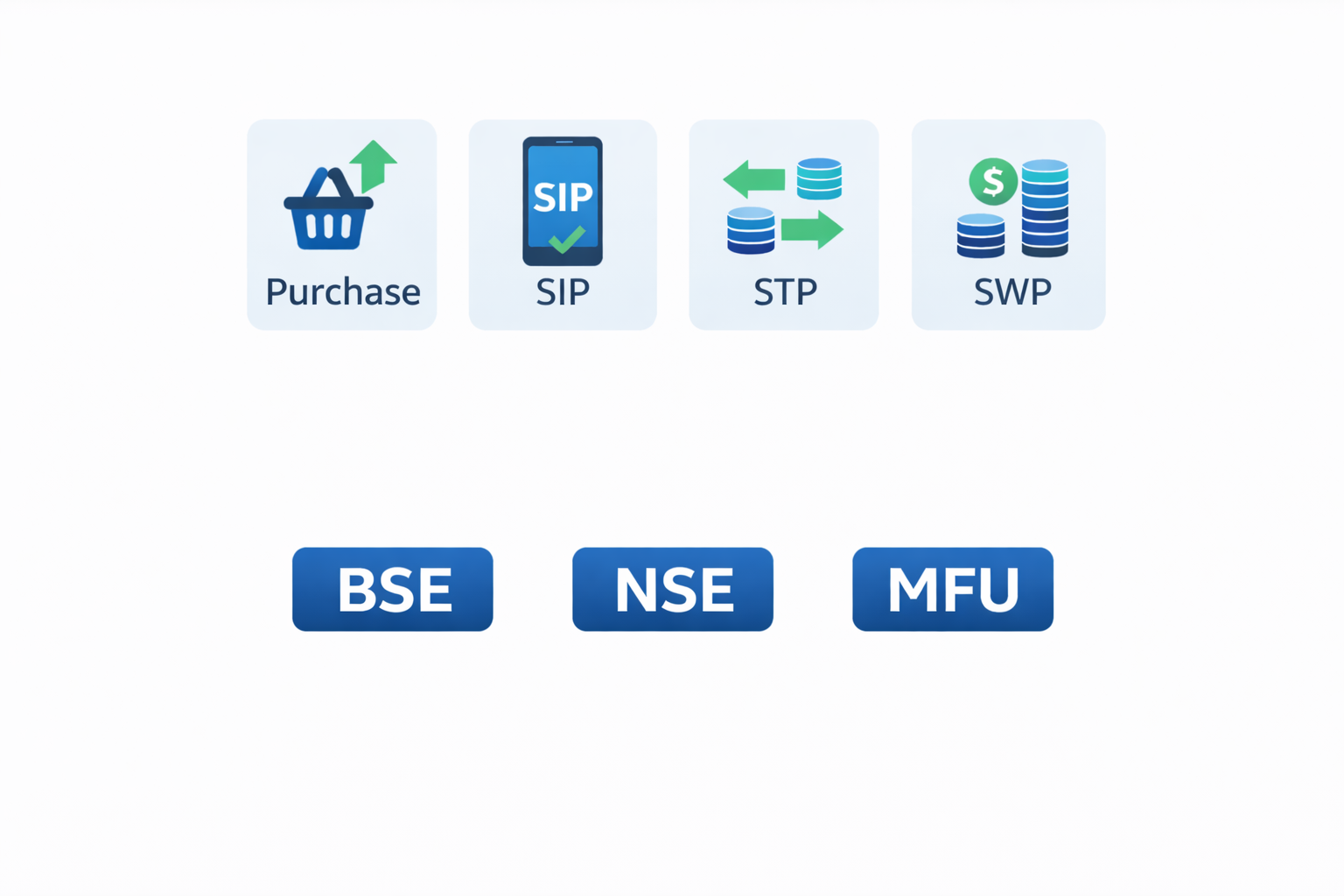
BSE StAR MF and NSE Invest function as centralized execution platforms where you can place:
● Purchases
● Redemptions
● SIPs
● STPs
● SWPs
● Switch transactions
They connect distributors to multiple AMCs through a single interface, reducing operational effort all through the top mutual fund software in India, like REDVision Technologies.
How BSE StAR MF Works for Distributors
BSE’s platform is widely used because of its execution stability and broad AMC connectivity. Strengths MFDs often notice
● Smooth order execution
● Wide AMC coverage
● Structured transaction tracking
● Reliable processing even during peak days
For distributors handling frequent transactions or large volumes, consistency and execution reliability become important — and that’s where BSE is often preferred.
How NSE Invest Works for Distributors
NSE’s newer platform is designed for faster workflows and simplified transaction journeys.
Key advantages
● Quick order placement
● Streamlined interface
● Efficient transaction flow
● Easy accessibility across devices
Many distributors like NSE because of its speed and simplified transaction steps, especially when servicing clients who expect quick confirmations.
Where MFU Fits Into This
MFU (Mutual Fund Utilities) works differently from exchange platforms. It acts as a central transaction and service platform supported by multiple AMCs directly.
It is useful for:
● consolidated transaction handling
● service requests
● non-transaction processes
● AMC-level servicing
This is why many distributors prefer setups that combine:
NSE + MFU
or
BSE + MFU
This combination provides flexibility instead of dependency on a single transaction channel.
Why Having Access to Both Platforms Is Ideal
Distributors who rely on only one transaction platform sometimes face limitations such as:
● temporary platform issues
● AMC-specific restrictions
● processing delays
● workflow mismatches
When your wealth management software supports both BSE and NSE integrations along with MFU, you gain:
● execution flexibility
● backup transaction routes
● better operational continuity
● faster servicing options
This is why many experienced MFDs prefer software that does not lock them into a single execution system.
How Multi-Platform Access Helps Daily Operations
When your system supports multiple transaction engines, you can:
● choose the fastest route for each transaction
● reduce dependency on one platform
● avoid execution delays
● handle peak transaction days smoothly
● serve clients faster
Instead of adjusting your workflow to match the platform, the platform adapts to your workflow.
Which Platform Should You Choose Then?
The smartest approach is not choosing one platform — it’s choosing software that supports both. Because in real business scenarios:
● one client may need faster execution
● another may require specific AMC routing
● some transactions may work smoother on a different engine
Having both options ensures you never get stuck.
Final Verdict
So, which is better — BSE or NSE? Neither is universally better. Both are strong transaction platforms used by distributors across India. The real advantage lies in using software that integrates: BSE StAR MF + MFU or NSE Invest + MFU—or ideally, access to all.
When you have platform flexibility, your operations become smoother, faster, and more reliable. And in distribution, operational efficiency directly improves client experience, confidence, and long-term growth.
FAQs
1. Which platform is better for mutual fund transactions — BSE or NSE?
Both platforms are reliable. The better option depends on your workflow, speed preference, and transaction requirements. Many distributors prefer using software that supports both so they can choose as needed.
2. Can MFDs use both BSE and NSE for transactions?
Yes. If your mutual fund software supports multi-platform integration, you can execute transactions through either BSE or NSE depending on convenience or availability.
3. Why do distributors also use MFU along with BSE or NSE?
MFU provides AMC-level servicing and additional transaction support. Combining MFU with an exchange platform gives distributors more flexibility and backup execution options.
4. Do investors see any difference between BSE and NSE transactions?
No. For investors, the experience is usually the same. The platform choice mainly affects the distributor’s operational workflow and execution convenience.
 French
 English
 Arabic
 Spanish
 Portuguese
 Deutsch
 Turkish
 Dutch
Dutch
 Italiano
 Russian
 Romaian
 Portuguese (Brazil)
 Greek
Greek
