


 Ban & Monetization Policy
 MyLiveRoom Rewards Program Rules & Eligibility
Emergency Restoration Services in the United States: Response, Recovery, and Risk Management
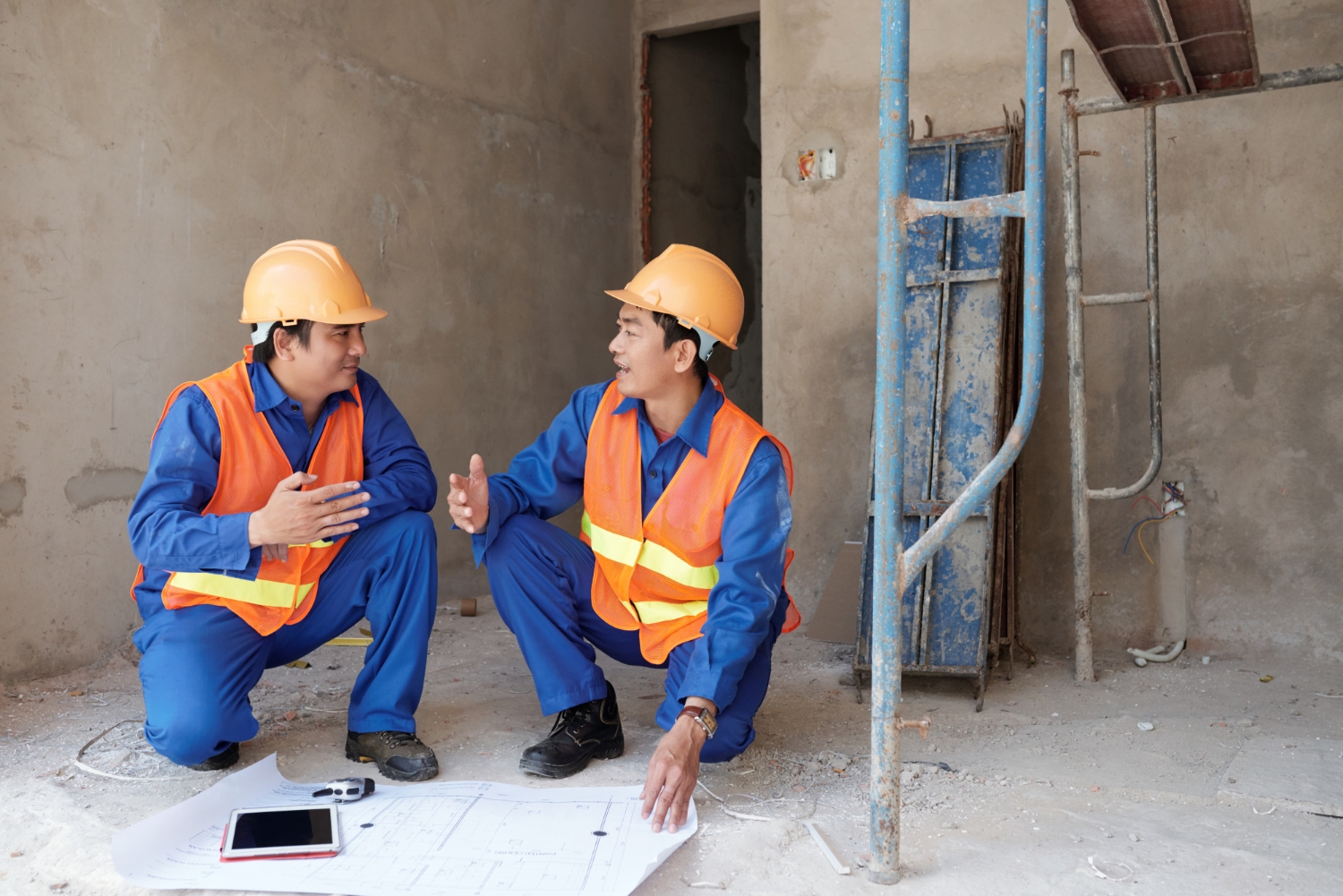
Emergency restoration services play a critical role in helping residential and commercial properties recover from sudden disasters. Across the United States, property owners face risks ranging from floods and fires to severe storms and structural failures. When unexpected damage occurs, rapid response and professional restoration efforts are essential to protect structural integrity, reduce health hazards, and minimize financial loss.
Natural disasters, infrastructure failures, and extreme weather patterns contribute significantly to property emergencies nationwide. According to the Federal Emergency Management Agency, millions of Americans experience property damage each year due to floods, hurricanes, wildfires, and other large-scale events. However, not all emergencies are caused by natural disasters. Everyday incidents such as electrical fires, plumbing failures, and appliance malfunctions also require urgent restoration.
This article explores the scope of emergency restoration services in the United States, including the types of disasters addressed, response procedures, regulatory considerations, health risks, and long-term recovery planning.
What Are Emergency Restoration Services?
Emergency restoration services refer to rapid-response cleanup, repair, and mitigation efforts following unexpected property damage. These services aim to:
-
Stabilize the property
-
Prevent further damage
-
Remove hazardous materials
-
Restore safe living or working conditions
-
Begin the reconstruction process
Unlike planned renovations, emergency restoration is reactive and often time-sensitive. The first 24 to 48 hours after a disaster are typically critical in limiting secondary damage such as mold growth or structural deterioration.
Common Incidents Requiring Emergency Restoration
1. Water Damage and Flooding
Water intrusion is one of the most common reasons for emergency restoration services. Causes include:
-
Burst pipes
-
Roof leaks
-
Appliance failures
-
Natural flooding
-
Sewer backups
Water can quickly damage flooring, drywall, insulation, and electrical systems. Immediate water extraction and drying are necessary to prevent mold growth and structural weakening.
2. Fire and Smoke Damage
Fires can result in both visible structural damage and hidden smoke contamination. Even small kitchen fires may require professional cleanup due to soot particles and odor infiltration.
Emergency restoration after fire often involves:
-
Debris removal
-
Soot cleaning
-
Smoke odor mitigation
-
Structural stabilization
Smoke residues can corrode surfaces and impact indoor air quality if not addressed promptly.
3. Storm and Wind Damage
Severe weather events, including hurricanes and tornadoes, frequently lead to emergency restoration needs. The National Oceanic and Atmospheric Administration reports increasing frequency of billion-dollar weather disasters in recent years.
Storm-related restoration may include:
-
Roof tarping
-
Board-up services
-
Structural reinforcement
-
Water intrusion mitigation
Prompt action prevents additional exposure to rain and environmental elements.
4. Mold Remediation
Mold growth can occur after water damage or prolonged humidity exposure. The Environmental Protection Agency notes that mold may begin developing within 24 to 48 hours in damp conditions.
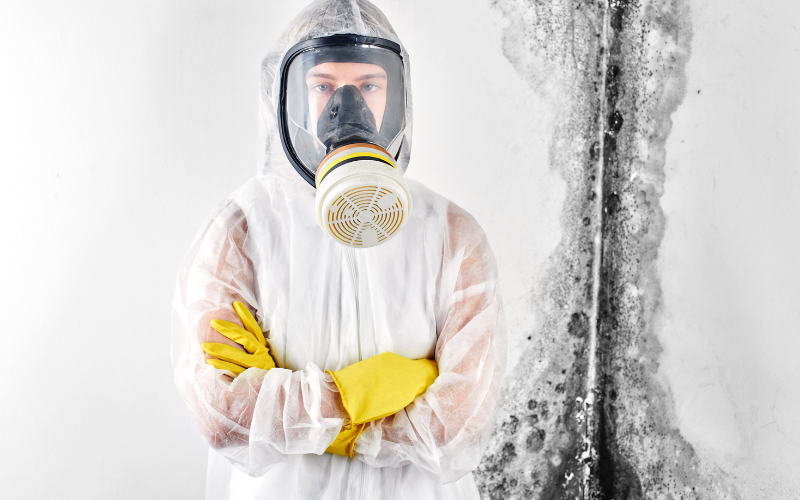
Emergency restoration services addressing mold typically involve:
-
Containment barriers
-
Air filtration systems
-
Removal of contaminated materials
-
Moisture control
Mold remediation is essential to protect indoor air quality and occupant health.
The Emergency Restoration Process
While procedures vary depending on the type of disaster, most emergency restoration services follow a structured sequence.
1. Immediate Response and Assessment
Rapid arrival at the property allows professionals to assess:
-
Safety hazards
-
Structural stability
-
Extent of damage
-
Source of the problem
Shutting off utilities, such as water or electricity, may be necessary to ensure safety.
2. Mitigation and Damage Control
Mitigation focuses on preventing further damage. This may include:
-
Water extraction
-
Roof tarping
-
Board-up services
-
Debris removal
Mitigation is distinct from full restoration; its purpose is stabilization.
3. Cleanup and Decontamination
Cleanup procedures depend on the type of damage. For example:
-
Water damage requires drying and dehumidification
-
Fire damage requires soot removal
-
Mold requires containment and filtration
Protective equipment is often necessary to prevent exposure to hazardous materials.
4. Structural Repair and Reconstruction
After mitigation and cleanup, reconstruction may begin. This stage can involve:
-
Replacing drywall
-
Installing new flooring
-
Repairing roofing
-
Restoring electrical systems
In some cases, extensive rebuilding is required.
Regulatory Oversight and Safety Standards
Emergency restoration services in the US must comply with occupational and environmental safety regulations.
The Occupational Safety and Health Administration (OSHA) establishes safety guidelines for workers performing hazardous cleanup. These standards address:
-
Personal protective equipment (PPE)
-
Respiratory protection
-
Electrical hazard control
-
Handling contaminated materials
Additionally, environmental guidelines from the EPA ensure proper disposal of hazardous waste.
Compliance with regulations protects both restoration workers and property occupants.
Health Risks Associated with Property Emergencies
Disaster-related damage can create health hazards, including:
-
Mold exposure
-
Airborne soot particles
-
Bacterial contamination from sewage
-
Structural instability
Smoke inhalation and mold spores can contribute to respiratory issues. Water-damaged materials may harbor bacteria and pathogens.
Emergency restoration services aim to eliminate these hazards to restore safe living or working conditions.
Insurance and Documentation
Most emergency restoration cases involve insurance claims. Property owners are generally required to document:
-
Photographic evidence of damage
-
Inventory of affected belongings
-
Repair estimates
-
Timeline of events
Flood-related damage may be covered under policies administered by the National Flood Insurance Program, depending on policy details.
Accurate documentation helps streamline claims and reduce disputes.
Business and Community Impact
For commercial properties, emergencies can disrupt operations and lead to financial losses. Business interruption may result from:
-
Temporary closures
-
Equipment damage
-
Employee displacement
On a larger scale, widespread disasters can impact entire communities, requiring coordinated recovery efforts supported by local, state, and federal agencies.
Preparedness and Prevention
While not all emergencies are preventable, preparedness planning can reduce damage severity.
Preventative measures include:
-
Routine building inspections
-
Roof and plumbing maintenance
-
Installing smoke detectors and fire suppression systems
-
Developing emergency response plans
-
Securing flood insurance in high-risk areas
Preparedness helps reduce downtime and accelerate recovery.
Climate Change and Increasing Risk
Climate data indicates a rise in extreme weather events across the United States. Flooding, wildfires, and severe storms are becoming more frequent and intense.
As a result, demand for emergency restoration services continues to grow. Property owners are increasingly encouraged to implement resilient construction practices and disaster preparedness planning.
Conclusion
Emergency restoration services are a vital component of disaster response and property recovery in the United States. From water and fire damage to storm destruction and mold contamination, rapid intervention minimizes structural loss and health risks.
With regulatory oversight from agencies such as OSHA and environmental guidance from the EPA, restoration efforts must adhere to strict safety standards. Insurance documentation, risk assessment, and preventative planning further support successful recovery.
As natural disasters and infrastructure challenges continue to affect communities nationwide, understanding the scope and importance of emergency restoration services enables property owners to respond effectively and protect long-term property value.
 Italiano
 English
 Arabic
 French
 Spanish
 Portuguese
 Deutsch
 Turkish
 Dutch
Dutch
 Russian
 Romaian
 Portuguese (Brazil)
 Greek
Greek
