


 Ban & Monetization Policy
 MyLiveRoom Rewards Program Rules & Eligibility
SEO vs PPC: How to Balance Paid and Organic Growth for Your Brand
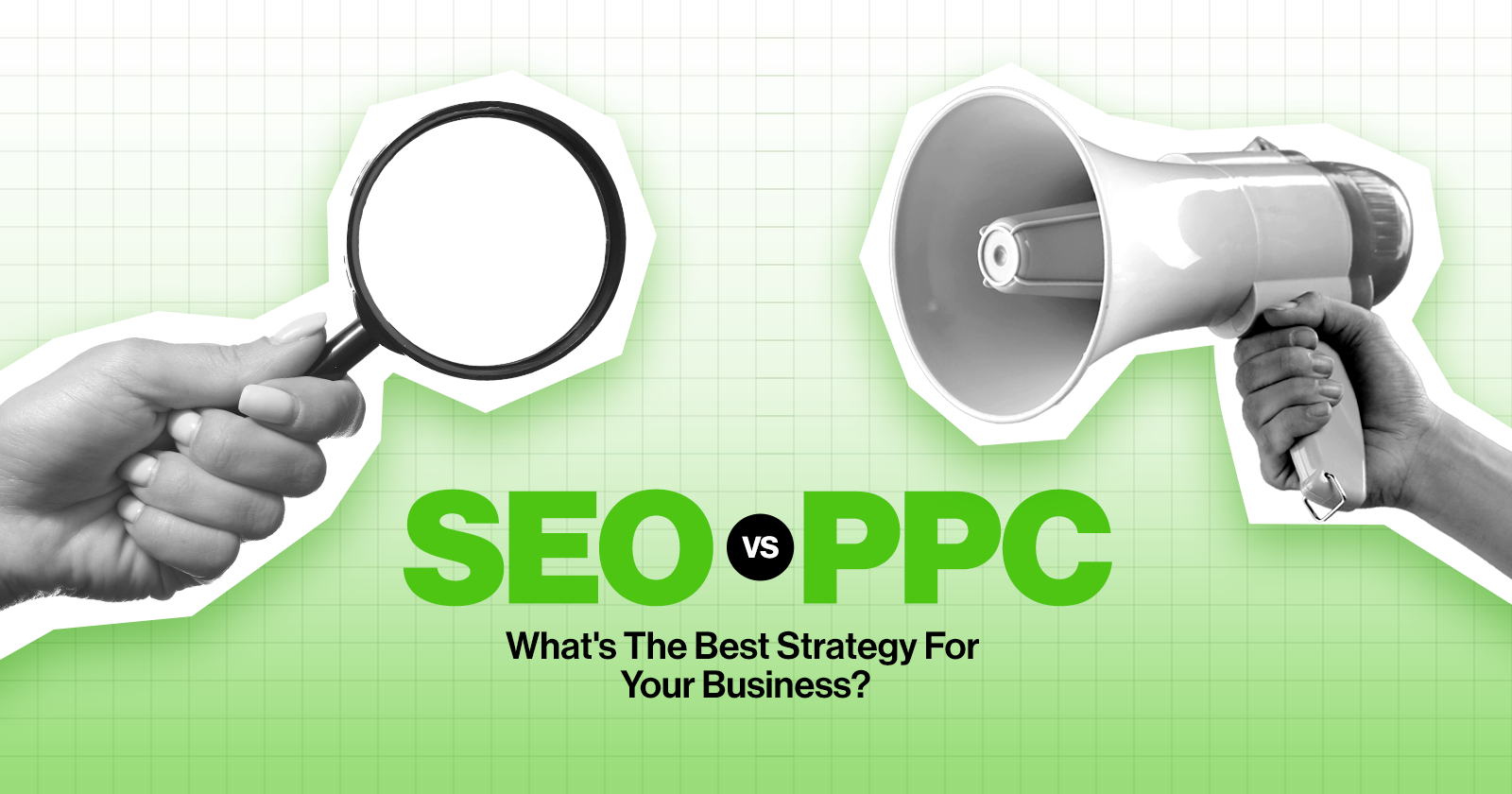
There are lots of ways that businesses have to entice their potential customers online and two of the most powerful channels are SEO (Search Engine Optimisation) and PPC (Pay Per Click) advertising. Both are tactics used to drive traffic, leads, and sales, but they function in very different ways. Knowing the benefits and drawbacks of each is crucial to achieving the right mix of paid and organic growth. Businesses which apply SEO and PPC together well generally see the highest visibility, improved budget management, and steady results.
The Difference Between SEO and PPC
SEO makes organic search engine visibility, which includes onsite amendments, content creation and building a sound link profile. The results of it accumulate over time because they are designed to last longer, unlike PPC, thereby yielding better long-term returns. SEO is all about the long game; you need to put in consistent work and do it intelligently since results are seldom instant(sometimes they can be lasting).
PPC, meanwhile, drives instant traffic by posting advertisements in search results or on other platforms. Advertisers bid on keywords to reach potential customers with ads at the moment of search. PPC offers immediate visibility It is highly measurable and controllable Through exact targeting, one can get an assurance that messages, audience and offers all are tested quickly.
The Advantages of Both SEO and PPC If You Combine Them.
SEO and PPC individually are both fantastic marketing solutions but together they may be the most powerful combination of tools that a marketer can use. Thanks to both SEO and PPC because:”SEO creates trust, authority and makes pages relatively visible in organic search over time.PPC can complement your other content marketing efforts by capturing prospects at the top of the funnel or targeting competitive keywords when organic ranking is tough.”
SEO and PPC working together is a feedback loop – what you learn from the PPC data informs keyword targeting, messaging, and conversion optimization for organic. Likewise, if you are ranking well organically, this can reduce your reliance on paid clicks and increase the efficiency of your campaign generally.
Syncing Paid and Organic Keyword Strategies
A strong keyword strategy is at the heart of successful SEO and PPC management. Businesses need to pinpoint high-value keywords, which they can better optimize organically and use for their paid campaigns. Some terms might fare better organically just because there's less competition, some may need PPC in the short term to be honest about exposure.
By testing keyword strength through PPC data, you can also refine SEO strategies. High CTR or conversion keywords can be used in title tags, meta descriptions and content – but use them carefully compared to your 2000+ words: if it is a new page, you would only need a few% of these keywords.
Balancing Budget and ROI Among Channels
And to top it all off, successful SEO and PPC clients balance their budget accordingly in both areas. PPC is pay per click right away, and SEO costs time to create content Inc satellite sites: To hire tech support to optimize Web pages Install links to purchase Do me first Ask Nick J domain isn’t set up yet InHWW’s Prime Servers – ZzzzOHMyGos livesynergize.com has new software and faster servers PPC campaigns Emanuel Royce d how update? Deciding the ideal mix is up to businesses themselves, depending on their goals and timelines for returns.
Tracking ROI at both channels helps companies take fact-based decisions. If a PPC campaign is getting Google to pay for the mistake, you can justify spending more however if an SEO campaign is weaning off the need to paying per click, then this gets better when measured by cost efficiency.
Integrated Campaigns: Increasing Conversions
SEO & PPC Integration Enhances Traffic Quantity and Quality Not only can search performance get better when these two strategies work together, but conversions can also increase. PPC will give you accurate targeting and retargeting if done right, with SEO, users who arrive organically can find quality content, clear navigation and a great user experience.
Companies that maintain a close fit between landing page messages, offers, and designs across paid and organic achieve consistency. This not only establishes trust but also lessens the bounce rate and ensures an increased probability of conversions for the latter two sources.
Utilizing Data analytics for Optimization
Paid and organic growth will be balanced based on data-led insights. Analytics tools allow businesses to monitor performance across both channels, including traffic, engagement and leads as well as conversions. By knowing what keywords, ads or content yield results, you can continue to optimize.
PPC feedback on messaging and targeting is instantaneous, then you’ve got to wait for SEO data on long-term trends. Combining the two datasets allows businesses to refine strategies, fine-tune targeting and optimise content for greater visibility and impact.
Adjusting for Market Competition and Changes
SEO And PPC Both SEO and PPC need to adjust as the market stands with their competitors and against the trends. Highly competitive markets might require higher spends for PPC to keep visible as you grow organically. Campaign priorities can also be influenced by emerging trends, seasonal demand or shifts in search behaviour.
Companies that keep an eye on the competition and industry trends can then adjust accordingly. Such as focusing on PPC at high demand times and in complement strengthening SEO will achieve an ultimate balance with maximum visibility.
Maintaining Brand Consistency Across Channels
When it comes to balancing paid and organic efforts, the thing is consistency! Companies need to make sure that their messages, tone of voice, branding, and offers are all in sync from SEO-optimized content to organic listings and paid ad. A lack of branding cohesion can leave potential customers baffled and sceptical, which in turn reduces the strengths of each channel.
Unified campaigns build on the value proposition of the brand and ensure integrated customer experiences whether or not their customers find them organically versus via paid ads.
Long Range Growth and Sustainability Planning
SEO is a base of long-term growth and success, it creates authority, trust and brings in regular organic traffic. PPC provides flexibility, as well as testing and visibility that are near-instant for various goals or campaigns. Combined, they comprise a holistic digital marketing approach that generates short-term success and long-term gains.
Only brands that strategically manage how their SEO and PPC work together can maximize the returns on their marketing investments by applying budget where it is most beneficial (and necessary), making confident, data-driven decisions to optimize both paid and organic search — generating more of those precious clicks while still saving money.
How To Make The Best Of SEO And PPC Integration
Well mutually working Seo and Ppc’s needs proper analysis, constant checkups, plus a team work together with multiple agencies. By combining the power of both channels, companies are able to get more exposure, optimize conversions and obtain a greater ROI.
Following shared KPIs, aligning keyword strategies, syncing content and ad messaging, pulling combined data; all these things make sure that paid and organic complement each other. The combination, puts brands on a trajectory to compete for the battle of volume, move apace with market changes and deliver growth that can be proven.
In Conclusion: Here’s How to Find the Balance for Your Own Brand
SEO vs. PPC SEO and PPC are not at odds with each other; they work together as part of an integrated marketing strategy. SEO creates long-term authority and long-lasting traffic, PPC enables immediate visibility+targeted exposure. Businesses that align them well achieve a competitive advantage, better ROI and results.
Through these four principles of differentiation, targeting data, common strategies and brand consistency businesses can deliver a well-integrated digital marketing plan. The right mix of paid and organic growth will result in greater online presence, higher quality leads and long-term brand success.
 Greek
Greek
 English
 Arabic
 French
 Spanish
 Portuguese
 Deutsch
 Turkish
 Dutch
Dutch
 Italiano
 Russian
 Romaian
 Portuguese (Brazil)
