


 Ban & Monetization Policy
 MyLiveRoom Rewards Program Rules & Eligibility
Why Traveling by Kolkata Metro Is Better Than Roads in Kolkata?
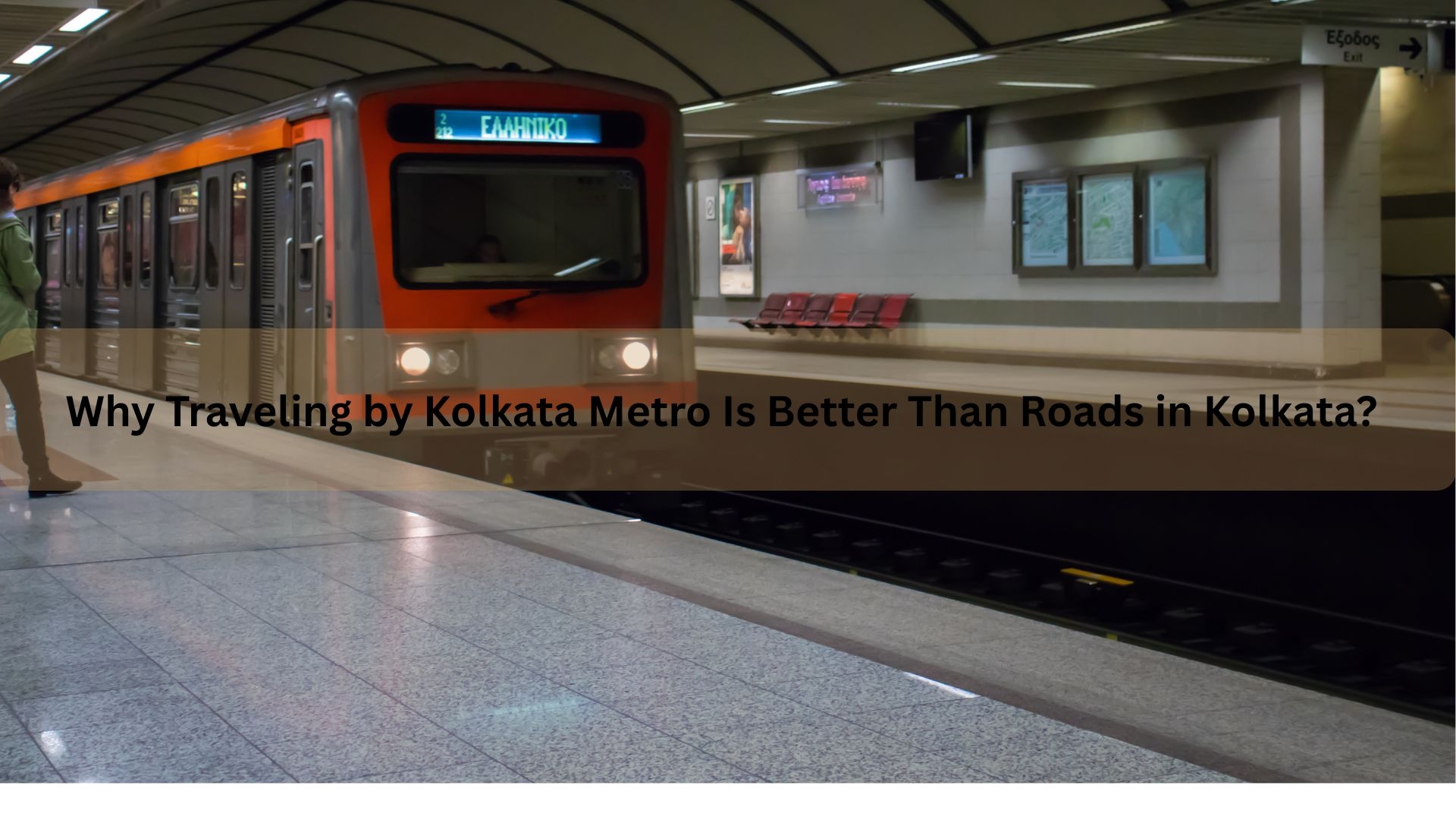
Kolkata's streets have their own rhythm, honking autos, yellow cabs edging forward inch by inch, buses puffing black smoke, and hand-pulled rickshaws holding up the flow. It's part of the city's character, but for anyone who needs to get from point A to B without losing hours or sanity, the roads can turn brutal. The Kolkata Metro offers a different story entirely. It runs separately from the surface chaos, underground in the center, elevated in stretches, delivering predictable, quicker rides that dodge the gridlock that's become a daily reality here.
Road vs Metro Which ine to choose
The Traffic Reality on Kolkata Roads
Road space in Kolkata is tight. Only about 4-6% of the city's area is dedicated to roads, far less than in places like Delhi or Mumbai. With rising private vehicles, cars, bikes, delivery vans, the average speed on major arteries often drops below 20 km/h during the day. Congestion builds fast around office hours, markets, or events. A trip that should take 30 minutes easily stretches to 75 or more. Add in unpredictable stops for signals, pedestrians, or sudden breakdowns, and travel time becomes a gamble. Pollution piles on too, diesel fumes from older buses and autos hang heavy, making even short rides uncomfortable.
How the Metro Sidesteps All That
The metro operates on its own dedicated right-of-way. No red lights, no merging fights, no roadworks blocking lanes. Trains maintain steady speeds around 40 km/h on average, sometimes higher on straight sections. A journey from Noapara in the north to the southern edges can clock in under an hour reliably, while the same route above ground might double or triple that in peak traffic. For north-south travel along the main corridor, or crossing under the Hooghly on the Green Line, the difference shows immediately, no waiting behind a stalled truck or weaving through crowds.
Predictable Schedules and Reliability
Metro services follow fixed timetables. On weekdays, trains run from early morning till late evening with frequencies as tight as 5-8 minutes during rushes. Even on Sundays, when services start later to allow maintenance, the pattern holds steady. The Kolkata metro timing on Sunday typically sees first trains around 9:00-9:50 AM (Green Line at 9:00-9:02 AM from ends, Blue Line around 9:50 AM from southern/northern terminals) and last ones wrapping up between 9:45 PM and 10:30 PM, with occasional extensions for events or trials. Frequency hovers at 10-15 minutes most of the day, tightening in afternoons on busier stretches. You check once via the app or site, and the train shows up close to when promised—something road travel rarely guarantees.
Cost and Comfort Edge
Metro fares remain low, ₹5 to ₹30 for most rides, no surge, no bargaining. Air-conditioned coaches, clear announcements in English and Bengali, digital screens, and clean platforms make the ride bearable even in summer heat. Roads mean open windows or AC blasting in cabs (at higher cost), dust, noise, and bumps. For longer distances or multiple stops, the metro adds up cheaper and more comfortably.
Environmental and Efficiency Gains
Every rider who switches from car or bus to metro cuts down on road emissions. Studies around the Blue Line show it reduces per-passenger pollution significantly compared to surface modes, especially in congested corridors where vehicles idle longer. With growing ridership, the system eases pressure on roads—fewer cars mean slightly better flow for those who must drive, and less strain on already narrow streets.
When Roads Still Win (and When They Don't)
Short local hops or areas not yet covered, like parts of the newer Orange, Yellow, or Purple lines on limited days, might still need autos or walks. But for core city movement, especially central to north/south or river crossings, the metro consistently outperforms. During festivals, Pujas, or big crowds, roads seize up completely while the metro adds extras or extends runs to keep moving.
Traveling Kolkata's roads has its stories, the street food stops, the sudden views, but for getting places efficiently, the metro changes the equation. It turns what could be a frustrating slog into something straightforward.
Wrapping Up!
In the end, whether dodging weekday rushes or checking the Kolkata metro timing on Sunday, the Kolkata metro rail proves better than roads in Kolkata. It delivers speed, certainty, and ease where surface travel struggles most, making the city feel a little smaller and a lot more manageable.
 Russian
 English
 Arabic
 French
 Spanish
 Portuguese
 Deutsch
 Turkish
 Dutch
Dutch
 Italiano
 Romaian
 Portuguese (Brazil)
 Greek
Greek
