


 Ban & Monetization Policy
 MyLiveRoom Rewards Program Rules & Eligibility
What Are Common LV Switchgear Panel Problems?
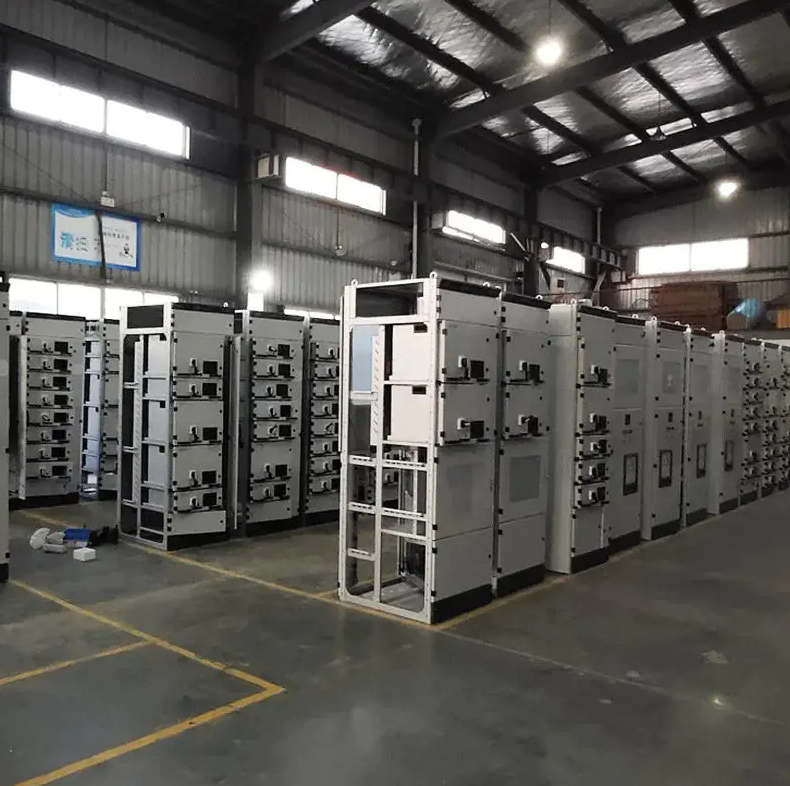
Even well-designed low voltage systems require troubleshooting at some point. Facility managers and technicians commonly ask: what are the telltale signs of LV switchgear issues, and how can these be resolved? Forums and technical blogs offer practical insights based on field experience.
A frequent issue reported by users is overheating. Over time, dust buildup and blocked vents can trap heat, causing insulation breakdown or premature component wear. Using thermal imaging during regular inspections helps identify thermal anomalies even before they become critical problems.
Another common symptom is frequent breaker tripping. This can indicate circuit overloads, short circuits, or that a breaker is unduly sensitive or worn. Technicians typically balance loads, verify breaker sizing, and test protective device functionality to isolate the cause.
Moisture and corrosion are also frequent concerns—especially in facilities with high humidity levels. Corroded terminals and busbars can weaken electrical conductivity and trigger faults. Proper enclosure sealing and dehumidification can significantly reduce these risks.
Mechanical wear in moving parts such as interlocks and operating levers is another area where users seek advice. Regular lubrication and part replacement based on inspection findings help extend equipment life.
Finally, misconfigured protection relays can lead to unintended trips or insufficient fault response. Periodic testing and calibration against load profiles is recommended for reliable operation.
Choosing a reliable Low Voltage Switchgear Manufacturer helps ensure that troubleshooting procedures align with product design and support resources, making resolution more efficient when issues arise.
 Italiano
 English
 Arabic
 French
 Spanish
 Portuguese
 Deutsch
 Turkish
 Dutch
Dutch
 Russian
 Romaian
 Portuguese (Brazil)
 Greek
Greek
