


 Ban & Monetization Policy
 MyLiveRoom Rewards Program Rules & Eligibility
Can You Test Your Vehicle Connectors?
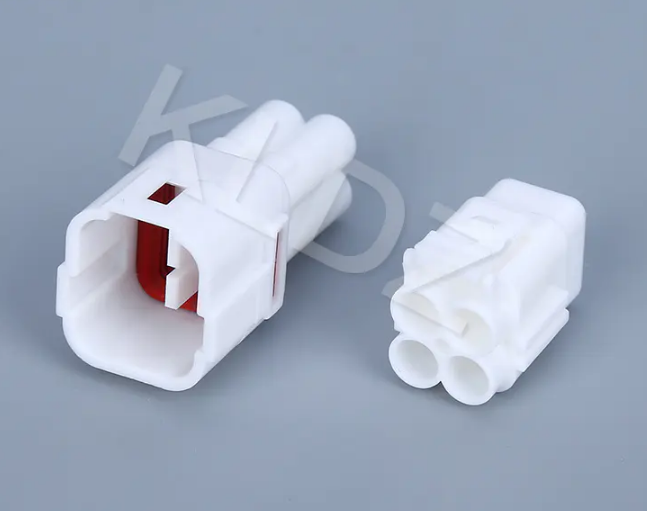
Experiencing electrical gremlins in a car can be frustrating. From mysterious starting failures to lights that flicker or systems that reboot unexpectedly, many problems trace back to electrical connections. Two components that often get overlooked until trouble strikes are the Auto Electronic Connector and the Vehicle Battery Connector. These connectors may be small, but they play pivotal roles in delivering signals and power across your vehicle’s electrical system. So how can you diagnose issues before they become bigger problems?
A typical early sign of connector trouble is intermittent electrical behavior. For instance, if your headlights dim only when going over bumps or certain electronics shut off momentarily, it may indicate a loose or vibrated connection. Vibration over time can work a connector partially loose, causing erratic contact. Checking for secure seating and movement in suspected connectors is a good first step.
Another indication is obvious corrosion or contamination. In many user discussions on mechanics forums, rusted battery terminals and connectors are frequently reported as causes of starting problems or power issues. Corrosion increases resistance, reducing the current available to the starter and accessories. Simply inspecting the Vehicle Battery Connector and cleaning the terminals with an appropriate solvent and brush can restore performance.
A useful diagnostic tool for pinpointing connector issues is a multimeter. By measuring voltage and resistance through suspected wiring paths, you can identify high-resistance spots that indicate corrosion, bad contacts, or broken wires. For example, if a connection shows significant voltage drop under load, it suggests that the connector might not be conducting properly.
You can also perform a wiggle test while monitoring system behavior. With the vehicle running and a multimeter attached, gently move connectors and wiring harnesses. If readings fluctuate or systems glitch when a particular connector is disturbed, that’s a strong clue you’ve found the issue. This method is commonly recommended in technical forums where users troubleshoot electrical problems with community guidance.
Lastly, don’t overlook physical inspection. Disconnecting and examining a connector can reveal bent pins, cracked housings, or damaged seals. A damaged connector can let moisture in, accelerating corrosion and electrical degradation. Replacing worn connectors before severe issues arise is often cheaper and less stressful than dealing with a breakdown on the road.
Regular inspection combined with simple diagnostic checks helps you find connector problems early and keep your vehicle’s electrical system reliable.
 Greek
Greek
 English
 Arabic
 French
 Spanish
 Portuguese
 Deutsch
 Turkish
 Dutch
Dutch
 Italiano
 Russian
 Romaian
 Portuguese (Brazil)
