


 Ban & Monetization Policy
 MyLiveRoom Rewards Program Rules & Eligibility
What Camera Settings Deliver the Best Results for Corporate Video Production?
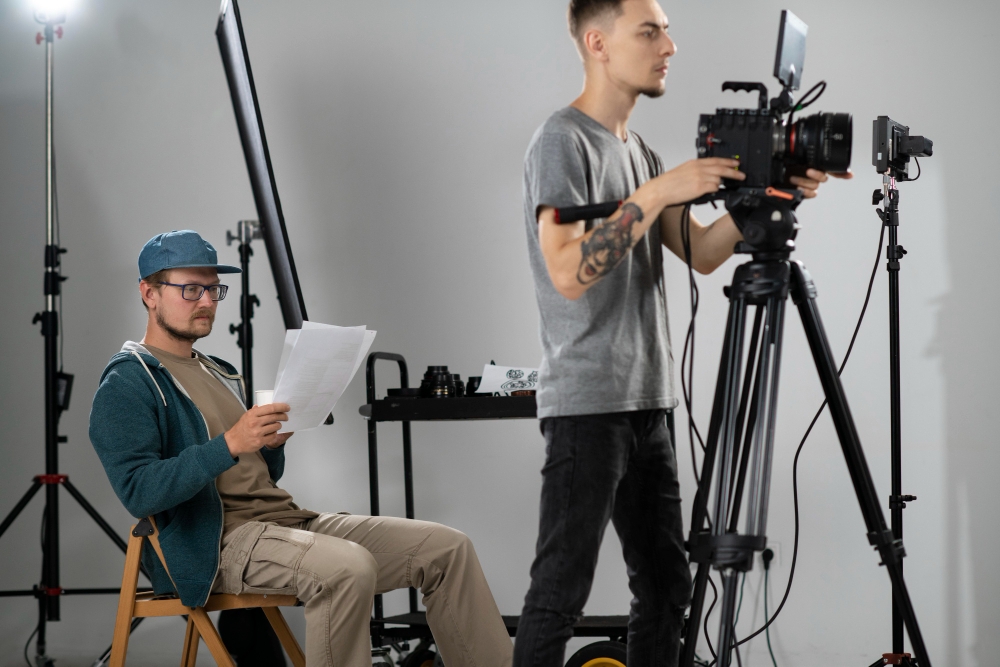
Let us be honest for a second... even the best story can fall flat if the camera settings are off. We have seen it happen. A business invests in a great script, talented team, and solid planning, but the footage looks dull or shaky. That is where a skilled corporate video production agency really proves its value. It is not just about owning a fancy camera. It is about knowing how to use it properly.
So, what settings actually make a difference? Let us break it down in a simple, practical way.
Start with Resolution and Frame Rate
First things first... resolution. Most corporate projects today are filmed in 4K. Why? Because it gives flexibility. Even if the final video is delivered in Full HD, shooting in 4K allows cropping and reframing without losing quality. According to a 2023 industry report by Statista, over 60 percent of professional video producers now prefer 4K for commercial work. That number keeps growing.
Frame rate matters just as much. For corporate films, 24fps or 25fps is common. It gives that cinematic, smooth look. If the video includes fast action... like machinery in a factory or sports training... 50fps or 60fps can help capture movement clearly.
We usually ask ourselves... how will this video be used? Website? Social media? Internal training? The answer guides the frame rate choice.
The Shutter Speed Rule We Always Follow
Here is a simple rule that works almost every time. The 180-degree shutter rule. Sounds technical, but it is easy.
Your shutter speed should be double your frame rate. So if you are filming at 25fps, your shutter speed should be around 1/50. This creates natural motion blur. Without it, movement can look sharp and jittery. And trust us... jittery corporate footage is not a good look.
Aperture and Depth of Field... Setting the Mood
Aperture controls light and depth of field. Lower f-stop numbers like f/2.8 create a blurry background. This is perfect for interviews. It keeps the focus on the speaker and removes distractions.
For office tours or factory walkthroughs, we often use f/5.6 or higher. That keeps more of the frame in focus. It feels open and clear.
Research published in the Journal of Media Psychology suggests that viewers are more likely to trust speakers who appear visually separated from cluttered backgrounds. Interesting, right? Small settings. Big psychological impact.
ISO... Keep It Clean
ISO controls brightness. The higher it goes, the more grain you get. Corporate videos should look clean and professional. Grainy footage can feel amateurish.
We try to keep ISO as low as possible... usually between 100 and 800, depending on lighting. Good lighting reduces the need to push ISO higher. That is why lighting and camera settings always go hand in hand.
White Balance Is Not Optional
Have you ever seen a video where everyone looks slightly blue or orange? That is poor white balance.
Different light sources have different color temperatures. Office LEDs, daylight from windows, factory lights... all vary. Setting a custom white balance instead of relying on auto makes a big difference. Skin tones look natural. Branding colors stay accurate.
A study from Wistia found that viewers are 35 percent more likely to finish a video that looks visually pleasing and professional. Color accuracy plays a role in that.
Picture Profiles and Color Grading
Many production teams shoot in flat picture profiles like Log. This captures more dynamic range. In simple terms... more detail in shadows and highlights.
Later, during editing, colors are adjusted to match brand identity. This is where experience matters. A strong visual style builds brand recall.
We have noticed that many video production companies in Michigan are investing heavily in advanced color workflows. Businesses want consistency across all marketing content.
Do Not Forget Audio Settings
Okay, not exactly a camera setting... but still critical. Bad audio ruins great visuals. Always monitor sound levels. Keep them between -6dB and -12dB to avoid distortion.
According to a survey by TechSmith, 75 percent of viewers say poor audio quality makes them stop watching a business video. That is huge.
Final Thoughts
Great corporate videos are not accidents. They are built on small, careful decisions. Resolution, frame rate, shutter speed, aperture, ISO, white balance... each setting shapes the final result.
When we slow down and adjust things properly, the difference is clear. The video feels polished. Professional. Trustworthy.
And in business, trust is everything.
FAQs
1. What frame rate is best for corporate videos?
24fps or 25fps works well for most corporate projects because it gives a natural, cinematic feel.
2. Should corporate videos always be shot in 4K?
Not always, but 4K gives flexibility in editing and future-proofs the content.
3. Why is low ISO important?
Low ISO reduces grain and keeps the image clean and professional.
4. Is automatic white balance good enough?
It can work, but manual white balance ensures consistent and accurate colors.
5. Do camera settings really affect viewer trust?
Yes. Studies show that visual quality influences viewer perception and engagement levels significantly.
 Romaian
 English
 Arabic
 French
 Spanish
 Portuguese
 Deutsch
 Turkish
 Dutch
Dutch
 Italiano
 Russian
 Portuguese (Brazil)
 Greek
Greek
