


 Ban & Monetization Policy
 MyLiveRoom Rewards Program Rules & Eligibility
Introduction
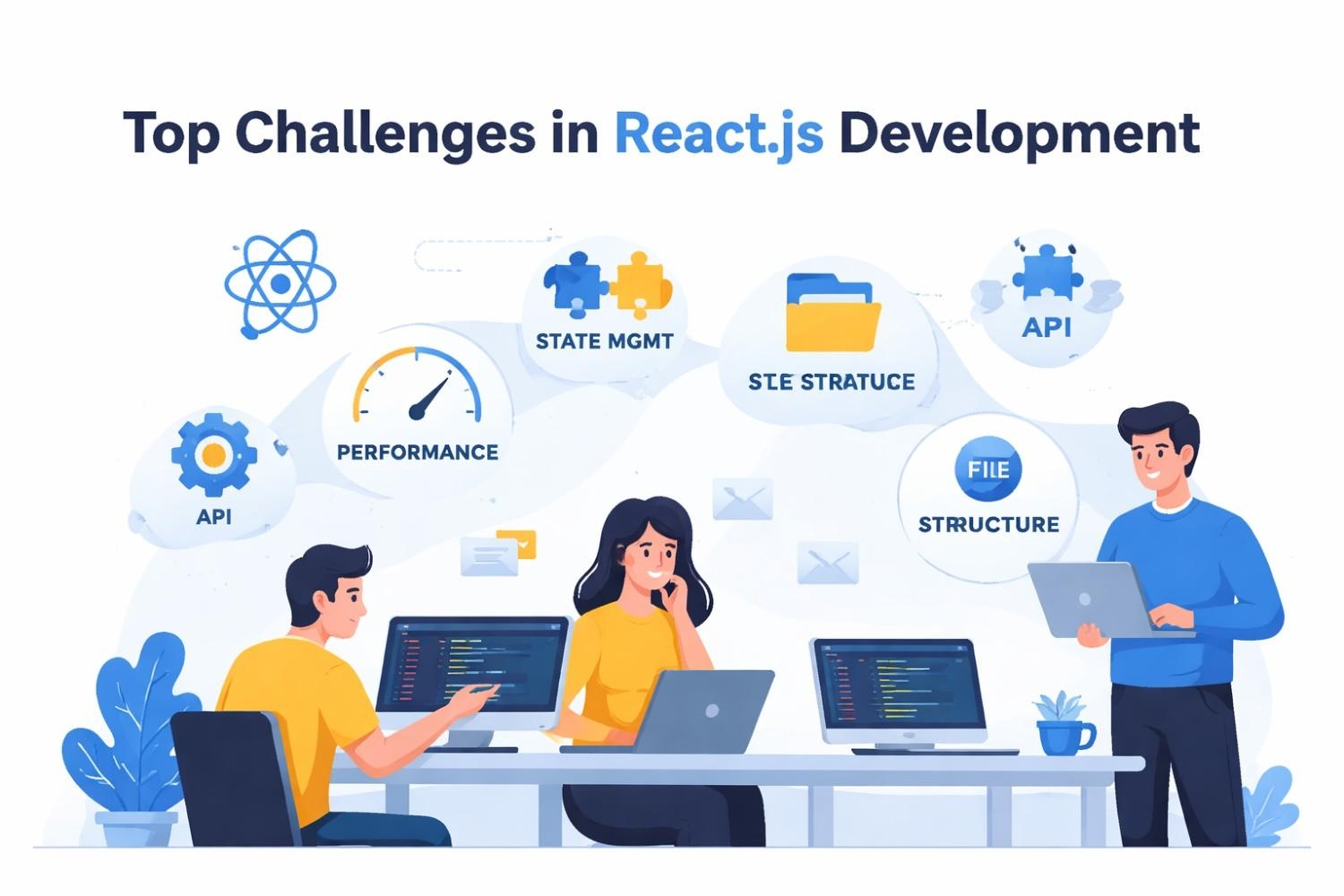
React has a funny way of looking simple at first glance just components, props, and a little state what could possibly go wrong?. Then the project grows, features multiply, deadlines tighten, and suddenly the “simple” library feels like a complex ecosystem. Many businesses approach a reactjs development company expecting smooth sailing, only to realize that React demands structure, discipline, and strategy. The good news? Most challenges aren’t flaws in React itself—they’re growing pains. Understanding these common hurdles early can turn frustration into focus and chaos into clean, scalable code.
Rapidly Evolving Ecosystem
React moves fast—sometimes faster than most teams can comfortably follow. New libraries emerge, best practices shift, and yesterday’s “must-have tool” becomes today’s technical debt. One week Redux dominates; the next week, lightweight state libraries trend everywhere. The temptation to chase every shiny new tool is real (and often regrettable). Stability comes from defining a tech stack early and resisting unnecessary changes mid-project. Clear documentation, internal standards, and thoughtful upgrades help maintain consistency. React’s ecosystem is powerful—but only when handled with restraint rather than reactive enthusiasm.
Complex State Management
State management starts innocently enough—until it doesn’t. As applications scale, managing shared data across multiple components becomes increasingly tricky. Prop drilling creeps in, global state balloons unnecessarily, and debugging feels like solving a mystery novel at midnight. The key lies in architectural clarity. Not every piece of data belongs in global state, and not every component needs to know everything. Separating concerns, leveraging Context API carefully, and choosing structured patterns make a difference. Teams that hire react js developers with strong architectural thinking often avoid these spiraling complexities from the start.
Performance Optimization Issues
Performance problems rarely announce themselves politely. They surface as slow dashboards, laggy interactions, or mysterious re-renders that drain user patience. Often, the culprit is inefficient rendering or unnecessary state updates. React provides powerful optimization tools—React.memo, useMemo, useCallback—but they must be used thoughtfully, not blindly. Profiling applications before optimizing prevents premature complexity. Code splitting and lazy loading further enhance speed, especially in large applications. Performance should be proactive, not reactive. After all, a fast application isn’t a luxury—it’s an expectation.
Poor Project Structure and Scalability
Early-stage projects often grow organically—sometimes too organically. What begins as a neat folder structure can quickly become a maze of loosely connected files. Without clear organization, scaling becomes painful and maintenance exhausting. Feature-based architecture and modular design help maintain order. Consistent naming conventions and code reviews reinforce structure over time. Experienced teams, especially those within a seasoned reactjs development company, understand that scalability begins with thoughtful planning. Clean structure isn’t about aesthetics—it’s about sustainability. A well-organized project saves countless hours down the road.
Testing Challenges
Testing React applications can feel overwhelming, especially when deadlines loom. Writing test cases for dynamic components, handling mocks, and ensuring coverage takes discipline. Yet skipping tests often leads to costly regressions later. Tools like Jest and React Testing Library simplify the process when integrated early. Prioritizing critical user flows rather than chasing perfect coverage creates balance. Continuous integration further strengthens reliability. Testing isn’t about proving perfection—it’s about building confidence. Applications supported by solid testing practices remain stable, even as features evolve and complexity increases.
Integration with APIs and Third-Party Services
React rarely works in isolation; it communicates constantly with APIs and external services. Handling asynchronous requests, managing loading states, and catching unpredictable errors introduces complexity. Poor error handling results in fragile user experiences. Centralized API abstraction layers improve maintainability and reduce duplication. Error boundaries add resilience at the UI level. Thoughtful request management ensures smoother data flow across components. When integration is planned carefully, applications remain stable even when backend systems evolve. Reliable communication between frontend and backend defines modern web success.
Talent Gaps and Hiring the Right Team
Not all React developers bring the same level of expertise. Some understand syntax; others understand architecture. That distinction often determines whether a project thrives or struggles. Businesses seeking long-term growth must evaluate experience beyond surface-level knowledge. Code reviews, technical interviews, and real-world problem-solving assessments reveal depth. Many organizations choose to hire react js developers with proven scalability experience rather than short-term coding skills. Skilled professionals reduce technical debt, enhance maintainability, and improve performance. Strong teams transform React from a tool into a competitive advantage.
Conclusion
React remains one of the most powerful tools in modern web development—but power without structure invites chaos. Most challenges stem from rushed planning, inconsistent architecture, or insufficient expertise. Clear standards, scalable design, performance awareness, and strong testing practices form the foundation of successful projects. React itself is rarely the villain; undisciplined implementation usually is. When approached thoughtfully, even complex applications remain manageable and efficient. In the end, success with React depends less on the library and more on the mindset guiding its use.

 English
 Arabic
 French
 Spanish
 Deutsch
 Turkish
 Dutch
Dutch
 Italiano
 Russian
 Romaian
 Portuguese (Brazil)
 Greek
Greek
