


 Ban & Monetization Policy
 MyLiveRoom Rewards Program Rules & Eligibility
Digital Signatures: The Foundation of Modern Paperless Business Operations
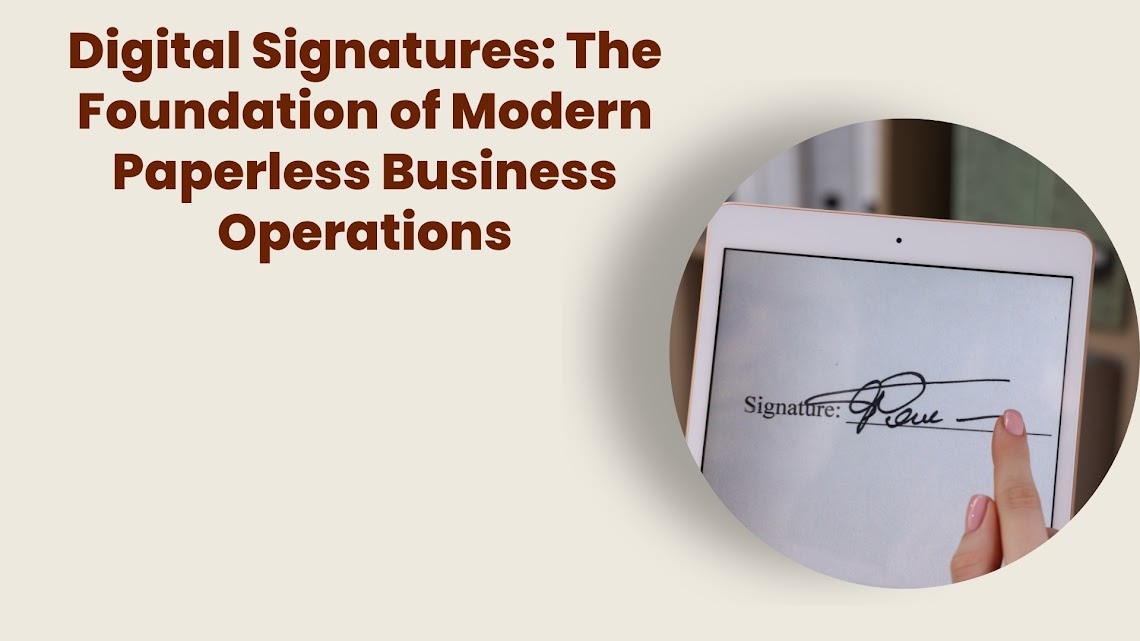
In an age where speed, security, and sustainability define business success, organizations across industries are rapidly moving toward paperless operations. Manual paperwork, physical storage, and in-person document signing are being replaced by digital systems that streamline processes and improve efficiency. At the center of this transformation lies one powerful tool: the digital signature.
A Digital Signature enables individuals and organizations to sign documents electronically in a secure, legally valid manner. By combining encryption technology with identity authentication, digital signatures have become the backbone of paperless workflows. They not only eliminate the need for physical documentation but also strengthen data integrity, compliance, and operational efficiency.
This article explores how digital signatures drive paperless transformation, their benefits, legal validity, implementation process, and their growing importance in modern business ecosystems.
The Rise of Paperless Workflows
Businesses today operate in a highly digital environment. From online banking and e-commerce to remote work and cloud collaboration, digital systems dominate daily operations. Paper-based processes—once the norm—now create delays, inefficiencies, and unnecessary costs.
Paperless workflows offer several advantages:
-
Faster document processing
-
Reduced operational expenses
-
Improved remote collaboration
-
Better document tracking and storage
-
Reduced environmental impact
However, removing paper from workflows requires a secure, legally recognized method of document signing. This is where digital signatures become essential.
What Is a Digital Signature?
A digital signature is a cryptographic mechanism used to validate the authenticity and integrity of a digital document. Unlike a scanned handwritten signature, a digital signature uses encryption algorithms to create a unique digital fingerprint linked to both the signer and the document.
Digital signatures rely on:
-
Public key infrastructure (PKI)
-
Encryption and decryption keys
-
Digital certificates issued by authorized certifying authorities
In India, digital signatures are regulated under the Information Technology Act, 2000, and are issued by licensed Certifying Authorities under the supervision of the Controller of Certifying Authorities.
Types of Digital Signatures
Digital signatures come in different forms depending on the level of security and usage:
1. Basic Electronic Signature
Used for simple agreements and low-risk transactions.
2. Advanced Digital Signature
Provides higher security with identity verification.
3. Class 3 Digital Signature
The most secure category, widely used for e-tendering, e-procurement, MCA filings, GST filings, and government transactions. (Also commonly referred to as Class 3 DSC.)
Class 3 signatures require strict identity verification and are often stored on secure USB tokens for enhanced protection.
How Digital Signatures Power Paperless Workflows
1. Faster Document Signing
Traditional signing methods involve printing, signing, scanning, and emailing documents—a process that can take days. Digital signatures reduce this to minutes. Documents can be signed instantly from any device and location.
This is especially valuable for:
-
Contracts
-
Vendor agreements
-
Government filings
-
HR onboarding documents
-
Financial approvals
The result is improved turnaround time and faster decision-making.
2. Enhanced Security and Data Integrity
Security is a primary concern in digital transactions. Digital signatures use encryption algorithms to ensure:
-
The identity of the signer is verified
-
The document has not been altered
-
Any tampering invalidates the signature
If a signed document is modified after signing, the digital signature becomes invalid, immediately alerting all parties. This significantly reduces the risk of fraud and forgery.
3. Seamless Integration with Digital Systems
Modern businesses rely on:
-
Document Management Systems (DMS)
-
Enterprise Resource Planning (ERP) systems
-
Cloud storage platforms
-
E-procurement portals
Digital signatures integrate seamlessly with these platforms, enabling automated workflows and approval hierarchies. Organizations can track document status, maintain audit trails, and retrieve records instantly.
4. Legal Recognition and Compliance
Digital signatures are legally valid in many jurisdictions worldwide. In India, they are recognized under the IT Act, 2000, and are accepted by government portals such as:
-
MCA (Ministry of Corporate Affairs)
-
GST portal
-
Income Tax portal
-
E-tendering platforms
Internationally, regulations such as:
-
Electronic Signatures in Global and National Commerce Act (ESIGN Act – United States)
-
eIDAS Regulation (European Union)
Also, grant digital signatures legal enforceability.
This makes them reliable for high-value contracts, financial filings, and regulatory submissions.
5. Improved Collaboration Across Locations
With remote work becoming standard, teams often operate across cities and countries. Digital signatures enable multiple stakeholders to sign documents without physical meetings.
For example:
-
A supplier in Delhi
-
A legal team in Mumbai
-
A client overseas
All can review and sign the same document digitally within minutes. This flexibility dramatically improves business agility.
Key Benefits of Digital Signatures in Paperless Workflows
1. Significant Cost Reduction
Paper-based processes involve:
-
Printing expenses
-
Courier charges
-
Storage infrastructure
-
Administrative labor
By shifting to digital signatures, organizations eliminate most of these costs, resulting in long-term savings.
2. Faster Processing and Productivity
Approvals that once took days can now be completed within hours. Automated workflows reduce manual follow-ups and accelerate business cycles.
3. Better Customer Experience
Customers prefer convenience. Digital signatures allow them to sign contracts from home using a laptop or smartphone. This improves satisfaction and builds trust.
4. Strong Audit Trails
Every digitally signed document generates a time-stamped audit trail. This includes:
-
Signer identity
-
Date and time of signing
-
IP address
-
Document version
This is particularly useful for compliance audits and dispute resolution.
5. Environmental Sustainability
Paper production contributes to deforestation and carbon emissions. By adopting digital signatures, organizations significantly reduce paper consumption, aligning with ESG (Environmental, Social, and Governance) goals.
Challenges in Adopting Digital Signatures
1. Resistance to Technological Change
Employees and clients accustomed to traditional methods may hesitate to switch. Proper training and awareness campaigns can ease the transition.
2. Integration with Legacy Systems
Older IT infrastructure may not immediately support digital signature APIs. However, most modern DSC providers offer integration support.
3. Cybersecurity Awareness
Although digital signatures are secure, businesses must:
-
Use licensed certifying authorities
-
Implement strong password practices
-
Protect USB tokens
-
Maintain updated antivirus systems
Security awareness is essential for maximizing protection.
Steps to Apply for a Digital Signature Online
Obtaining a Digital Signature Certificate is simple when done through an authorized provider. Here is a general process:
Step 1: Visit the Authorized Provider’s Website
Start the application process online.
Step 2: Fill in Required Information
Provide:
-
Applicant type (Individual or Organization)
-
Certificate type (Signing or Signing + Encryption)
-
Validity period
-
Personal and contact details
Agree to terms and submit the form.
Step 3: Choose Token Option
Select whether you already have a USB token or need a new secure token device.
Step 4: Complete Payment
Pay using net banking, credit/debit card, or UPI.
Step 5: Verification Process
Complete identity verification through Aadhaar-based authentication, video verification, or document submission.
Step 6: Receive Your Digital Signature
After approval, the DSC is issued and installed on a secure USB token, which is delivered to you.
The Growing Role of Digital Signatures in Business
As governments and enterprises accelerate digital transformation, digital signatures are becoming indispensable.
They are widely used in:
-
Company incorporation
-
GST and income tax filings
-
E-tender submissions
-
Banking documentation
-
Corporate agreements
-
HR onboarding
With increasing regulatory compliance requirements, digital signatures provide a secure and standardized solution.
The Future of Paperless Operations
The future of business lies in automation, artificial intelligence, and blockchain integration. Digital signatures will play a crucial role in:
-
Smart contracts
-
Blockchain-based document verification
-
AI-driven approval workflows
-
Cross-border digital transactions
As digital ecosystems expand, paper-based documentation will gradually become obsolete.
Also read:- Class 3 Digital Signature
Conclusion
Digital signatures are far more than a technological convenience—they are the structural support system of paperless business workflows. By offering secure authentication, legal validity, cost savings, and operational efficiency, they empower organizations to function in a faster, more reliable digital environment.
From streamlining document approvals to enhancing compliance and reducing environmental impact, digital signatures have redefined how modern businesses operate. As digital transformation continues to reshape industries, adopting secure digital signature solutions is no longer optional—it is essential.
Organizations that embrace digital signatures today position themselves for greater efficiency, stronger security, and long-term sustainability in an increasingly paperless world.
 Deutsch
 English
 Arabic
 French
 Spanish
 Portuguese
 Turkish
 Dutch
Dutch
 Italiano
 Russian
 Romaian
 Portuguese (Brazil)
 Greek
Greek
