


 Ban & Monetization Policy
 MyLiveRoom Rewards Program Rules & Eligibility
What Compaction Standards Apply to Recycled Concrete Aggregate (RCA)?
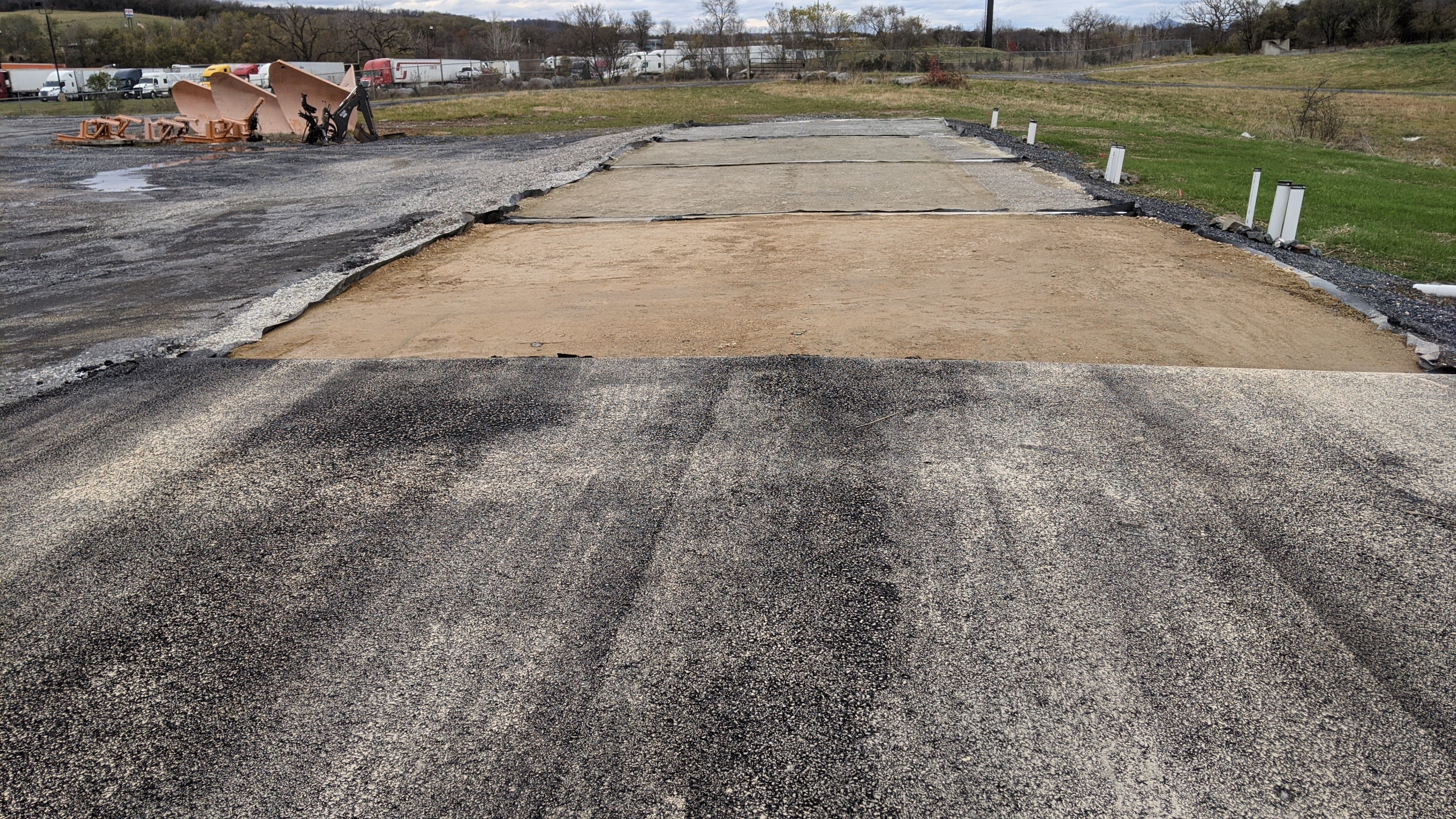
If you have ever stood on a jobsite watching a plate compactor rattle across a layer of
crushed concrete near me in California, you may have wondered... “Alright, how do we know this stuff is packed tight enough?” We have asked that question too, especially with recycled materials becoming more common every year.
The good news is that RCA is not the wild west. There are real, recognized compaction standards that help ensure recycled concrete performs like traditional aggregates. And honestly, the standards are not as intimidating as they sound.
Let us walk through it in a simple, friendly way.
Why RCA Needs Clear Compaction Standards
RCA behaves a little differently from natural aggregates. It has angular edges, leftover mortar, and slightly higher absorption. Because of that, compaction does not always follow the same "feel" as gravel or crushed stone.
A 2020 study from the Federal Highway Administration found that well-graded RCA can hit 95–100 percent of standard Proctor density, almost identical to natural aggregates when moisture is controlled. Pretty impressive for a recycled material.
That is why using defined standards keeps everything consistent... and avoids future headaches like settlement.
Standard Proctor and Modified Proctor... Which One Fits RCA?
Most projects use one of two benchmarks:
1. Standard Proctor (ASTM D698)
This is the go-to test for general construction fill. RCA used for sidewalks, pathways, or small pads often uses this method.
Target compaction:
✔ 95% of Standard Proctor (typical for non-structural bases)
2. Modified Proctor (ASTM D1557)
Heavier roads or foundations need higher density, so engineers go with this tougher standard.
Target compaction:
✔ 98% of Modified Proctor (common for pavements and high-load areas)
Most cities and DOT agencies follow one of these two standards. It keeps everyone speaking the same language.
Field Testing Methods You Will Actually See On Site
Now, the fancy lab tests are one thing... but out on the dirt? Contractors use quicker field methods:
• Nuclear Density Gauge (ASTM D6938)
Probably the most common. A handheld gauge checks density in seconds.
• Sand Cone Test (ASTM D1556)
Old-school but trusted. Great when a nuclear gauge is not available.
• Lightweight Deflectometer (LWD)
This one is gaining popularity... especially in cities. It measures stiffness instead of density, which some inspectors prefer for RCA since the material has unique particle shapes.
A 2018 transportation research study even recommended LWD as a reliable alternative for recycled aggregates because density readings alone do not always represent performance.
Moisture... Probably the Most Important Piece
Here is where things get tricky with recycled concrete.
RCA absorbs more water than natural stone. If it is too dry, it will not compact well. Too wet? It pumps and shifts. The sweet spot is usually just a bit above optimum moisture.
That is why crews often "pre-wet" RCA piles before spreading. Small detail... but it changes everything.
Common Project Specs You Will See for RCA
Some typical real-world requirements:
- Road base: 98% Modified Proctor
- Driveways and parking lots: 95–98% Standard or Modified
- Utility trenches: 95% Standard
- Backfill behind walls: 95% Standard
No matter the project, the goal is to lock those angular particles together so the layer acts like a solid slab.
Does RCA Perform as Well as Natural Material?
Short answer... yes, when compacted correctly.
A study from the University of Wisconsin showed that dense-graded RCA provided equal or better stability compared to natural aggregates in base layers. The angularity helps the particles interlock tightly... almost like built-in reinforcement.
And honestly, once it is compacted, most people would never know the difference.
5 Helpful FAQs About RCA Compaction
1. Is RCA harder to compact than natural aggregates?
Not really. It just needs proper moisture. When moisture is right, it compacts as easily as traditional base material.
2. Can I use vibratory rollers on crushed concrete?
Yes. Smooth drum or plate compactors work great. A vibratory roller is common on roadway bases.
3. Does RCA need to be screened before compaction?
For most jobs, yes. Removing oversized chunks helps achieve uniform density.
4. What moisture level works best?
Slightly above optimum moisture from the Proctor test. Dry RCA fights compaction.
5. Is RCA accepted by DOT agencies?
Many state DOTs approve RCA for road base and backfill, as long as it meets gradation and Proctor density specs.
 Italiano
 English
 Arabic
 French
 Spanish
 Portuguese
 Deutsch
 Turkish
 Dutch
Dutch
 Russian
 Romaian
 Portuguese (Brazil)
 Greek
Greek
