


 Ban & Monetization Policy
 MyLiveRoom Rewards Program Rules & Eligibility
Physiotherapy for Hypertension: Gentle Exercises to Reduce Pressure
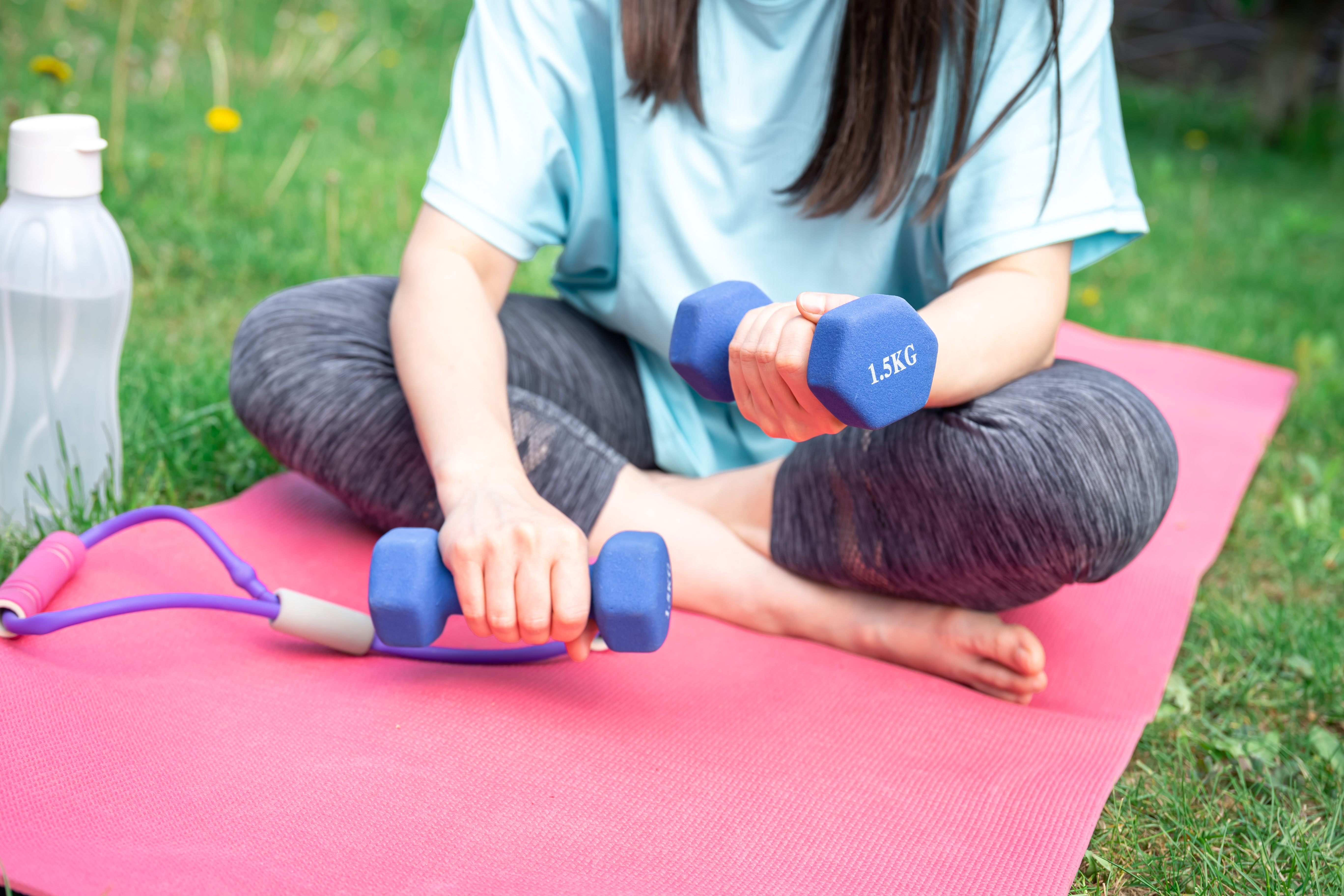
High blood pressure, or hypertension, is a common condition that affects millions. It puts extra strain on the heart and blood vessels, increasing the risk of stroke, heart attack, and kidney disease. While medications can help control blood pressure, lifestyle changes including physiotherapy can play a major role in managing hypertension safely.
Physiotherapy uses guided exercises, movement strategies, and lifestyle coaching to improve heart health and reduce blood pressure. If you have been struggling with high blood pressure, learning the right exercises under professional supervision is safer and more effective than trying random routines at home.
How Physiotherapy Helps Hypertension
Physiotherapy does not replace medication, but it can complement it. Here is how it helps.
-
It improves circulation. Gentle movements increase blood flow, strengthening blood vessels and lowering overall pressure.
-
It reduces stress. Physiotherapy often incorporates breathing exercises, relaxation techniques, and gentle stretching. Stress reduction helps lower blood pressure.
-
It supports weight management. Regular low-impact exercise aids in weight control, which is closely linked to blood pressure.
-
It enhances heart function. Moderate aerobic exercises recommended by physiotherapists can strengthen the heart without overexertion.
-
It promotes safe exercise. Hypertension requires caution. A physiotherapist guides you to avoid exercises that spike blood pressure.
Common Physiotherapy Exercises for Hypertension
Here are some exercises often suggested during a physiotherapy program for hypertension. Always consult a licensed professional before starting.
Walking or Light Cardio
Walking is simple and effective. Start with 10 to 15 minutes per day and gradually increase duration. Walking improves heart efficiency and reduces arterial stiffness.
Seated Leg Raises
Sit on a sturdy chair. Slowly lift one leg, hold for three seconds, and lower it. Repeat ten times per leg. This strengthens core and leg muscles, supporting circulation without overloading the heart.
Breathing Exercises
Inhale slowly for four counts, hold for two counts, and exhale for six counts. Repeat for five to ten minutes. Deep, controlled breathing helps relax blood vessels and lower blood pressure.
Gentle Stretching
Neck rolls, shoulder shrugs, and hamstring stretches loosen tight muscles. This improves blood flow and eases tension in the body.
Low-Impact Aerobics
Physiotherapists often recommend light cycling, swimming, or elliptical workouts. These exercises raise the heart rate safely while reducing strain on joints.
Tips for Safe Physiotherapy with Hypertension
Always get a physiotherapy assessment Milton offers before starting any program. Share your full medical history including medications and previous injuries. Monitor your blood pressure during exercises, especially during the first sessions. Avoid holding your breath while lifting or stretching. Progress slowly and increase intensity only under professional guidance.
A Milton physio can create a personalized plan that balances cardiovascular benefits with safety. Book physiotherapy appointment Milton offers to start with the right guidance. Regular physiotherapy assessment Milton provides ensures your exercises remain safe and effective.
Final Thoughts
Physiotherapy can help you manage hypertension naturally and improve overall health. With professional guidance, gentle exercises and lifestyle adjustments can lower blood pressure, reduce stress, and strengthen the heart.
Do not rely solely on home remedies or online exercise videos. Partnering with a licensed physiotherapist ensures safe, effective, and sustainable results. Taking this step is an investment in your heart health and long-term well-being.
 Russian
 English
 Arabic
 French
 Spanish
 Portuguese
 Deutsch
 Turkish
 Dutch
Dutch
 Italiano
 Romaian
 Portuguese (Brazil)
 Greek
Greek
