


 Ban & Monetization Policy
 MyLiveRoom Rewards Program Rules & Eligibility
Comparative Advantages of Lithium Iron Phosphate Battery Over Traditional Lithium-Ion Batteries
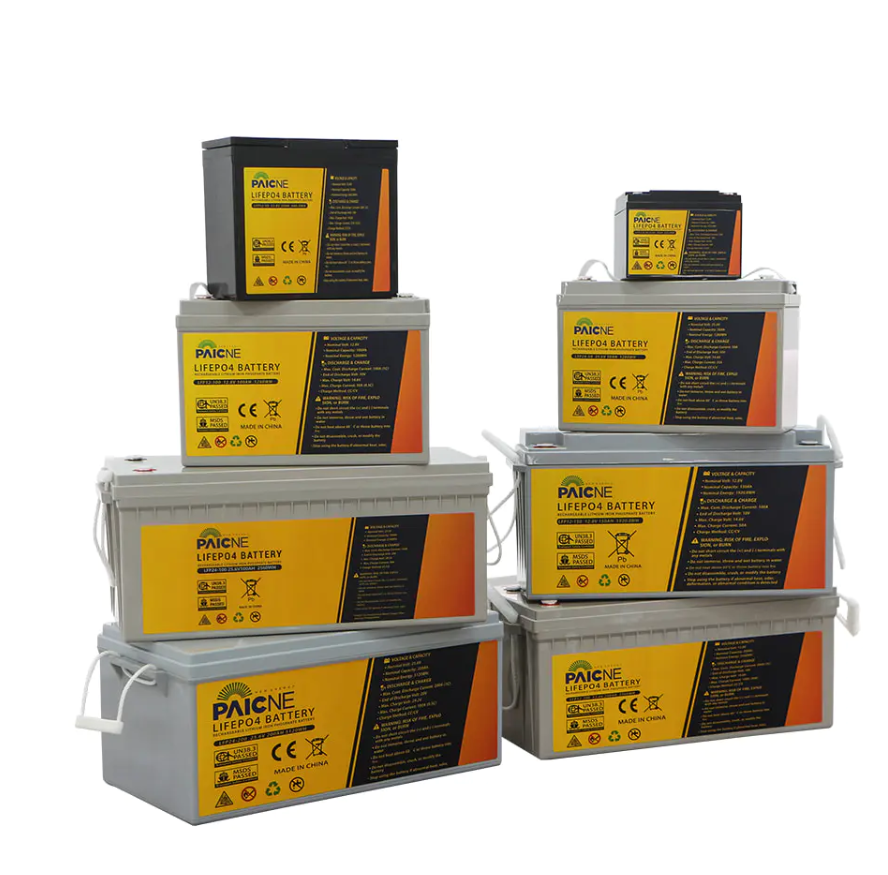
The Lithium Iron Phosphate Battery, often abbreviated as LFP or Lithium Iron Phosphate batteries, has emerged as a formidable competitor to traditional lithium-ion batteries. With its unique properties and advantages, it has found applications in a wide range of sectors, from electric vehicles to grid energy storage. Understanding the benefits of the Lithium Iron Phosphate Battery over its traditional counterparts is crucial in evaluating its potential for future technological advancements.
One of the most significant advantages of the Lithium Iron Phosphate Battery is its safety profile. Unlike traditional lithium-ion batteries, which can be prone to thermal runaway, the Lithium Iron Phosphate Battery exhibits excellent thermal stability. This characteristic reduces the risk of fires or explosions, making it a safer option for applications where safety is paramount.
In terms of longevity, the Lithium Iron Phosphate Battery outperforms traditional lithium-ion batteries. With a typical lifespan of 2000 to 7000 cycles, it can maintain up to 80% of its initial capacity over time, whereas traditional lithium-ion batteries may lose capacity more rapidly. This extended life cycle makes the Lithium Iron Phosphate Battery a cost-effective choice for long-term use.
Environmental resilience is another area where the Lithium Iron Phosphate Battery excels. It can operate effectively in a wide range of temperatures, from sub-zero to high heat, without significant loss of performance. Traditional lithium-ion batteries, on the other hand, are more sensitive to temperature fluctuations, which can lead to reduced efficiency and capacity.
The energy density of the Lithium Iron Phosphate Battery, while not as high as that of some traditional lithium-ion batteries, is sufficient for many applications. It offers a balance between energy density and safety, which is particularly important for large-scale applications such as electric vehicles and grid storage. The lower energy density does not compromise its ability to provide reliable power, and it remains a viable option for applications where safety and longevity are more critical than high energy density.
The cost-effectiveness of the Lithium Iron Phosphate Battery is also noteworthy. With lower manufacturing costs and reduced material requirements, it presents an economically viable option for large-scale deployment. This is particularly important as the world moves towards more sustainable energy solutions and the need for affordable battery technologies increases.
In terms of environmental impact, the Lithium Iron Phosphate Battery scores high due to its lower toxicity and simpler recycling process. Traditional lithium-ion batteries contain more toxic materials, and their recycling is more complex, which can lead to environmental concerns. The Lithium Iron Phosphate Battery's composition is more benign, reducing its environmental footprint.
Lastly, the voltage stability of the Lithium Iron Phosphate Battery is another advantage. It provides a flat voltage plateau, which is beneficial for applications requiring consistent voltage output. This stability contributes to the reliability of the battery, especially in applications where consistent power is crucial.
In conclusion, the Lithium Iron Phosphate Battery offers a range of advantages over traditional lithium-ion batteries, including safety, longevity, environmental resilience, cost-effectiveness, environmental friendliness, and voltage stability. As technology continues to advance, the Lithium Iron Phosphate Battery is likely to play an increasingly important role in various industries, providing a reliable and safe energy storage solution for the future.
Product Features:
1. High energy density: Lithium iron phosphate batteries have a high energy density, providing longer usage time and higher power output.
2. Long life: Lithium iron phosphate batteries use advanced materials and manufacturing processes, resulting in a longer service life and the ability to withstand more charge and discharge cycles.
3. High temperature tolerance: Lithium iron phosphate batteries can operate normally in high-temperature environments without being damaged or reducing performance due to excessive heat.
4. Fast charging: Lithium iron phosphate batteries support fast charging, allowing them to be fully charged in a short time, improving efficiency.
5. Safety performance: Lithium iron phosphate batteries have high safety performance, ensuring no explosion or fire hazards occur, making them safer and more reliable for use.
 Deutsch
 English
 Arabic
 French
 Spanish
 Portuguese
 Turkish
 Dutch
Dutch
 Italiano
 Russian
 Romaian
 Portuguese (Brazil)
 Greek
Greek
