


 Ban & Monetization Policy
 MyLiveRoom Rewards Program Rules & Eligibility
Comparative Analysis of Pressed Cookware and Traditional Cast Cookware
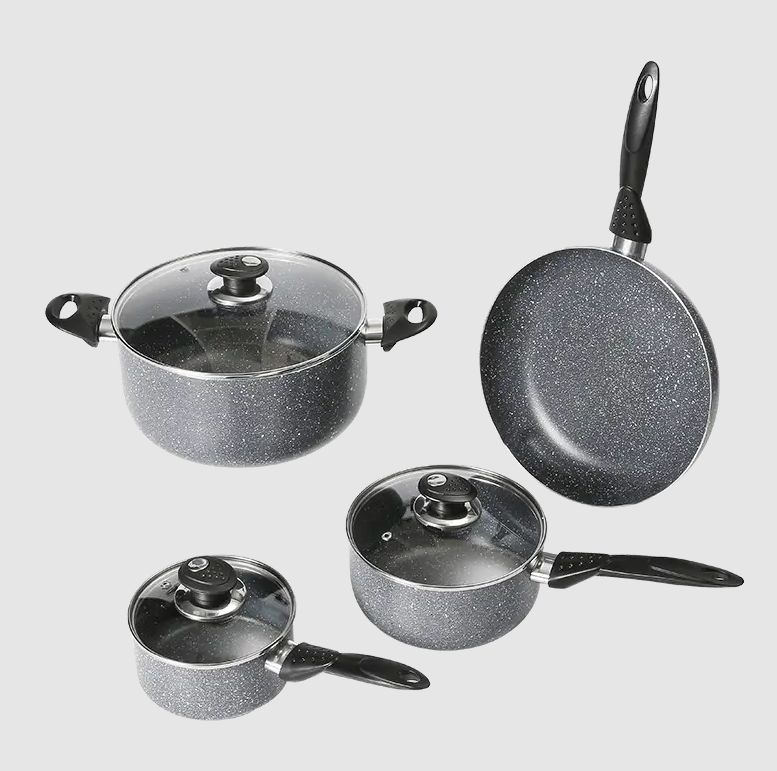
Pressed cookware, a product of advanced manufacturing techniques, has been gaining popularity in the culinary world due to its distinct characteristics. This article delves into the comparative analysis of pressed and traditional cast cookware, exploring their respective merits and demerits to provide a comprehensive understanding of each.
Pressed cookware is manufactured through a process that involves pressing metal sheets into the desired shape, which results in a uniform thickness and structure. This method contrasts with traditional casting, where molten metal is poured into molds and allowed to solidify. One of the primary advantages of pressed cookware is its uniformity. The pressing process ensures that the material is evenly distributed, leading to consistent heat distribution across the entire surface. This uniformity is particularly beneficial for even cooking and reduces the risk of hot spots that can be common with cast cookware.
Another advantage of pressed cookware is its durability. The pressing process strengthens the molecular structure of the metal, making pressed cookware more resistant to warping and denting compared to traditional cast cookware. This durability means that pressed cookware can withstand higher heat and heavier use, which is ideal for professional kitchens and avid home cooks who require a long-lasting cookware set.
However, pressed cookware does have some disadvantages when compared to traditional cast cookware. One of the most significant is the cost. The pressing process requires expensive machinery and precision, which can increase the manufacturing costs. This, in turn, can make pressed cookware more expensive than traditional cast cookware, which is often more affordable due to the simplicity of the casting process.
In terms of aesthetics, traditional cast cookware often has a more rustic and artisanal appearance due to the unique imperfections that arise from the casting process. This can be a selling point for those who value the visual appeal of their cookware. Pressed cookware, while sleek and modern, may not offer the same charm and character.
Another consideration is the weight of the cookware. Pressed cookware tends to be lighter than cast cookware due to its uniform thickness, which can be an advantage for those who prefer lighter cookware for ease of handling. However, some chefs prefer the heft of cast cookware, believing it provides better heat retention and stability on the stove.
When it comes to heat conduction, pressed cookware and traditional cast cookware can perform similarly, depending on the materials used and the quality of the manufacturing process. However, some types of cast cookware, such as those with a thick base, can provide excellent heat retention, which may be preferred for certain cooking techniques like slow simmering or braising.
In conclusion, pressed cookware offers several advantages over traditional cast cookware, including uniformity, durability, and lighter weight. However, traditional cast cookware can be more affordable, offer a unique aesthetic, and provide excellent heat retention in certain designs. The choice between pressed cookware and traditional cast cookware ultimately depends on the individual cook's preferences, budget, and specific cooking needs. Both types of cookware have their place in the kitchen, and understanding the pros and cons of each can help consumers make an informed decision that best suits their culinary requirements.
Aluminum body with nonstick coating for easy cooking and cleaning; BPA-free
Beechwood handles stay cool during use, vented glass lids let steam escape, and silicone lids keep your pan always new.
induction bottom heats evenly; compatible with gas, electric, and glass stovetops induction
Hand wash only, not dishwasher safe; please check the size of your stovetop's hobs before purchasing
Please use low to medium heat; extremely high temperatures can cause handle and coating damage
 Portuguese
 English
 Arabic
 French
 Spanish
 Deutsch
 Turkish
 Dutch
Dutch
 Italiano
 Russian
 Romaian
 Portuguese (Brazil)
 Greek
Greek
