


 Ban & Monetization Policy
 MyLiveRoom Rewards Program Rules & Eligibility
EAP Evolution: Transforming Helplines into Strategic Governance Frameworks
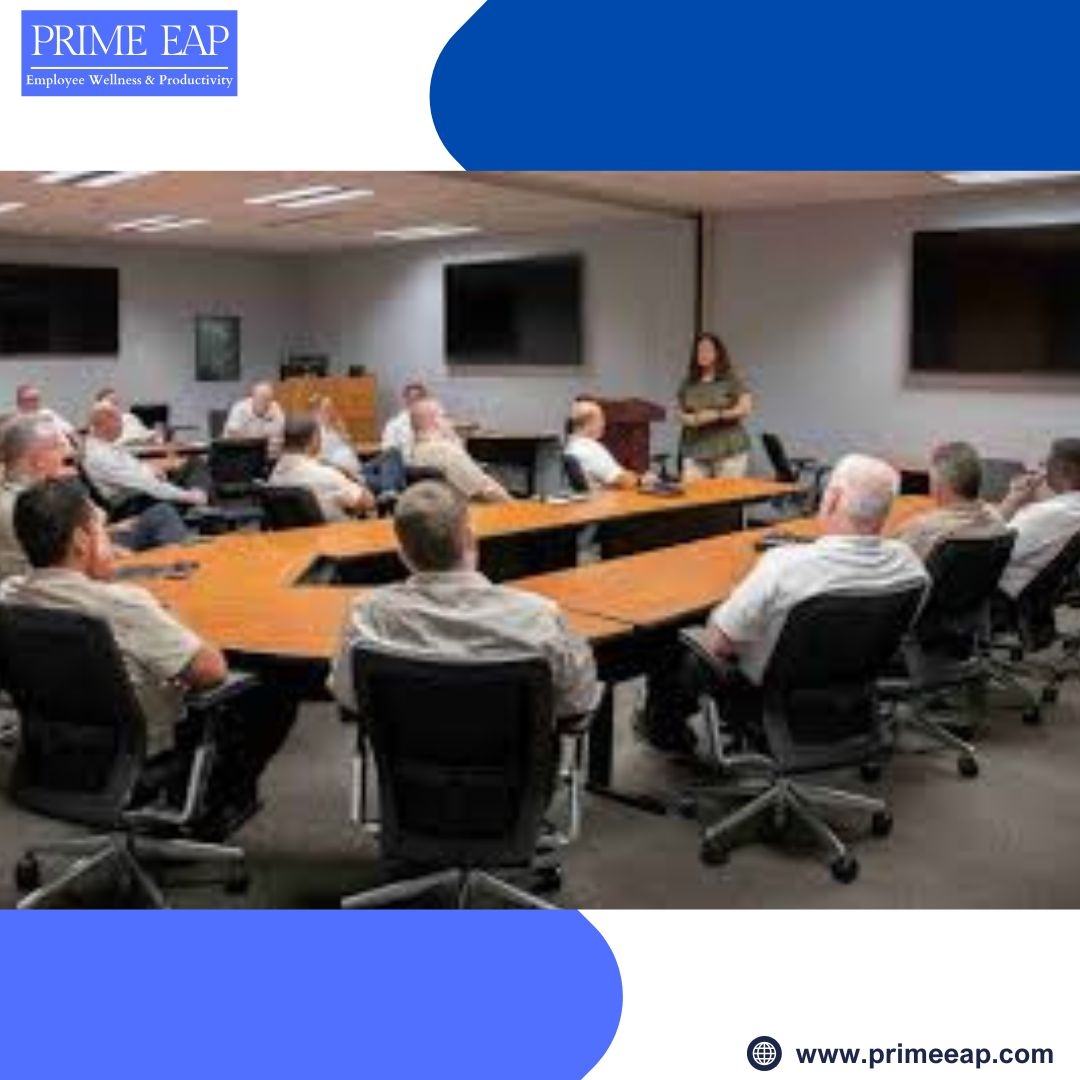
Introduction: The Shift from Reactive Support to Proactive Governance
In today's fast-paced workplaces, firms are redefining how they support their staff. An Employee Assistance Program (EAP) has grown far beyond basic helplines, evolving into full governance systems that tackle mental and emotional challenges head-on. This change matters deeply in India, where a 2023 Apollo Hospitals survey found 78% of workers face high stress levels, mirroring global trends from the World Health Organization (WHO) estimating workplace stress costs $1 trillion yearly in lost productivity. For Indian executives and global leaders alike, understanding this evolution means building resilient teams that drive business results.
The Foundations: From Helplines to Comprehensive Frameworks
Early EAPs started as simple phone lines for personal crises, often limited to alcohol or family issues. By the 1980s, U.S. models expanded to cover broader concerns, influencing global adoption. In India, the shift accelerated post-2020, with firms like those in Bengaluru's IT hubs facing burnout rates up 40% per a 2024 NASSCOM report. Today's EAPs integrate counseling, financial advice, legal aid, and wellness coaching into governance structures—formal policies overseen by boards, with metrics tied to HR KPIs.
This evolution addresses key gaps. Helplines offered anonymity but lacked follow-up; modern systems use data dashboards for trend analysis, ensuring interventions scale. Globally, Deloitte's 2025 Workplace Wellness Report notes firms with robust EAP governance see 25% lower absenteeism. In India, Labor Ministry guidelines now mandate mental support in larger firms, pushing leaders to view EAPs as strategic assets, not add-ons.
Core Components of Modern EAP Governance
Effective EAPs rest on interconnected pillars, blending accessibility with accountability.
-
Confidential Access Points: Beyond helplines, apps and chatbots provide 24/7 entry, vital in India's 24x7 economy.
-
Customized Interventions: Tailored for cultural contexts, like family pressure in Indian workplaces or remote work isolation globally.
-
Leadership Integration: Training for managers to spot stress signals, reducing mishandled cases by 30% per SHRM studies.
-
Metrics and Reporting: Anonymized dashboards track utilization (e.g., 15-20% engagement rates in top programs) and outcomes like reduced turnover.
-
Partnership Ecosystems: Ties with external experts ensure scalability without in-house overload.
In global multinationals operating in India, these elements align with ISO 45003 standards for psychosocial risk management, turning EAPs into board-level discussions.
Middle Ground: Linking Wellness to Business Resilience
As workplaces evolve, a Corporate Wellness Program embedded within EAP governance bridges individual support and firm-wide health. Evidence from McKinsey's 2024 Global Workforce Survey shows such programs cut healthcare costs by 15-20% in Asia-Pacific firms. In India, where 62% of professionals report sleep issues per a Great Place to Work study, these programs standardize stress tools like mindfulness sessions and ergonomic audits.
Governance elevates them: Policies define scope, budgets allocate 1-2% of payroll (a benchmark from WHO), and audits ensure compliance. This systemic approach contrasts with siloed efforts, fostering cultures where staff thrive amid deadlines.
Tackling Workplace Pressures: Governance in Action
Workplace Stress Management and Employee Mental Health & Wellness
form the heart of advanced EAPs, governed by proactive protocols. A 2025 Randstad India report highlights 70% of workers citing workload as a top stressor, while globally, Gallup data links unmanaged stress to $300 billion in U.S. losses alone. Governance systems deploy early warning tools—like pulse surveys—and interventions such as resilience workshops, achieving 28% stress reductions per Harvard Business Review analyses.
In Indian contexts, where festive seasons amplify pressures, EAPs incorporate culturally attuned strategies, like peer support circles. Boards oversee via KPIs: utilization rates above 10%, Net Promoter Scores for satisfaction, and linkage to DEI goals.
Challenges and Future Directions
Implementing EAP governance isn't seamless. In India, data privacy under DPDP Act 2023 demands robust safeguards, while global firms navigate Employee Mental Health & Wellness varying regulations like GDPR. Common hurdles include low uptake (addressed via awareness campaigns) and measuring intangible ROI (solved by longitudinal studies showing 4:1 returns).
Looking ahead, AI-driven predictive analytics and VR therapy signal the next wave. For Indian and global boards, the imperative is clear: Embed EAPs in governance to future-proof workforces.
Key Takeaways for Executives
-
Prioritize governance over ad-hoc services for scalable impact.
-
Benchmark against global standards, localize for India.
-
Track data ethically to refine programs continuously.
This framework positions EAPs as pillars of sustainable success.
 Russian
 English
 Arabic
 French
 Spanish
 Portuguese
 Deutsch
 Turkish
 Dutch
Dutch
 Italiano
 Romaian
 Portuguese (Brazil)
 Greek
Greek
