


 Ban & Monetization Policy
 MyLiveRoom Rewards Program Rules & Eligibility
How Cardboard Boxes Are Evolving With E-Commerce Growth
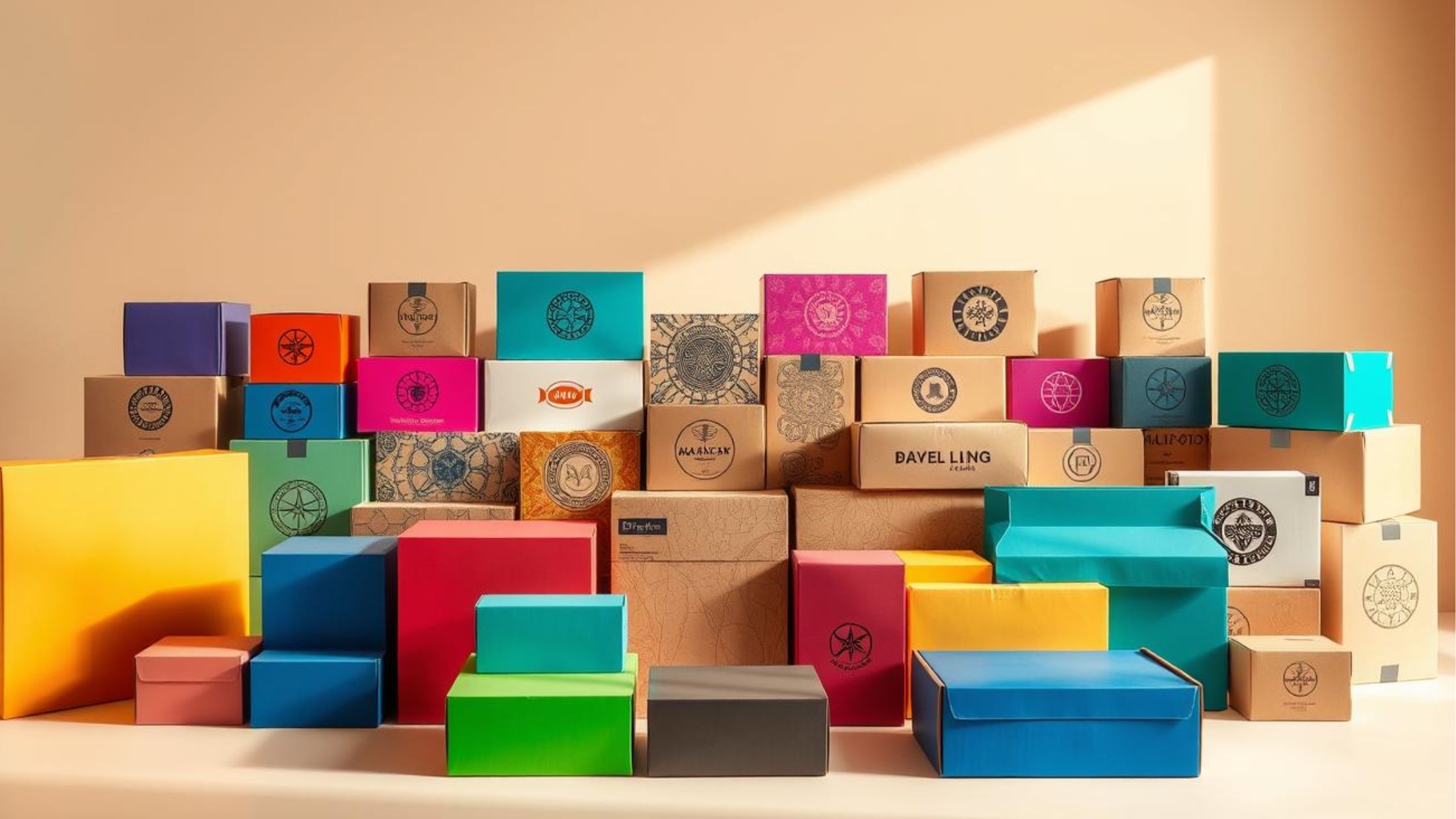
The rapid expansion of online shopping has completely transformed the packaging industry. As digital marketplaces continue to dominate global retail, businesses rely heavily on Cardboard Boxes to deliver products safely and efficiently. Today, companies no longer treat packaging as a simple container. Instead, they view it as a strategic tool that enhances logistics, protects goods, reduces costs, and improves customer experience.
In this article, you will discover how Cardboard Boxes continue to evolve alongside e-commerce growth. You will also learn how innovations in corrugated packaging, sustainable materials, and smart design help brands meet modern consumer expectations.
The Rise of E-Commerce and Its Impact on Packaging
E-commerce has changed how consumers shop. Customers now expect fast shipping, safe delivery, and attractive presentation. As a result, businesses must redesign their packaging strategies to keep up with these expectations.
Initially, retailers used traditional packaging methods designed for bulk shipping to physical stores. However, online shopping requires individual parcel deliveries. Therefore, manufacturers have adapted Cardboard Boxes to withstand direct-to-consumer shipping challenges.
Moreover, online platforms handle millions of shipments daily. Consequently, packaging must remain lightweight, durable, and cost-effective. Businesses now optimize every inch of packaging to improve shipping efficiency and reduce transportation costs.
The Shift Toward Corrugated Packaging Innovation
Manufacturers have significantly improved corrugated packaging technology. They now use advanced flute structures that provide enhanced strength without increasing weight. As a result, Cardboard Boxes protect fragile items during long transit journeys.
Additionally, designers experiment with multi-layer corrugation to support heavier products. This improvement ensures better stacking strength in warehouses and delivery trucks. Therefore, retailers reduce product damage and return rates.
Furthermore, companies integrate precision die-cutting technology. This innovation allows them to create custom-fit packaging solutions. Consequently, businesses minimize empty space inside boxes and prevent products from shifting during shipping.
Sustainability Drives Packaging Evolution
Sustainability has become a major driver of change in the packaging industry. Consumers actively prefer eco-friendly packaging, and businesses respond accordingly. Therefore, manufacturers now produce Cardboard Boxes using recycled fibers and biodegradable materials. Additionally, brands reduce excessive packaging to lower environmental impact. They design right-sized boxes that eliminate unnecessary filler materials. As a result, companies decrease waste while improving shipping efficiency.
Moreover, governments introduce stricter environmental regulations. Businesses comply with these rules by adopting sustainable corrugated packaging practices. They invest in recyclable inks, water-based adhesives, and renewable resources. Because sustainability directly influences purchasing decisions, companies now use eco-friendly Cardboard Boxes as a marketing advantage. Customers appreciate brands that demonstrate environmental responsibility.
Smart Packaging and Technology Integration
Technology continues to shape the evolution of packaging solutions. Today, companies integrate smart features into Cardboard Boxes to enhance tracking and customer engagement. For example, brands print QR codes on packaging surfaces. Customers scan these codes to access product information, tutorials, or promotional offers. As a result, packaging transforms into an interactive marketing channel.
Additionally, logistics companies use RFID tags and barcode systems to improve inventory tracking. These technologies ensure accurate deliveries and reduce shipping errors. Consequently, e-commerce businesses enhance operational efficiency. Furthermore, some brands incorporate tamper-evident seals into corrugated packaging. This feature increases customer trust by ensuring product safety during transit.
Customization Enhances Brand Identity
E-commerce growth has intensified competition among online retailers. Therefore, businesses use customized Cardboard Boxes to stand out in a crowded market. Firstly, brands invest in high-quality printing techniques. They add logos, vibrant colors, and creative graphics to create memorable unboxing experiences. As a result, customers often share their packaging on social media platforms.
Secondly, companies design packaging that reflects brand personality. Minimalist brands prefer clean designs, while luxury brands choose premium finishes. Consequently, packaging communicates brand values before customers even open the product. Moreover, personalized packaging strengthens customer loyalty. Businesses print thank-you messages, discount codes, or special greetings inside the box. This thoughtful approach enhances the overall shopping experience.
Right-Sizing Reduces Shipping Costs
Shipping costs directly impact profitability in e-commerce. Therefore, companies focus on optimizing the size of Cardboard Boxes. Oversized packaging increases dimensional weight charges. Consequently, businesses pay higher shipping fees. To solve this issue, manufacturers develop automated packaging systems that create custom-sized boxes for each order.
Additionally, right-sized corrugated packaging reduces the need for void fillers. This adjustment decreases material usage and improves sustainability efforts. Furthermore, efficient sizing allows more packages to fit into delivery vehicles. As a result, logistics companies maximize transportation capacity and lower carbon emissions.
Durability Meets Lightweight Engineering
Modern e-commerce requires packaging that balances strength and lightness. Therefore, manufacturers engineer Cardboard Boxes with improved structural integrity. They use high-performance corrugated boards that resist crushing and punctures. Consequently, products remain safe even during long-distance transportation.
At the same time, companies reduce material thickness without compromising durability. This lightweight design lowers shipping costs and simplifies handling processes. Moreover, innovative box styles such as double-wall and triple-wall corrugation provide extra protection for heavy or fragile items. Businesses choose these solutions based on product requirements.
Automation and Supply Chain Efficiency
Automation plays a crucial role in packaging evolution. E-commerce warehouses operate at high speed, and manual packaging processes cannot keep up with demand. Therefore, companies integrate automated box-forming and sealing machines. These machines assemble Cardboard Boxes quickly and accurately. As a result, businesses reduce labor costs and minimize human error.
Additionally, automation ensures consistent packaging quality. Machines apply precise folding, gluing, and taping techniques. Consequently, packages maintain uniform strength and appearance. Furthermore, real-time data tracking helps companies monitor packaging inventory. Businesses adjust production schedules based on order volumes, which improves supply chain efficiency.
Protective Features for Fragile Goods
Online retailers ship various products, including electronics, cosmetics, and glass items. Therefore, packaging must offer superior protection. Manufacturers now design Cardboard Boxes with built-in cushioning structures. They add partitions, inserts, and molded pulp supports to secure products.
Additionally, shock-absorbing corrugated packaging prevents impact damage during transit. As a result, companies reduce product returns and maintain customer satisfaction. Moreover, businesses test packaging durability through drop tests and compression tests. These evaluations ensure that boxes withstand real-world shipping conditions.
The Role of Branding in the Unboxing Experience
The unboxing experience has become a powerful marketing strategy. Customers often record and share unboxing videos on social media platforms. Therefore, brands invest heavily in aesthetically pleasing Cardboard Boxes. They use premium printing finishes such as embossing, matte coatings, and spot UV effects. Consequently, packaging creates a strong first impression.
Additionally, businesses include branded tissue paper and inserts inside corrugated packaging. These small details elevate the perceived product value. Because first impressions matter, companies treat packaging as a direct extension of their marketing campaigns.
Meeting Consumer Expectations for Convenience
Modern consumers demand convenience at every step. Therefore, manufacturers design Cardboard Boxes with easy-open features. They incorporate tear strips and perforations to simplify the opening process. As a result, customers avoid frustration and enjoy a seamless experience.
Additionally, many boxes now support easy returns. Brands include resealable adhesive strips that allow customers to reuse the same packaging for returns. Consequently, businesses streamline reverse logistics operations.
Global Expansion and International Shipping
E-commerce enables businesses to sell products worldwide. However, international shipping introduces additional challenges. Therefore, companies must enhance the strength and compliance standards of Cardboard Boxes. Manufacturers ensure that packaging meets international shipping regulations. They design boxes that withstand humidity, temperature changes, and rough handling.
Moreover, multilingual labeling and clear product descriptions improve cross-border deliveries. Businesses rely on durable corrugated packaging to maintain product integrity across long distances.
Future Trends in Cardboard Packaging
The future of Cardboard Boxes looks promising as technology and sustainability continue to evolve. Firstly, manufacturers will develop even lighter yet stronger materials. This advancement will reduce costs while maintaining durability. Secondly, smart packaging features will expand. Brands will integrate augmented reality experiences and advanced tracking systems into corrugated packaging.
Thirdly, companies will adopt circular economy practices. They will encourage customers to recycle or reuse packaging materials. Finally, automation will further streamline packaging production and fulfillment operations.
Conclusion
E-commerce growth has revolutionized the packaging industry. Businesses now treat Cardboard Boxes as essential components of logistics, branding, and sustainability strategies. Companies continuously innovate corrugated packaging designs to meet rising consumer expectations.
Moreover, sustainability initiatives, smart technology integration, and automation drive ongoing transformation. As online shopping continues to expand globally, Cardboard Boxes will remain at the center of this evolution.
Ultimately, companies that invest in innovative packaging solutions will gain a competitive advantage. They will reduce costs, enhance customer satisfaction, and strengthen brand identity. Therefore, the evolution of Cardboard Boxes will continue to shape the future of e-commerce for years to come.
 Italiano
 English
 Arabic
 French
 Spanish
 Portuguese
 Deutsch
 Turkish
 Dutch
Dutch
 Russian
 Romaian
 Portuguese (Brazil)
 Greek
Greek
