


 Ban & Monetization Policy
 MyLiveRoom Rewards Program Rules & Eligibility
Are You Making These Common Mistakes With Noodle Dough?
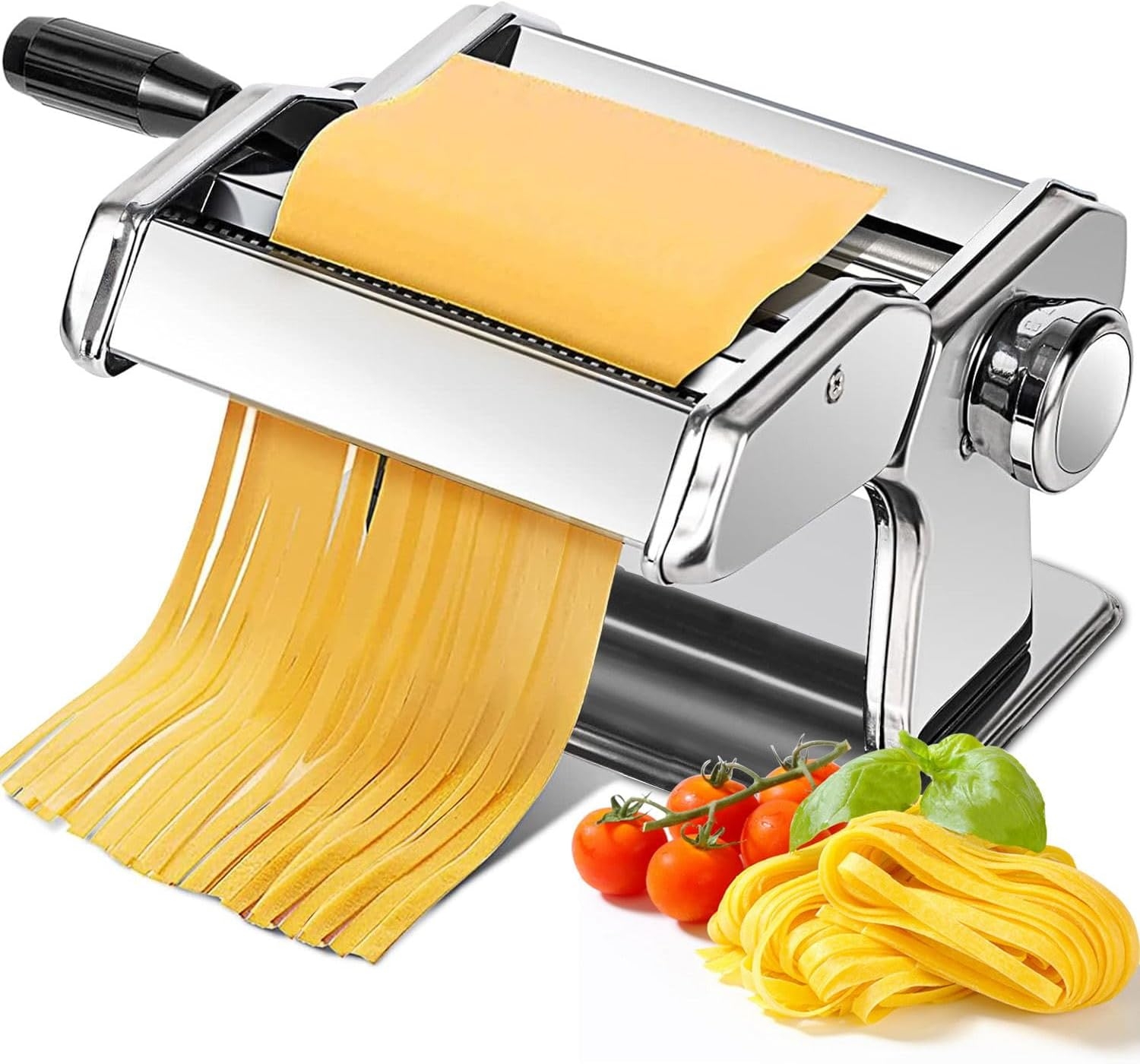
Getting noodles right is one of those kitchen pursuits that looks simple from the outside but rewards the people who pay attention to the details. Whether you are making a bowl of broth noodles for a quiet evening or preparing a larger spread for people you care about, the texture of the noodle matters enormously. China Electric Noodle Making Machine Manufacturers understand this well, and the growing interest in home noodle making reflects just how seriously people are taking their kitchen craft these days.
Chewiness in a noodle is not an accident. It comes from the gluten structure that develops when flour and water are combined and worked together properly. When that structure is strong and even, the noodle holds its shape during cooking and pushes back gently when you bite into it. When it is weak or uneven, the noodle turns soft and loses its character quickly. Everything you do before and during the machine process influences which outcome you get.
Start with the flour
The type of flour you choose sets the foundation for everything else. A flour with higher protein content encourages stronger gluten development, which translates directly into a chewier result. All purpose flour can work, but bread flour or a dedicated noodle flour will give you noticeably more bite. If you are experimenting, try adjusting the flour gradually rather than switching entirely all at once. Small changes teach you more than dramatic overhauls.
Water temperature is not a minor detail
Cold water slows gluten development, while warmer water encourages it to form more quickly. For chewy noodles, slightly warm water tends to produce a more cooperative dough that the machine can work evenly. Too hot, however, and the dough becomes sticky and difficult to handle. A temperature that feels comfortable on your wrist is a reliable starting point.
Hydration levels shape the final texture
A stiffer dough, meaning one with less water relative to flour, generally produces a chewier noodle. Wetter doughs are easier to mix but can yield a softer result. When using an electric noodle making machine, the motor handles the kneading consistently, which means you can work with a firmer dough that would be physically tiring to knead by hand. This is one of the genuine advantages of machine-assisted noodle making.
Let the dough rest
After mixing, giving the dough time to rest allows the gluten to relax and distribute evenly throughout the mass. Even a short rest period of around twenty minutes makes a noticeable difference in how smoothly the dough moves through the machine and how evenly the finished noodle cooks. Skipping this step is one of the more common reasons a noodle turns out tougher than expected rather than pleasantly chewy.
Pay attention to cooking time
Even a well made noodle can lose its appeal if it sits in boiling water too long. Fresh noodles cook significantly faster than dried ones, and pulling them out while they still have a slight resistance at the center, then letting carry-over heat finish the job, keeps that desirable chew intact. Taste as you go rather than relying on a fixed time.
Consider adding an egg
An egg introduced into the dough adds richness and contributes to a firmer, more elastic texture. Even a single egg mixed into a standard batch of flour and water can shift the outcome noticeably. Some cooks use only yolks for a richer color and denser chew, while others prefer the whole egg for a lighter result. Both approaches are worth trying depending on the dish you have in mind.
Noodle making at home is a skill that builds over time, and having a reliable machine removes one of the biggest variables from the process. For those interested in seeing the range of machines available, https://www.cnhaiou.com/product/ offers a useful starting point for matching the right equipment to your cooking habits.
 Greek
Greek
 English
 Arabic
 French
 Spanish
 Portuguese
 Deutsch
 Turkish
 Dutch
Dutch
 Italiano
 Russian
 Romaian
 Portuguese (Brazil)
