


 Ban & Monetization Policy
 MyLiveRoom Rewards Program Rules & Eligibility
Precision Analysis of Price Computing Scales: Ensuring Accuracy in Retail
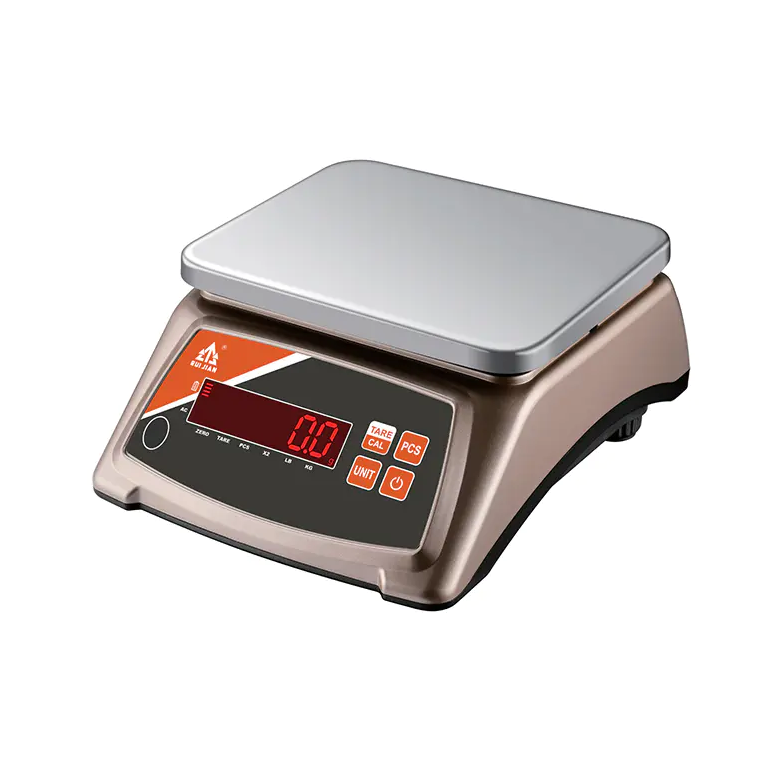
Price Computing Scales are vital components in modern retail operations, providing a seamless bridge between product weight and cost calculation. Their primary function is to measure the weight of items and automatically compute the price based on predetermined rates, ensuring consistency and accuracy in the billing process. This article delves into the intricacies of the precision offered by these scales, examining factors that contribute to their reliability and the technologies employed to enhance their accuracy.
The accuracy of Price Computing Scales is a critical parameter that directly impacts customer satisfaction and trust in a retail environment. These scales are expected to provide precise measurements to the nearest decimal place, ensuring that customers are charged correctly for the weight of the items they purchase. The precision of these scales is influenced by a variety of factors, including the quality of the sensors, the algorithms used for weight-to-price conversion, and the overall design of the scale.
One of the key components affecting the precision of Price Computing Scales is the type of sensor used. Modern scales often employ strain gauge or load cell technology, which offers high sensitivity and accuracy. These sensors detect even the slightest changes in weight, translating them into digital signals that are then processed by the scale's microprocessor. The quality of these sensors is paramount; a high-grade sensor can significantly improve the accuracy of the Price Computing Scales.
The microprocessor within the Price Computing Scales plays a crucial role in determining their precision. It is responsible for interpreting the signals from the sensors and converting them into a readable format. Advanced microprocessors can process these signals rapidly and accurately, reducing the margin of error in the weight calculation. Furthermore, they are capable of adjusting for external factors such as temperature and air pressure, which can affect the accuracy of the scales.
Another aspect contributing to the precision of Price Computing Scales is the calibration process. Regular calibration is essential to ensure that the scales remain accurate over time. Calibration involves adjusting the scale to match a known weight, which helps to correct any drift that may have occurred due to wear and tear or environmental factors. Retailers must follow a strict calibration schedule to maintain the precision of their Price Computing Scales.
The software that runs on Price Computing Scales also plays a significant role in their precision. This software contains algorithms that convert the weight measurements into price calculations. The sophistication of these algorithms can greatly affect the accuracy of the price computation. Advanced software can account for various product pricing structures and discounts, ensuring that the final price is calculated correctly.
In addition to the technical aspects, the precision of Price Computing Scales can also be influenced by their physical design. A stable and robust structure is necessary to prevent any movement or vibration that could affect the scale's accuracy. The placement of the scale also matters; it should be positioned on a level surface and away from drafts or sources of heat that could cause fluctuations in the readings.
The precision of Price Computing Scales is not just a technical achievement but also a reflection of the manufacturer's commitment to quality. High-precision scales are the result of rigorous engineering, stringent quality control processes, and ongoing research and development. Retailers who invest in high-precision Price Computing Scales can expect improved operational efficiency, reduced disputes over pricing, and ultimately, enhanced customer satisfaction.
In conclusion, the precision of Price Computing Scales is a multifaceted issue that encompasses sensor technology, microprocessor capabilities, calibration practices, software algorithms, and physical design. Retailers must consider all these factors when selecting Price Computing Scales for their operations. By doing so, they can ensure that their scales provide the accuracy necessary for fair and reliable product pricing, which is essential for maintaining a competitive edge in the retail market.
Direct Thermal/Built-in ticket printer
Double-sided display
150+custom buttons
 Spanish
 English
 Arabic
 French
 Portuguese
 Deutsch
 Turkish
 Dutch
Dutch
 Italiano
 Russian
 Romaian
 Portuguese (Brazil)
 Greek
Greek
