


 Ban & Monetization Policy
 MyLiveRoom Rewards Program Rules & Eligibility
Needle vs. Cannula: Why the Tool Matters for Safety
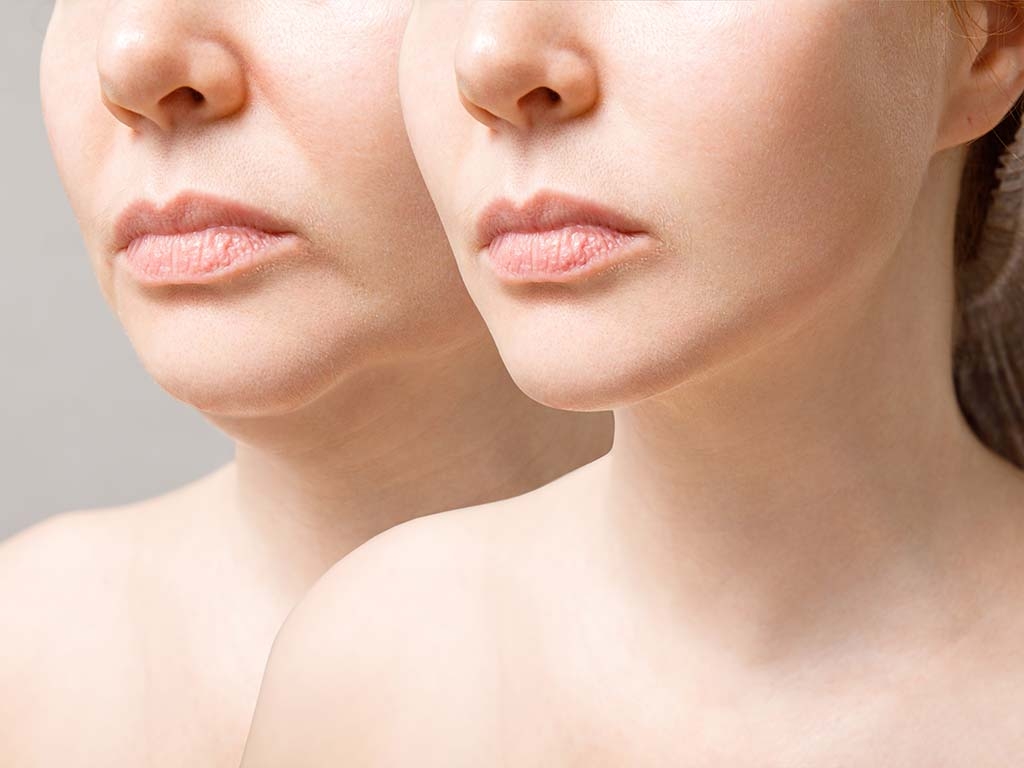
In the world of injectable treatments, the skill of the provider is paramount, but the tools they use play a massive role in safety and recovery. Traditionally, dermal fillers were injected using sharp hypodermic needles. While needles are still necessary for certain precise applications, the industry standard for safety has shifted toward the use of micro-cannulas. A cannula is essentially a long, flexible tube with a blunt, rounded tip. Unlike a needle, which slices through tissue, a cannula glides through it, pushing blood vessels and nerves aside rather than piercing them.
For the patient, the difference is profound. The use of cannulas significantly reduces the risk of bruising, swelling, and serious complications like vascular occlusion. It transforms the injection experience from a series of sharp pokes to a sensation of pressure, making the procedure far more comfortable.
Reducing Trauma and Downtime
Because a needle is sharp, every time it enters the skin, it cuts tiny vessels, leading to bleeding and bruising. A full-face treatment with needles might require 20 or 30 individual pokes. With a cannula, the injector makes a single tiny entry point with a small needle, and then inserts the long cannula through that hole. From that single entry point, they can reach the cheek, the under-eye, and the marina lines. This means fewer pokes, less trauma to the tissue, and a much faster social recovery. Patients receiving dermal fillers Oahu via cannula often report being able to go out to dinner the same evening without looking "done."
Vascular Safety
The most feared complication of dermal fillers is vascular occlusion—accidentally injecting filler into a blood vessel, which cuts off blood supply to the skin. A sharp needle can easily penetrate a vessel wall. A blunt-tipped cannula, however, will typically bounce off the vessel wall unless forced. This mechanical safety feature provides an extra layer of protection, particularly in high-risk areas like the nasolabial folds, the nose, and the temples. It allows the injector to work with confidence in deep tissue planes.
Precision and Smoothness
Cannulas are usually longer than standard needles, allowing for long, continuous threads of filler to be placed. This is ideal for areas like the jawline or cheeks where we want smooth, uninterrupted lines. With a needle, the injector has to place multiple "boluses" (dots) of filler and hope they blend together. With a cannula, they can paint the filler in a smooth stroke, resulting in a more natural contour with fewer lumps or irregularities.
When Needles Are Still Needed
Cannulas are not a replacement for needles in every scenario; they are a different tool for a different job. Sharp needles are still preferred for very precise, superficial work, such as defining the cupid's bow of the lip or treating fine etched lines. They are also used when placing filler directly onto the bone for maximum lift. A master injector knows exactly when to switch between the two to achieve the best aesthetic result with the highest safety profile.
Conclusion
The adoption of micro-cannulas represents a major leap forward in patient safety and comfort. By respecting the anatomy and utilizing blunt-tipped instruments, we can deliver beautiful, smooth results with significantly less risk and downtime. When choosing your provider, asking about their use of cannulas is a great way to gauge their commitment to safety.
Call to Action
Prioritise your safety and comfort; choose a clinic that utilizes advanced cannula techniques for dermal fillers.
 Portuguese
 English
 Arabic
 French
 Spanish
 Deutsch
 Turkish
 Dutch
Dutch
 Italiano
 Russian
 Romaian
 Portuguese (Brazil)
 Greek
Greek
