


 Ban & Monetization Policy
 MyLiveRoom Rewards Program Rules & Eligibility
Home vs. Commercial EV Charging: How Two Infrastructures Power the Future of Electric Mobility
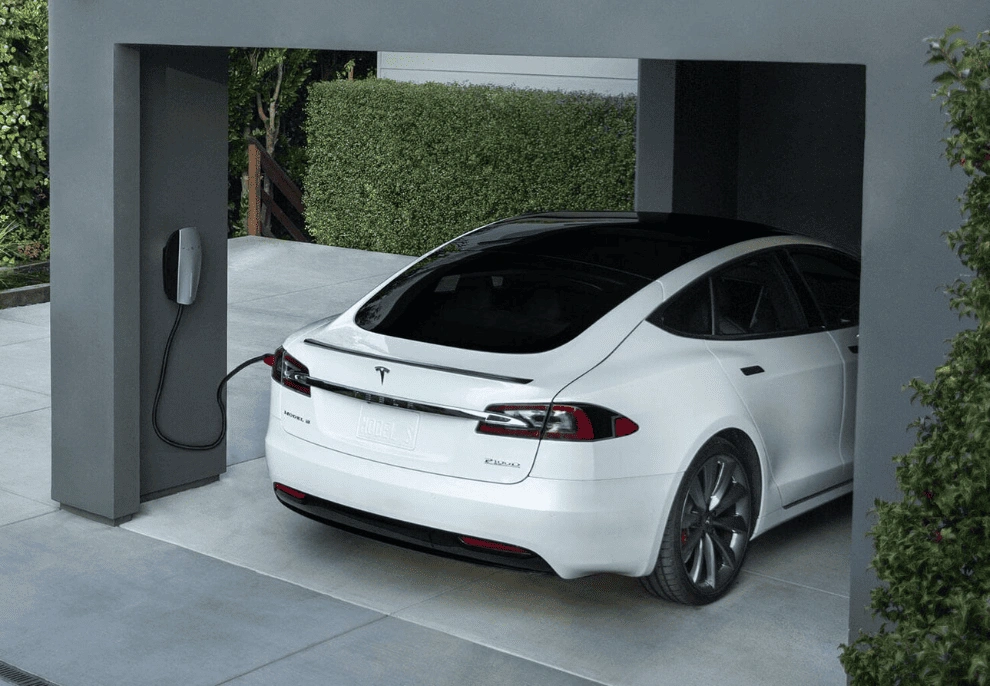
Electric vehicles are reshaping global transportation, and with them comes an urgent need for dependable, efficient charging infrastructure. As governments tighten emissions standards and consumers embrace cleaner mobility, the divide between residential and commercial EV charging has become a defining element of the modern energy landscape. Each serves a distinct purpose, operates under different technical constraints, and plays a unique role in supporting the broader electrification ecosystem.
Residential charging centers on personal convenience and predictable daily use, while commercial charging focuses on speed, scalability, and serving multiple users. Understanding these differences is essential for homeowners, businesses, developers, and policymakers planning long-term EV strategies.
Below is a reimagined, narrative-style exploration of both systems—how they work, what they cost, and why they matter.
🏡 Residential Charging: The Quiet Backbone of Daily EV Life
Home charging is the simplest and most reliable way for EV owners to keep their vehicles ready for everyday use. As the document notes, it mirrors the ease of “charging a smartphone,” offering predictable overnight replenishment that eliminates range anxiety for commuters .
Why Home Charging Works
-
Convenience: Plug in at night, wake up with a full battery.
-
Lower Costs: Installation is relatively affordable—typically $500 to $2,000—and many regions offer incentives to reduce the cost further .
-
Simple Installation: A certified electrician can often complete the setup in a few hours.
-
Cheaper Energy: Residential electricity rates and off‑peak pricing make home charging cost‑effective over time.
Limitations
Home charging isn’t universal. Apartment dwellers, older homes with limited electrical capacity, or households without dedicated parking may face barriers. And while Level 1 and Level 2 chargers are ideal for daily use, they cannot match the speed of commercial DC fast charging.
🏢 Commercial Charging: High‑Power Infrastructure for a Mobile Society
Commercial charging stations serve workplaces, retail centers, hotels, public parking, and fleet depots. They are built for throughput, accessibility, and operational control.
What Sets Commercial Charging Apart
-
Multiple Charging Points: Designed to serve many users simultaneously.
-
Higher Power Output: DC fast chargers can replenish a battery in 30–60 minutes, a critical advantage for high‑traffic locations .
-
Networked Management: Operators can monitor usage, set pricing, and manage energy loads.
-
Revenue Potential: Businesses can attract customers, increase dwell time, and generate income through pay‑per‑use or subscription models.
Challenges
Commercial installations require significant investment—Level 3 chargers can cost $10,000 to $40,000+ including electrical upgrades and permitting. They also demand ongoing maintenance, energy management, and careful site planning to ensure consistent utilization.
⚖️ Residential vs. Commercial: Two Systems, One Ecosystem
The document highlights several key distinctions between the two charging environments:
| Category | Residential Charging | Commercial Charging |
|---|---|---|
| Purpose | Personal convenience | Public access, speed, scalability |
| Cost | Low to moderate | High, but revenue‑generating |
| Power Output | Level 1–2 | Level 2–3 (fast charging) |
| Accessibility | Private | Multi‑user, public or semi‑public |
| Scalability | Limited by home electrical capacity | Designed for expansion |
| Maintenance | Minimal | Continuous monitoring and servicing |
These differences reflect their complementary roles: home charging supports daily routines, while commercial charging enables long‑distance travel, fleet operations, and public accessibility.
🌱 Economic, Technological, and Environmental Impacts
Both charging types contribute to the broader EV transition:
-
Economic: Homeowners save on fuel costs; businesses gain new revenue streams.
-
Technological: Smart chargers, load balancing, and renewable integration are advancing rapidly.
-
Environmental: Charging with renewable energy—especially when paired with home solar—reduces emissions significantly.
As the document notes, the expansion of charging infrastructure accelerates EV adoption and supports global climate goals .
🔮 The Road Ahead: A Hybrid Charging Future
The future of EV charging will not be an either‑or scenario. Instead, residential and commercial systems will evolve together, forming a hybrid ecosystem that supports every type of driver and every kind of journey. Smart grids, energy storage, and vehicle‑to‑grid technologies will further blur the boundaries between home and public charging, creating a more flexible and resilient energy landscape.
China manufacturer offers high-quality industrial products with competitive pricing and advanced production capabilities.
 Turkish
 English
 Arabic
 French
 Spanish
 Portuguese
 Deutsch
 Dutch
Dutch
 Italiano
 Russian
 Romaian
 Portuguese (Brazil)
 Greek
Greek
