


 Ban & Monetization Policy
 MyLiveRoom Rewards Program Rules & Eligibility
Structural Steel: Strength, Versatility, and Reliability in Construction
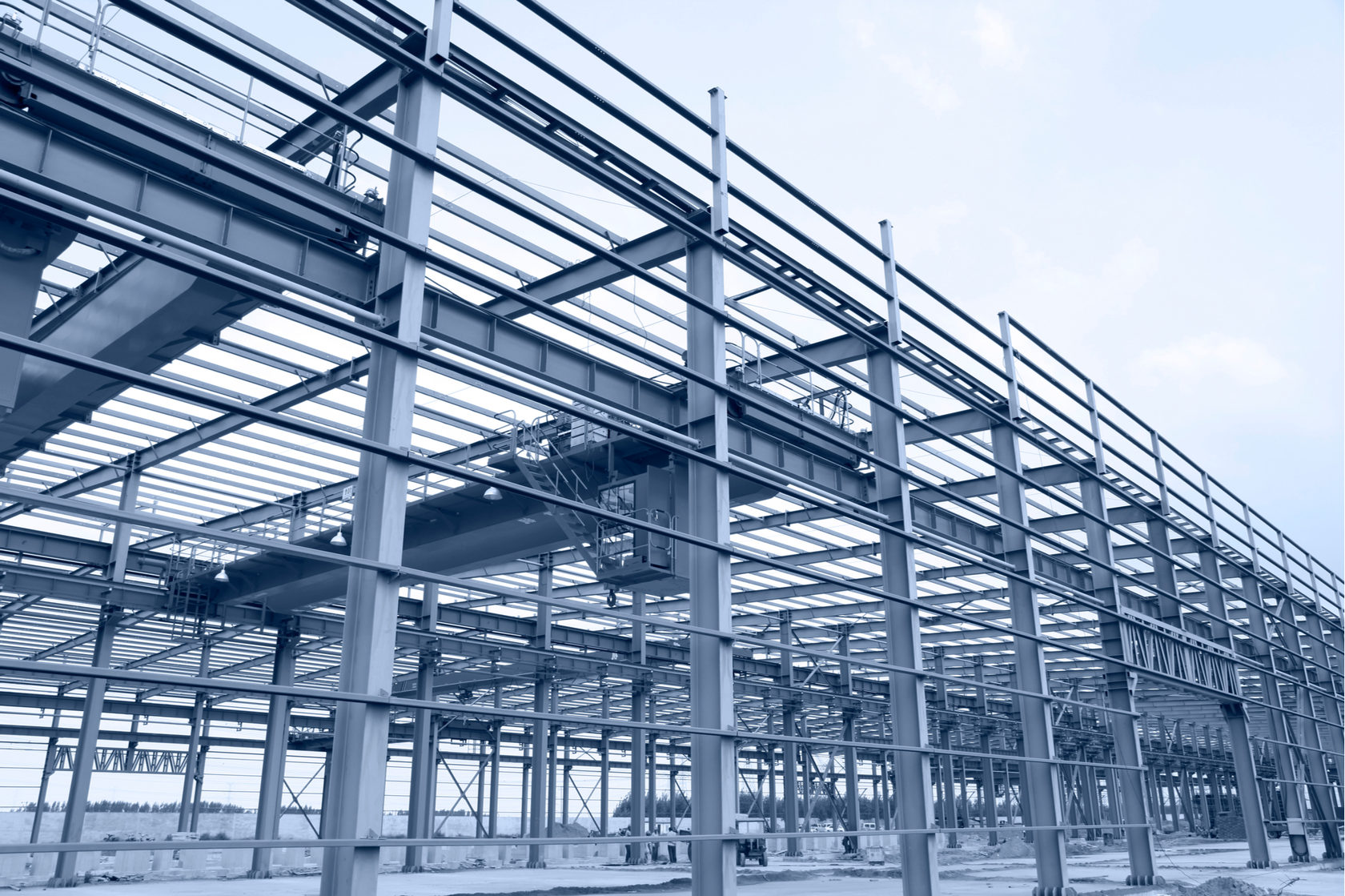
Structural steel is one of the most critical materials used in modern construction and engineering projects. Known for its high strength-to-weight ratio, excellent durability, and ease of fabrication, structural steel has become the backbone of buildings, bridges, towers, industrial facilities, and countless other structures around the world.
What Is Structural Steel?
Structural steel refers to a category of steel specifically manufactured to be used in the construction of load-bearing structures. It is designed to withstand high levels of stress and strain, offering unmatched stability and support. Structural steel is commonly formed into standardized shapes such as I-beams, H-beams, channels, angles, and hollow sections.
These standardized profiles ensure consistency, strength, and compatibility across construction systems. The steel is typically composed of iron and carbon, with added elements such as manganese, sulfur, phosphorus, and silicon to enhance its strength and resistance to corrosion or wear.
Properties of Structural Steel
Structural steel stands out for its combination of mechanical and physical properties that make it ideal for construction:
-
High Strength: Structural steel provides exceptional tensile and compressive strength, making it suitable for heavy loads and long spans.
-
Ductility: It can undergo deformation before failure, providing warning signs and increased safety during structural stress.
-
Toughness: Capable of absorbing energy without fracturing, structural steel is highly impact-resistant.
-
Weldability: Easily welded without compromising strength, making it versatile in fabrication.
-
Corrosion Resistance: With proper treatments like galvanizing or painting, it resists rust and corrosion effectively.
-
Recyclability: Structural steel is 100% recyclable, making it an environmentally sustainable choice for construction.
Types of Structural Steel
There are several types of structural steel products used in construction, each with specific applications:
-
Beams (I-beams, H-beams, Universal Beams)
These are the most commonly used elements in structural framing. They carry loads across spans and provide vertical support. -
Angles
Steel angles are L-shaped sections often used for bracing, framing, or as structural supports. -
Channels (C-channels or U-channels)
Channels are used in structural applications like wall studs, roof purlins, and lintels. -
Tubes and Hollow Structural Sections (HSS)
These provide a clean appearance and are widely used in architectural structures, bridges, and signposts. -
Plates and Sheets
Used in floor decking, base plates, and structural connections. -
Tees and Bars
Often used in complex connections or where specific load requirements must be met.
Applications of Structural Steel
Structural steel is integral to nearly every sector of construction and infrastructure. Its strength and versatility make it suitable for:
1. Commercial Buildings
Structural steel is used in high-rise towers, shopping centers, office complexes, and hotels. Its ability to span long distances without support columns allows for open interior spaces and creative design.
2. Industrial Structures
Factories, warehouses, plants, and storage facilities use structural steel frames for speed of construction, durability, and cost-effectiveness.
3. Residential Construction
While less common than in commercial builds, structural steel is increasingly used in residential homes, particularly in modern architectural designs where open spaces and large windows are prioritized.
4. Bridges
Steel's strength and flexibility make it ideal for large-span bridges. It can handle dynamic loads and varying weather conditions.
5. Infrastructure Projects
Structural steel is crucial in airports, stadiums, train stations, and other public facilities requiring large-scale frameworks.
6. Energy and Utility Structures
Power plants, transmission towers, oil and gas refineries, and wind turbines rely on structural steel for heavy-duty support.
Fabrication and Processing of Structural Steel
Structural steel fabrication involves cutting, bending, welding, and assembling steel components to create structural frameworks. The process includes several stages:
-
Design and Engineering Engineers and architects specify the steel types, dimensions, and connections required for the project.
-
Cutting Steel is cut using plasma cutters, oxy-fuel torches, or CNC machines to match the design.
-
Forming and Bending Some components require bending or rolling into curved shapes, often using hydraulic press brakes.
-
Welding Welding joins the steel sections together using techniques like MIG, TIG, or arc welding.
-
Assembly Steel parts are assembled into larger components or full frames, often in controlled factory settings.
-
Surface Treatment Steel may be painted, galvanized, or coated for corrosion resistance, depending on its final environment.
-
 English
 Arabic
 French
 Spanish
 Portuguese
 Deutsch
 Turkish
 Dutch
Dutch
 Italiano
 Russian
 Romaian
 Portuguese (Brazil)
 Greek
Greek
