


 Ban & Monetization Policy
 MyLiveRoom Rewards Program Rules & Eligibility
Herbal Tea: A Complete Guide to Natural Wellness and Better Health
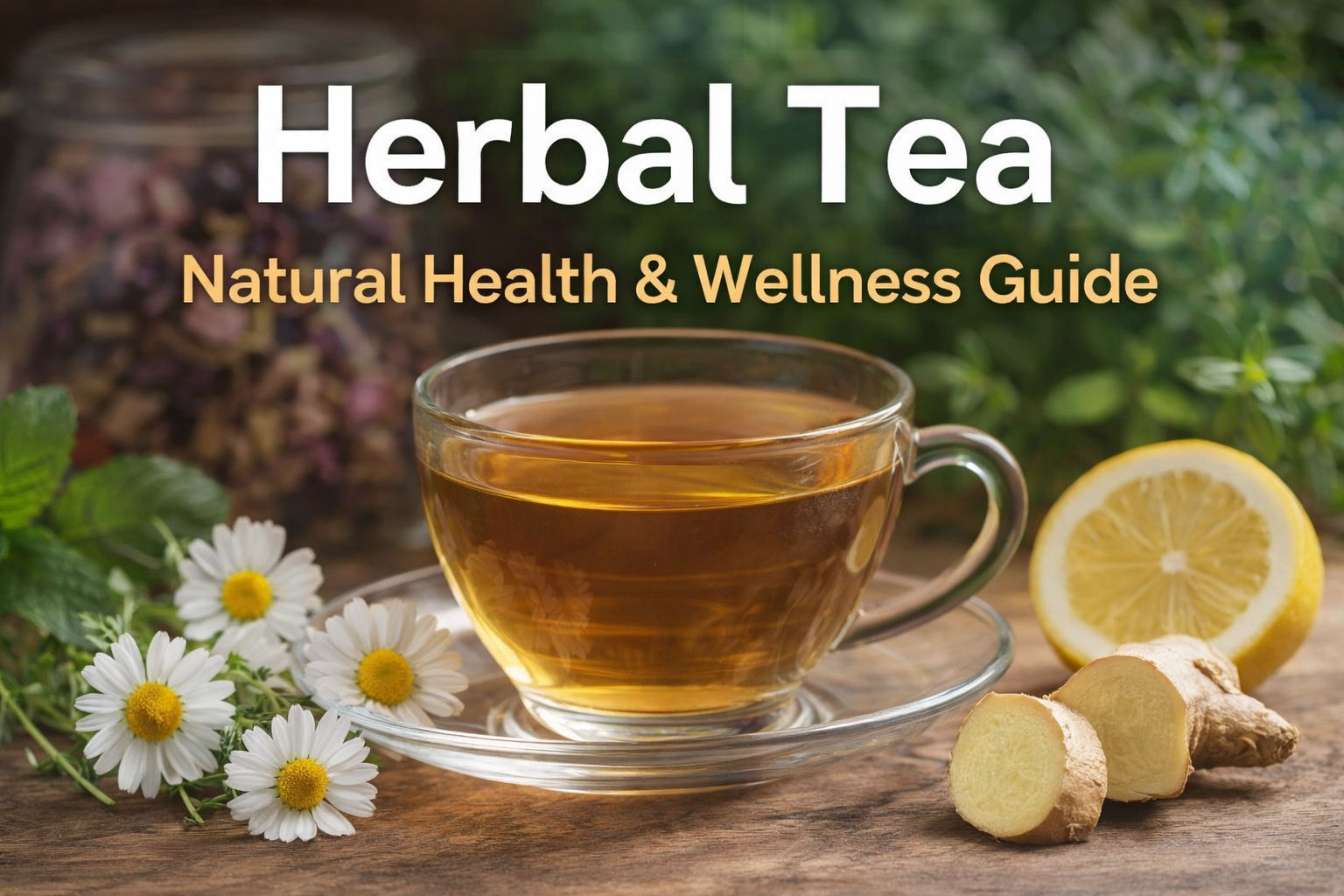
In today’s fast-paced world, many people are turning toward natural and simple ways to improve their health. One of the most popular and effective options is herbal tea. Known for its soothing taste and health benefits, herbal tea has been used for centuries in different cultures as a natural remedy for relaxation, digestion, immunity, and overall wellness.
Unlike traditional tea made from the Camellia sinensis plant, herbal tea is prepared using dried herbs, flowers, roots, fruits, or spices. Because of its natural composition, herbal tea offers a variety of benefits without the heavy caffeine content found in regular tea or coffee. This makes it an excellent choice for people looking for a healthier lifestyle.
In this guide, we will explore what herbal tea is, its benefits, popular types, how to prepare it, and why it has become a favorite natural wellness drink worldwide.
What Is Herbal Tea?
Herbal tea, often called herbal infusion or tisanes, is a beverage made by steeping herbs, flowers, seeds, roots, or fruits in hot water. Unlike green tea or black tea, herbal tea does not come from the tea plant and is typically caffeine-free.
Different herbs provide different health benefits. For example:
-
Chamomile helps promote relaxation and better sleep
-
Ginger supports digestion
-
Peppermint helps relieve stomach discomfort
-
Hibiscus supports heart health
Because of these natural properties, herbal tea has been widely used in traditional medicine systems such as Ayurveda, Traditional Chinese Medicine, and herbal therapy practices.
Health Benefits of Herbal Tea
1. Supports Relaxation and Reduces Stress
One of the most well-known benefits of herbal tea is its calming effect. Herbs like chamomile, lavender, and lemon balm are commonly used to reduce stress and anxiety.
Drinking a warm cup of herbal tea in the evening can help relax the body and mind after a busy day. Many people use herbal tea as a natural alternative to sleep aids.
2. Improves Digestion
Herbal tea is widely known for supporting healthy digestion. Ingredients such as ginger, peppermint, and fennel help reduce bloating, stomach discomfort, and indigestion.
After heavy meals, a cup of herbal tea can help the digestive system function more efficiently.
3. Strengthens the Immune System
Certain herbal teas contain antioxidants, vitamins, and minerals that support the immune system. Herbs such as echinacea, ginger, and turmeric are known to help the body fight infections and strengthen natural defenses.
Regular consumption of herbal tea can help maintain overall health and reduce the risk of seasonal illnesses.
4. Supports Heart Health
Some herbal teas are beneficial for cardiovascular health. For example, hibiscus tea is known to help regulate blood pressure and improve heart health.
Many herbal teas contain antioxidants that help protect cells from damage and support healthy circulation.
5. Promotes Better Sleep
Sleep problems are common in modern lifestyles. Herbal teas such as chamomile, valerian root, and lavender are widely used to promote better sleep.
These herbs have calming properties that help reduce restlessness and improve sleep quality naturally.
6. Helps with Detox and Body Cleansing
Certain herbal teas help the body eliminate toxins and support natural detoxification processes. Herbs such as dandelion, nettle, and ginger support liver health and help cleanse the body.
This is why herbal tea is often included in detox programs and wellness routines.
Popular Types of Herbal Tea
Chamomile Tea
Chamomile tea is one of the most popular herbal teas in the world. It is known for its calming and sleep-supporting properties.
Benefits include:
-
Reduces stress and anxiety
-
Improves sleep quality
-
Supports digestion
Peppermint Tea
Peppermint tea is refreshing and widely used to support digestion.
Benefits include:
-
Reduces bloating
-
Relieves stomach discomfort
-
Supports respiratory health
Ginger Tea
Ginger tea is widely known for its powerful health benefits.
Benefits include:
-
Improves digestion
-
Reduces nausea
-
Supports immune health
Hibiscus Tea
Hibiscus tea is known for its vibrant red color and tangy flavor.
Benefits include:
-
Supports heart health
-
Helps regulate blood pressure
-
Provides antioxidants
Lemon Balm Tea
Lemon balm tea is commonly used for relaxation and mental wellness.
Benefits include:
-
Reduces stress
-
Improves mood
-
Supports better sleep
Why Herbal Tea Is Becoming More Popular
In recent years, herbal tea has gained significant popularity as people become more interested in natural wellness solutions. Many individuals prefer herbal tea because it offers health benefits without artificial additives or high caffeine levels.
Some reasons why herbal tea is becoming more popular include:
-
Growing interest in natural health remedies
-
Increased awareness about caffeine intake
-
Desire for healthier beverage options
-
Demand for natural relaxation solutions
As more people focus on wellness and preventive healthcare, herbal tea continues to become a popular daily drink.
How to Prepare Herbal Tea
Preparing herbal tea is simple and does not require special equipment.
Basic Preparation Steps
-
Boil fresh water
-
Add dried herbs or herbal tea bags into a cup
-
Pour hot water over the herbs
-
Allow the tea to steep for 5–10 minutes
-
Strain the herbs if necessary
-
Enjoy your herbal tea
Optional ingredients such as honey, lemon, or cinnamon can be added to enhance the flavor.
Best Time to Drink Herbal Tea
The best time to drink herbal tea depends on the type of tea and your wellness goals.
Morning: Ginger or lemon herbal tea can help boost digestion and energy.
Afternoon: Peppermint tea can refresh the body and support digestion.
Evening: Chamomile or lavender tea can help promote relaxation and better sleep.
Because most herbal teas are caffeine-free, they can be enjoyed throughout the day without affecting sleep.
Herbal Tea and Daily Wellness Routine
Incorporating herbal tea into your daily routine is a simple way to improve overall health.
You can start your day with an energizing herbal infusion, enjoy a digestive herbal tea after meals, and end your day with a calming herbal blend.
This simple habit helps support relaxation, hydration, and natural wellness.
Tips for Choosing High-Quality Herbal Tea
When selecting herbal tea, it is important to choose high-quality products.
Consider the following tips:
-
Choose organic herbal tea when possible
-
Avoid artificial flavors and additives
-
Look for reputable brands
-
Check ingredient lists carefully
-
Choose natural ingredients
High-quality herbal tea ensures better flavor and maximum health benefits.
Are There Any Side Effects of Herbal Tea?
Herbal tea is generally safe for most people when consumed in moderation. However, some herbs may interact with medications or cause allergic reactions.
Important precautions include:
-
Consult a healthcare professional if you are pregnant or breastfeeding
-
Avoid excessive consumption
-
Check for herb allergies
When used responsibly, herbal tea is a safe and beneficial addition to a healthy lifestyle.
The Growing Trend of Herbal Tea in Wellness Culture
Today, herbal tea has become more than just a beverage. It is part of a broader wellness movement focused on natural health and mindful living.
Many people now include herbal tea in their self-care routines, meditation practices, and relaxation rituals.
From wellness cafés to online health stores, herbal tea is becoming widely available and appreciated for its health-supporting properties.
Conclusion
Herbal tea is a simple yet powerful way to support natural wellness. With its wide variety of flavors and health benefits, herbal tea has become a popular choice for people seeking healthier beverage options.
Whether you want to improve digestion, boost immunity, relax after a long day, or maintain overall wellness, herbal tea offers a natural solution.
By choosing high-quality herbal tea and incorporating it into your daily routine, you can enjoy both its soothing taste and its health-promoting benefits.
Herbal tea is not just a drink — it is a lifestyle choice that supports balance, wellness, and long-term health.
FAQ
1. What is herbal tea?
Herbal tea is a beverage made by steeping herbs, flowers, roots, or spices in hot water. It is usually caffeine-free and known for its health benefits.
2. Is herbal tea good for health?
Yes, herbal tea can support digestion, relaxation, immunity, and overall wellness depending on the herbs used.
3. Can herbal tea help with sleep?
Yes, herbal teas such as chamomile and lavender are known to promote relaxation and improve sleep quality.
4. Is herbal tea caffeine-free?
Most herbal teas are naturally caffeine-free because they are made from herbs rather than the tea plant.
5. How many cups of herbal tea can I drink daily?
Most people can safely drink 2–4 cups of herbal tea per day, depending on the type of herbs used.
6. Does herbal tea help digestion?
Yes, herbal teas like peppermint and ginger tea are known to support healthy digestion and reduce stomach discomfort.
7. Can herbal tea help with weight management?
Some herbal teas may support metabolism and digestion, which can help in maintaining a healthy weight when combined with a balanced diet.
8. What is the best herbal tea for relaxation?
Chamomile, lavender, and lemon balm teas are commonly used for relaxation and stress relief.
 Spanish
 English
 Arabic
 French
 Portuguese
 Deutsch
 Turkish
 Dutch
Dutch
 Italiano
 Russian
 Romaian
 Portuguese (Brazil)
 Greek
Greek
