


 Ban & Monetization Policy
 MyLiveRoom Rewards Program Rules & Eligibility
How Do New Food Brands Turn Kitchen Ideas Into Store Products
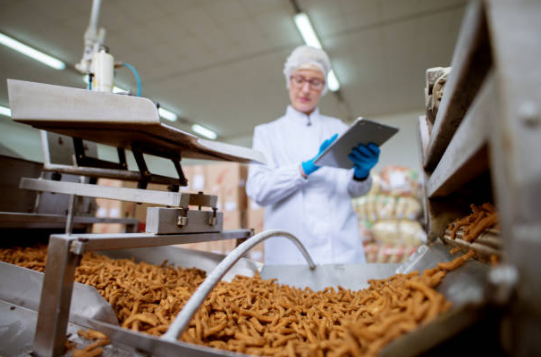
People love the romantic version of food businesses. Someone makes an incredible salsa, sauce, or snack in their kitchen. Friends try it. Everyone says the same thing. “You should sell this.”
And yeah, sometimes that spark leads somewhere real.
But most people don’t see what happens after that moment. Because the step between a good recipe and an actual retail product is… huge. Way bigger than most founders expect.
This is where food product development enters the conversation. Not as some fancy corporate process, but as the messy, practical work of turning an idea into something that can survive real-world production.
Recipes behave differently outside a home kitchen. Ingredients change when you buy them in bulk. Cooking temperatures shift in large equipment. Even the way flavors settle over time can surprise you.
So what starts as a simple idea quickly turns into testing, adjusting, fixing things that didn’t seem broken before.
Some founders love that challenge. Others get frustrated fast. Both reactions are normal.
Because building a product is very different from cooking dinner.

Scaling a Recipe Can Break What Made It Special
Here’s a thing that happens more often than people admit.
Someone builds a recipe that tastes incredible in small batches. Maybe they’re making two jars of sauce at a time. Or one tray of cookies. Everything feels balanced.
Then they try making hundreds of units.
Suddenly things go weird.
Spices feel stronger. Or weaker. Heat spreads differently in bigger cooking equipment. Even moisture levels shift when batches increase. What tasted perfect before might suddenly feel off.
That’s why food product development involves reformulation. Not because the original recipe was bad. Because large-scale production plays by different rules.
Consistency becomes the priority.
Retailers expect every jar, bottle, or package to taste exactly the same. Not “almost.” The same. Customers notice differences faster than brands think.
Which means developers often tweak ratios, cooking times, and ingredient preparation until the flavor stabilizes under commercial conditions.
It’s not glamorous work. But it’s necessary.
Shelf Life Questions Show Up Earlier Than Most Expect
A lot of founders focus on flavor first. Makes sense. If it doesn’t taste good, nothing else matters.
But eventually someone asks the practical question.
How long will it last?
That moment usually shifts the entire project.
Food product development has to consider storage, transportation, and time sitting on store shelves. A fresh sauce that tastes amazing today might spoil in three weeks. A snack bar might harden after two months.
Shelf stability becomes a serious technical issue.
Sometimes acidity levels need adjustment. Sometimes packaging needs oxygen barriers. Occasionally preservatives become part of the formula, depending on the type of product.
None of this is about cutting corners. It’s about safety and reliability.
If a product reaches customers in poor condition, the brand doesn’t get a second chance. People remember bad food experiences.
And they don’t come back.
Packaging Ends Up Doing More Work Than People Think
Most new brands start with packaging ideas based on appearance. Colors, logo placement, maybe a jar or pouch that feels trendy.
Then reality shows up.
Packaging affects almost everything during food product development. It influences shelf life, shipping costs, production speed, and even how retailers store the product.
Glass jars feel premium but they’re heavier. That increases transportation expenses. Flexible pouches reduce weight but may require specialized filling machines.
Small decisions start stacking up quickly.
Then there’s labeling. Nutrition panels. Ingredient declarations. Legal requirements around claims like organic or gluten-free.
These details sound boring until they slow down a product launch. Then suddenly they matter a lot.
Packaging isn’t just branding. It’s infrastructure that supports the entire product.

The Market Moves Faster Than Founders Expect
Food trends don’t stay still for long.
A few years ago, everyone talked about plant-based everything. Then fermented foods started trending again. Now consumers are curious about global flavors, spicy snacks, functional ingredients.
During food product development, founders often keep an eye on these shifts. Not to chase every trend. That’s exhausting and risky.
But understanding what customers are exploring helps shape smarter product decisions.
Maybe a sauce brand highlights regional chili varieties. Maybe a beverage incorporates botanical ingredients people recognize. Maybe a snack leans into bold seasoning profiles that stand out on shelves.
Innovation helps brands stay interesting.
Still, there’s a balance. If flavors feel too unfamiliar, shoppers hesitate. People like adventure… but not confusion.
Finding that middle ground is part of the craft.
Why Experienced Advisors Become Valuable
At some point many founders realize the learning curve is steep.
They understand cooking. They understand flavor. But manufacturing, ingredient sourcing, regulatory standards… those are different worlds.
This is where food and beverage consulting often enters the picture.
Consultants bring practical experience from projects that have already gone through the process. They’ve seen product launches succeed, and they’ve seen them fail for preventable reasons.
Sometimes their advice is simple. Adjust the formulation slightly so the product flows better during filling. Change packaging material to extend shelf life. Choose a different co-packer better suited for the recipe.
Those small decisions ripple through the entire business later.
Founders still control the vision. Consultants just help navigate the technical terrain so mistakes become less expensive.
And there will always be mistakes. That’s part of building anything new.
Manufacturing Introduces Its Own Set of Surprises
Producing food commercially is rarely as smooth as founders hope.
Ingredient supply becomes a constant variable. Maybe a spice harvest changes flavor intensity. Maybe a supplier runs short and substitutions become necessary.
Production equipment also has limits.
Some factories can’t process certain textures. Others require specific viscosity levels so products move correctly through machinery. Even packaging shapes can affect how quickly a production line runs.
That’s why food product development includes pilot production tests. Small-scale runs inside real manufacturing environments.
These tests expose problems early.
Maybe the sauce separates under high heat. Maybe the filling machine clogs because the product is thicker than expected. Maybe labels wrinkle when applied at speed.
Fixing those issues before a full launch saves money. A lot of it.
Retail Buyers Think Differently Than Founders
When founders taste their product, they think about flavor first. Retail buyers think about movement.
Will the product sell?
During food product development, smart brands start considering that perspective early. Who exactly is the target customer? Health-focused shoppers? Busy families? Specialty food enthusiasts?
The answer shapes pricing, branding, and shelf placement.
Retailers want products that fit clear categories. They want packaging that attracts attention quickly. They want a story they can explain to customers in one sentence.
Taste matters, absolutely. But it isn’t the only factor.
Buyers are constantly evaluating risk. Shelf space is limited. Products need a reason to exist in that environment.
Brands that understand this usually enter the market with stronger positioning.
Conclusion
The journey from kitchen idea to store shelf rarely follows a straight line. What begins as a simple recipe often evolves through testing, reformulation, packaging changes, and manufacturing adjustments.
That entire process falls under food product development, and it’s where most of the real work happens. Flavor is only the starting point. Stability, scalability, and market positioning determine whether the product actually survives in the industry.
For many founders, guidance from food and beverage consulting professionals helps shorten that learning curve. Experienced advisors bring insight into production systems, ingredient sourcing, and regulatory requirements that first-time entrepreneurs may not yet understand.
 Russian
 English
 Arabic
 French
 Spanish
 Portuguese
 Deutsch
 Turkish
 Dutch
Dutch
 Italiano
 Romaian
 Portuguese (Brazil)
 Greek
Greek
