


 Ban & Monetization Policy
 MyLiveRoom Rewards Program Rules & Eligibility
Can Kunli Wire Surface Finish Reduce Your TIG Defects
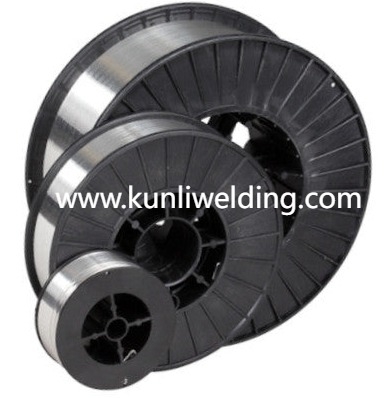
Precision welding with tungsten inert gas processes demands exceptional control over numerous variables influencing arc behavior and weld pool characteristics. Operators pursuing consistent quality in aluminum fabrication quickly discover that even minor factors can significantly impact arc stability and fusion quality. Aluminum TIG Wire Suppliers understand that surface finish on filler rods represents one such critical yet often underestimated variable, with surface condition directly affecting how smoothly wire feeds into the molten pool and how cleanly it melts without disrupting the delicate arc column.
Surface oxidation represents the primary concern affecting aluminum filler wire performance since naturally forming oxide layers possess substantially different properties than underlying base metal. These oxide films form rapidly when aluminum contacts atmospheric oxygen, creating thin but persistent barriers on wire surfaces. While some oxidation proves inevitable, excessive oxide layers create erratic melting behavior as the arc must penetrate through these higher melting point films before fusing the aluminum beneath. This sequential melting process generates fluctuations in arc resistance that manifest as audible crackling and visible arc wandering.
Contamination from handling oils, drawing lubricants, or atmospheric deposits compounds surface condition problems by introducing foreign materials into weld pools. Even invisible residue layers alter surface energy characteristics that affect how molten aluminum wets and flows around wire as it melts. Contaminated surfaces may cause beading or irregular melting patterns that translate into porosity or inclusion defects within completed welds. Operators working on critical applications quickly recognize connections between wire cleanliness and defect rates.
Manufacturing processes influence initial surface condition through factors including drawing die cleanliness, lubricant chemistry, and post production handling procedures. Wire drawn through worn or contaminated dies may acquire surface scratches or embedded particles that later disrupt arc stability during welding. Quality oriented manufacturers implement rigorous die maintenance schedules and controlled lubrication systems that minimize surface imperfections introduced during production operations.
Storage conditions after manufacturing affect how surface oxidation progresses before wire reaches welding applications. Exposure to humidity, temperature cycling, and atmospheric contaminants all accelerate surface degradation that compromises welding performance. Wire stored in damaged packaging or humid environments develops heavier oxide layers and contamination deposits that create arc stability challenges regardless of initial manufacturing quality.
Visual inspection provides preliminary surface condition assessment, with bright, consistent coloring indicating relatively clean surfaces while dull, discolored, or streaked appearances suggesting oxidation or contamination problems. Experienced welders develop judgment recognizing acceptable versus problematic surface conditions through accumulated observation of how various wire appearances correlate with welding behavior. However, subtle surface issues may escape visual detection yet still affect sensitive TIG applications.
Cleaning procedures before welding can mitigate surface condition problems though prevention through proper storage proves more effective than remediation. Wiping wire with clean cloths immediately before use removes handling residues and loose surface deposits. Some applications benefit from chemical cleaning using solvents or specialized aluminum cleaners, though residue removal becomes critical since cleaning agents themselves create contamination if not thoroughly eliminated.
Arc starting behavior provides immediate feedback about surface condition quality since contaminated or heavily oxidized wire creates difficult or inconsistent arc initiation. Clean wire allows smooth arc establishment with minimal spitting or hesitation, while problematic surfaces generate erratic starting accompanied by visible sparking and audible popping. Operators experiencing persistent starting difficulties should examine wire surface condition as potential contributing factors.
Pool disturbance during wire addition reveals surface condition effects on established arc stability. Clean wire melts smoothly into pools with minimal disruption to arc columns and weld pool flow patterns. Contaminated or oxidized wire creates visible turbulence as surface films break down, generating localized disturbances that propagate through weld pools as ripples or swirls. These disturbances affect bead appearance while potentially introducing defects through interrupted shielding or oxide entrapment.
Porosity formation connects directly to surface condition since oxide films and contaminants introduce gas sources and inclusion materials into weld pools. Clean surfaces minimize these defect sources, producing sound welds with reduced porosity tendencies. Fabricators experiencing persistent porosity despite proper shielding and base metal preparation should investigate wire surface quality as potential root causes.
Feeding characteristics through operator hands or guide tubes respond to surface condition through friction variations. Rough or contaminated surfaces generate higher friction that creates feeding resistance requiring increased push force. This resistance translates into less precise wire placement and potential hand fatigue during extended welding sessions. Smooth, clean wire surfaces allow effortless feeding that enhances operator control and reduces physical strain.
Bead appearance quality reflects surface condition effects through ripple regularity and surface texture. Clean wire produces uniform ripple patterns with smooth surfaces, while contaminated wire creates irregular textures and potentially dull or discolored appearances. Applications where cosmetic quality matters alongside structural integrity benefit significantly from attention to wire surface condition management.
Comparative testing using wire from different sources or storage conditions reveals surface finish impacts through direct performance comparisons. Welding identical joints with varying wire samples under controlled conditions isolates surface condition as a variable, demonstrating its effects on arc behavior and weld quality. These controlled comparisons provide objective evidence supporting investment in quality wire and proper storage practices.
Cost benefit analysis comparing premium wire with superior surface finish against cheaper alternatives with marginal surfaces typically favors quality materials through reduced defect rates and improved productivity. Time lost to arc starting difficulties, porosity rework, and appearance issues often exceeds any savings from lower consumable costs. Calculating total project costs including labor and quality expenses reveals true economics favoring clean, well maintained filler materials.
Supplier quality systems addressing surface finish control demonstrate commitment to delivering materials supporting consistent welding performance. Manufacturers implementing surface monitoring, controlled packaging, and freshness management provide greater assurance of acceptable surface conditions throughout supply chains. Fabricators seeking reliable TIG welding outcomes benefit from establishing relationships with suppliers prioritizing these quality dimensions. Organizations pursuing consistent aluminum TIG welding quality should evaluate wire surface condition alongside traditional composition and mechanical property specifications during material selection processes. Comprehensive technical resources addressing surface finish requirements and quality standards for precision welding applications are available at https://www.kunliwelding.com/product/ . Systematic attention to wire surface condition management through proper sourcing, storage, and handling procedures supports the arc stability essential for achieving demanding quality standards in aluminum TIG fabrication operations.
 Deutsch
 English
 Arabic
 French
 Spanish
 Portuguese
 Turkish
 Dutch
Dutch
 Italiano
 Russian
 Romaian
 Portuguese (Brazil)
 Greek
Greek
