


 Ban & Monetization Policy
 MyLiveRoom Rewards Program Rules & Eligibility
How Pre-Tax Benefit Programs Help Employers Lower Payroll Tax Costs
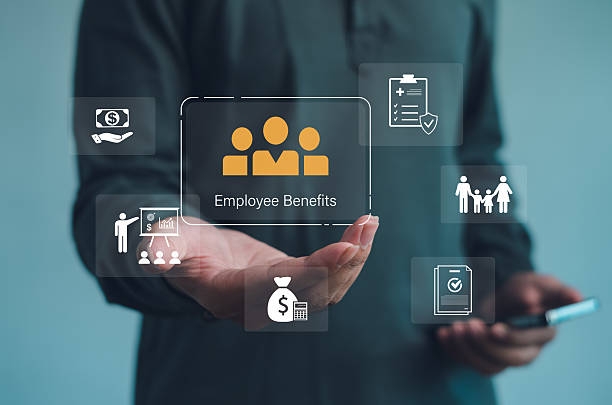
Most employers don’t start out thinking about tax-efficient benefit structures. In the beginning, they’re usually focused on hiring people, paying salaries, keeping operations running. The typical daily chaos of running a business. Taxes come later, often when the accountant starts pointing out missed opportunities.
That’s when conversations about pre-tax benefits start appearing. Someone mentions an irs section 125 plan during a payroll discussion, and suddenly the topic becomes interesting. Not because it’s trendy, but because it changes how compensation works.
The concept isn’t complicated once you see it in practice. Instead of employees paying certain expenses with after-tax income, the plan allows them to use pre-tax dollars. Health insurance premiums, dependent care costs, sometimes other qualified expenses. It reduces taxable income for employees and lowers payroll tax obligations for the company.
Sounds simple. But many businesses ignore it for years because they assume the setup will be complicated or expensive.
That assumption turns out wrong most of the time.
Once employers start learning how these plans work, they often realize the structure has been part of the U.S. tax code for decades. It’s not a loophole. It’s a legal benefit framework created specifically to encourage employer-sponsored benefits.
Which explains why discussions around other cafe 125 arrangements and similar cafeteria-style plans keep appearing in HR departments across different industries.

Why Pre-Tax Benefit Programs Actually Exist
Government tax policy tends to influence employer behavior more than people realize. The reason cafeteria plans exist in the first place goes back to the idea of making healthcare and certain benefits easier for employees to afford.
The irs section 125 plan structure was designed so workers could choose certain benefits without paying income tax on the portion of wages used to fund them. Instead of receiving that money as taxable salary, employees direct it toward approved benefit options.
For the worker, it means lower taxable income. Less federal income tax, sometimes lower Social Security and Medicare contributions too.
For employers, the savings appear in payroll taxes. When employee taxable wages drop, the employer’s matching tax obligations drop as well.
It’s one of those rare tax policies where both sides benefit at the same time.
That’s partly why other cafe 125 arrangements have become common across mid-size companies and larger organizations. Businesses realized they could offer stronger benefit packages without dramatically increasing overall compensation costs.
Still, some employers remain hesitant. Mostly because tax rules always sound complicated at first glance.
But once the structure is explained clearly, most HR managers realize it’s not nearly as mysterious as it sounds.
Understanding The Cafeteria Plan Concept
The phrase “cafeteria plan” sounds strange if you’ve never heard it before. It has nothing to do with food, obviously. The idea comes from the concept of choice.
Just like someone picking items from a cafeteria menu, employees can choose from a selection of benefit options. Health coverage, flexible spending accounts, dependent care support. Sometimes additional insurance products depending on the employer’s structure.
The irs section 125 plan provides the legal framework that allows those choices to be funded with pre-tax income.
Instead of receiving the entire salary as taxable wages, the employee allocates a portion toward approved benefits before taxes are calculated. That shift alone changes how much income is taxed each pay period.
Other cafe 125 structures operate under the same principle. Different providers, slightly different benefit options, but the basic system remains consistent. Employees select benefits that matter to them while reducing their taxable income at the same time.
What makes these plans particularly attractive is flexibility. Employees aren’t forced into one rigid benefit package. They can adapt selections depending on their family situation, healthcare needs, or financial priorities.
And for employers, offering that flexibility tends to improve overall satisfaction without dramatically increasing administrative burden.

Why Employers Often Save Money Too
The employee tax savings usually receive most of the attention. That’s understandable. Workers notice the difference when their take-home pay improves.
But employers benefit financially as well.
When wages are redirected into a qualifying irs section 125 plan, those amounts typically aren’t subject to employer payroll taxes. That includes Social Security and Medicare contributions tied to employee wages.
Multiply that reduction across an entire workforce and the savings can become significant.
Companies implementing other cafe 125 structures often discover that the payroll tax savings offset much of the plan’s administrative cost. Sometimes even exceeding it. Which explains why accountants frequently recommend these programs during financial reviews.
It’s not about reducing compensation. Employees still receive the same overall value. The difference lies in how that compensation is structured under the tax code.
For organizations with dozens or hundreds of employees, those adjustments can produce long-term financial advantages without cutting benefits or salaries.
That balance is exactly why these plans became popular across corporate America.
Employees Notice The Difference In Their Paychecks
Workers may not care about payroll tax strategy or IRS regulations. They care about what shows up in their bank account after payday.
When benefits are purchased with after-tax income, the employee pays taxes first and then covers the expense. With a properly structured irs section 125 plan, that order changes.
The money for qualifying benefits is set aside before taxes are calculated.
That adjustment alone can increase take-home pay slightly, even though the employee’s overall compensation hasn’t changed.
Other cafe 125 arrangements work in a similar way. Health insurance premiums, for example, often become more affordable because the employee is paying them with pre-tax dollars rather than taxed wages.
For families managing healthcare expenses or childcare costs, those savings accumulate over time.
Employees might not always understand the tax mechanics behind it. But they usually notice the difference in their monthly budget.
And when workers feel their employer is helping them stretch their income further, retention tends to improve too.
Compliance Still Matters More Than People Expect
Although cafeteria plans offer clear advantages, they still operate within specific IRS rules. Employers can’t simply label any benefit as pre-tax and assume it qualifies.
The irs section 125 plan framework requires written plan documents, eligibility guidelines, and nondiscrimination testing to ensure benefits are offered fairly across the workforce.
That last part often surprises companies.
The tax code prevents these plans from favoring only highly compensated employees. If a company designs a program that disproportionately benefits executives, the tax advantages may not apply.
Other cafe 125 programs must follow the same compliance structure. Plan documentation, enrollment procedures, and annual reporting requirements all play a role in maintaining the tax-advantaged status.
For most organizations, the administrative work is manageable with proper guidance from payroll providers or benefits administrators.
Still, ignoring compliance details can create problems later. That’s why experienced HR teams usually involve legal or tax professionals when implementing the plan initially.
It prevents headaches down the road.
Why Small Businesses Are Starting To Explore These Plans
Large corporations adopted cafeteria benefit programs decades ago. That part isn’t new. What’s changing now is the growing interest among smaller businesses.
Startup founders and mid-size company owners are realizing that offering an irs section 125 plan can make their benefits package more competitive without dramatically increasing payroll expenses.
Employees increasingly compare benefits when evaluating job offers. Health coverage, flexible spending accounts, childcare assistance — these things matter more than they used to.
Other cafe 125 structures give smaller employers the ability to compete with larger organizations by offering similar tax-efficient benefit options.
Technology helped accelerate this shift too.
Modern payroll platforms and benefits software make plan administration easier than it was twenty years ago. Enrollment systems, compliance tracking, reporting tools. Much of the complexity that once discouraged small employers has been simplified.
As a result, more companies are reconsidering how compensation and benefits work together under the tax code.
The Long-Term Value Of Smart Benefit Design
At the end of the day, employee benefits aren’t just about compliance or tax planning. They influence workplace culture, recruitment success, and long-term retention.
A well-structured irs section 125 plan does something simple but powerful. It allows employees to use their income more efficiently while helping employers manage payroll costs.
Other cafe 125 models extend that idea further by offering flexible benefit choices tailored to different employee needs.
Some workers prioritize healthcare coverage. Others focus on childcare support or flexible spending accounts for medical expenses. The cafeteria structure accommodates those differences without forcing everyone into the same benefit design.
When companies implement these programs thoughtfully, employees notice. They see that the employer is trying to make benefits practical, not just symbolic.
And that perception tends to strengthen workplace loyalty over time.
Conclusion
Pre-tax benefit programs have remained a key part of the U.S. tax and employee benefits system for decades. Structures such as the irs section 125 plan allow employees to pay for certain qualified benefits using pre-tax income, which reduces overall taxable wages.
For employers, these plans can lower payroll tax obligations while improving the attractiveness of their benefits package. Many businesses also explore other cafe 125 arrangements to provide flexible options that suit different employee needs.
Although implementation requires compliance with IRS guidelines and proper plan documentation, the long-term advantages often outweigh the administrative effort. Employees gain tax savings, employers manage compensation costs more effectively, and workplace benefits become more adaptable.
 Portuguese (Brazil)
 English
 Arabic
 French
 Spanish
 Portuguese
 Deutsch
 Turkish
 Dutch
Dutch
 Italiano
 Russian
 Romaian
 Greek
Greek
