


 Ban & Monetization Policy
 MyLiveRoom Rewards Program Rules & Eligibility
Why Impeller Aeration Improves Pond Oxygen Fast
Introduction: The Importance of Dissolved Oxygen in Aquaculture
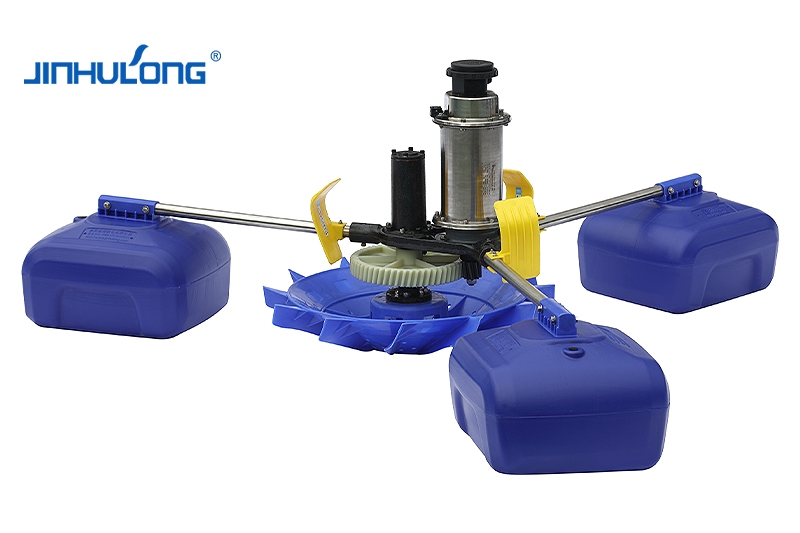
Dissolved oxygen is one of the most critical factors affecting aquatic life in ponds and aquaculture systems. Fish, shrimp, and other organisms rely on sufficient oxygen levels for respiration, growth, and overall health. When oxygen levels drop, stress and mortality can quickly occur, especially in high-density farming environments. This is why mechanical aeration equipment is widely used in modern aquaculture. Among the various aeration technologies available, the Impeller Aerator is known for its ability to rapidly increase dissolved oxygen levels and maintain water circulation in large ponds.
Mechanical Agitation Enhances Air–Water Contact
One of the main reasons an Impeller Aerator can quickly increase oxygen levels is its powerful mechanical agitation. The rotating impeller blades strike and lift water upward, creating turbulence on the surface. This turbulence dramatically increases the contact area between air and water. As water droplets are thrown into the air and fall back into the pond, more oxygen from the atmosphere dissolves into the water. Because this process occurs continuously and over a wide surface area, the rate of oxygen transfer is significantly higher than that of natural diffusion.
Strong Water Circulation Improves Oxygen Distribution
Another key factor behind the fast oxygenation effect is the strong circulation created by the rotating blades. The water near the surface is pushed outward while deeper water is drawn upward, forming a vertical mixing cycle. This movement ensures that oxygen-rich surface water is distributed evenly throughout the pond rather than remaining concentrated at the top layer. In many aquaculture systems, oxygen depletion occurs near the bottom due to organic decomposition and animal respiration. The circulation generated by the Impeller Aerator helps transport oxygen downward while bringing low-oxygen water upward for re-aeration.
Breaking the Thermal and Oxygen Stratification
In large or deep ponds, thermal stratification can occur, meaning the water forms layers with different temperatures and oxygen concentrations. The bottom layer often contains very little oxygen and may accumulate harmful gases such as ammonia or hydrogen sulfide. The powerful mixing action produced by this aeration method breaks these layers and blends the entire water body. Once stratification is reduced, oxygen becomes more evenly distributed, and the pond environment becomes more stable and suitable for aquatic organisms.
Increasing Oxygen Transfer Efficiency
The efficiency of oxygen transfer depends heavily on how quickly oxygen molecules can move from air into water. Mechanical aeration dramatically accelerates this process. The splashing and bubble formation created by the spinning blades produce numerous tiny air–water interfaces. Each interface provides an opportunity for oxygen molecules to dissolve. Compared with still water, this dynamic environment allows oxygen to enter the water much faster, which explains why oxygen levels can rise noticeably within a short period of time after aeration begins.
Supporting a Healthier Aquaculture Ecosystem
Beyond simply increasing oxygen levels, this type of aeration also improves the overall pond ecosystem. Continuous mixing prevents organic waste from accumulating in one area and helps beneficial microorganisms break down harmful substances more effectively. Better oxygen distribution supports healthier fish metabolism and reduces stress caused by low-oxygen conditions. As a result, aquaculture farms often experience improved growth rates, higher survival rates, and better water quality management.
Conclusion: A Key Tool for Efficient Pond Oxygenation
Rapid oxygenation is essential for maintaining a stable aquaculture environment, especially in intensive farming systems. Through strong mechanical agitation, enhanced air–water contact, and effective water circulation, this aeration technology can significantly accelerate oxygen transfer. Preventing stratification and distributing oxygen throughout the pond helps create a healthier aquatic environment and supports sustainable aquaculture production.
 Italiano
 English
 Arabic
 French
 Spanish
 Portuguese
 Deutsch
 Turkish
 Dutch
Dutch
 Russian
 Romaian
 Portuguese (Brazil)
 Greek
Greek
