


 Ban & Monetization Policy
 MyLiveRoom Rewards Program Rules & Eligibility
Comparing PE Garbage Bags with HDPE Options
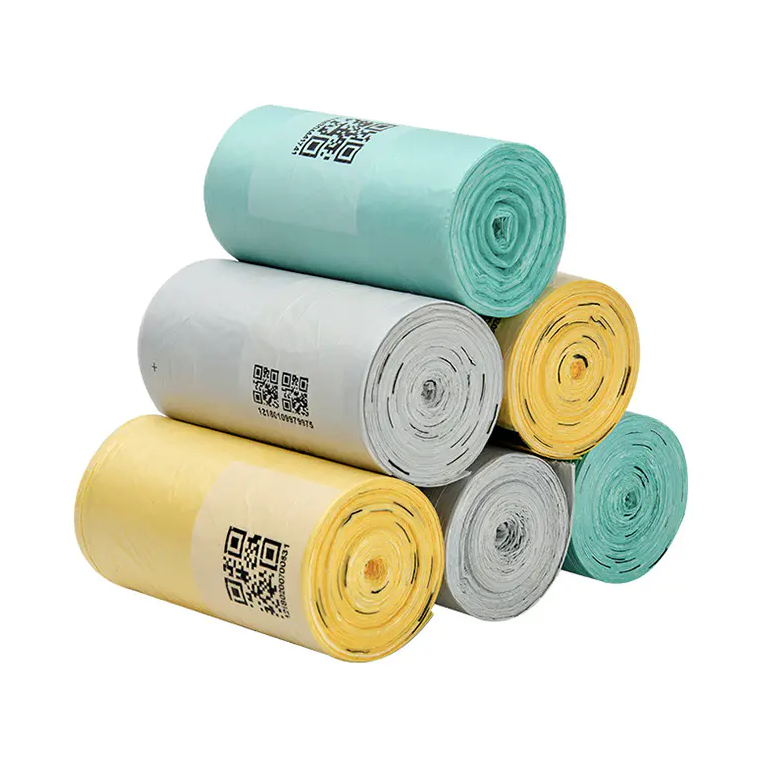
Introduction: Understanding Plastic Trash Bag Types
In the waste management and packaging industry, plastic trash bags are available in different materials, each with unique properties. PE Garbage Bags and HDPE (High-Density Polyethylene) bags are two common types widely used in households, offices, and industrial settings. While both are made from polyethylene, their molecular structures, thickness, flexibility, and application scenarios differ significantly. Understanding these differences helps consumers and businesses choose the most suitable trash bag for their needs.
Material Density and Structure
The primary difference between PE and HDPE garbage bags lies in their density. PE bags are typically made from low-density polyethylene (LDPE) or linear low-density polyethylene (LLDPE), giving them a softer and more flexible structure. HDPE bags, as the name suggests, are made from high-density polyethylene, resulting in a firmer, more rigid texture. This difference in density affects how the bags stretch, tear, and handle weight, making each type suitable for different uses.
Strength and Tear Resistance
PE garbage bags are known for their flexibility and stretchability, which allows them to absorb sudden impacts without easily tearing. This makes them ideal for everyday household use, where the bag may be overfilled or handle irregularly shaped trash. HDPE bags, on the other hand, have a higher tensile strength in a thinner form, making them resistant to punctures but less stretchable. This characteristic is beneficial for commercial or outdoor applications where the bag must remain intact under heavier or sharper waste loads.
Thickness and Weight Considerations
Typically, PE garbage bags are thicker than HDPE bags and feel softer to the touch. Their thickness provides a cushion effect for fragile items and makes them more versatile for a variety of waste types. HDPE bags are thinner and lighter, which can make them more cost-effective for large-scale disposal while still offering sufficient strength for regular trash. The difference in thickness also affects storage and transport, as HDPE bags occupy less space and weigh less in bulk.
Transparency and Appearance
Another distinction lies in the appearance and clarity of the bags. PE garbage bags are often clearer or semi-transparent, which can be useful for sorting waste or monitoring contents. HDPE bags are usually more opaque and have a crinkly texture, which provides a level of discretion for commercial or industrial use. This makes HDPE preferable when privacy or aesthetic considerations are important, such as in offices or public areas.
Typical Applications
PE garbage bags are widely used in households, kitchens, offices, and light-duty commercial settings due to their flexibility, softness, and thicker construction. HDPE bags are often used in outdoor bins, industrial waste collection, and environments where puncture resistance and cost efficiency are priorities. Understanding these typical applications helps consumers and businesses select the most suitable bag type for specific scenarios.
Choosing Between PE and HDPE Bags
Both PE and HDPE garbage bags offer valuable features depending on the intended use. PE Garbage Bags provide flexibility, thickness, and stretch, making them ideal for everyday household or office waste. HDPE bags offer puncture resistance, lower weight, and cost efficiency, making them suitable for commercial or industrial applications. By understanding these material differences, buyers can make informed decisions to ensure durability, convenience, and efficiency in waste management.
Colour: Various colors and transparent colors
Pattern: Customizable
Width: 10cm-60cm (customisable)
Height:10cm-60cm (customisable)
Thickness: 4 decimillimetre-8 decimillimetre (can be customized)
Material:PE
Process: Die-cutting
Product features: Waterproof and anti-corrosion, lightweight and easy to carry, low price, etc.
Application: Loading all kinds of domestic and industrial waste
 Turkish
 English
 Arabic
 French
 Spanish
 Portuguese
 Deutsch
 Dutch
Dutch
 Italiano
 Russian
 Romaian
 Portuguese (Brazil)
 Greek
Greek
