


 Ban & Monetization Policy
 MyLiveRoom Rewards Program Rules & Eligibility
Understanding the Mechanism Behind Acne Patches
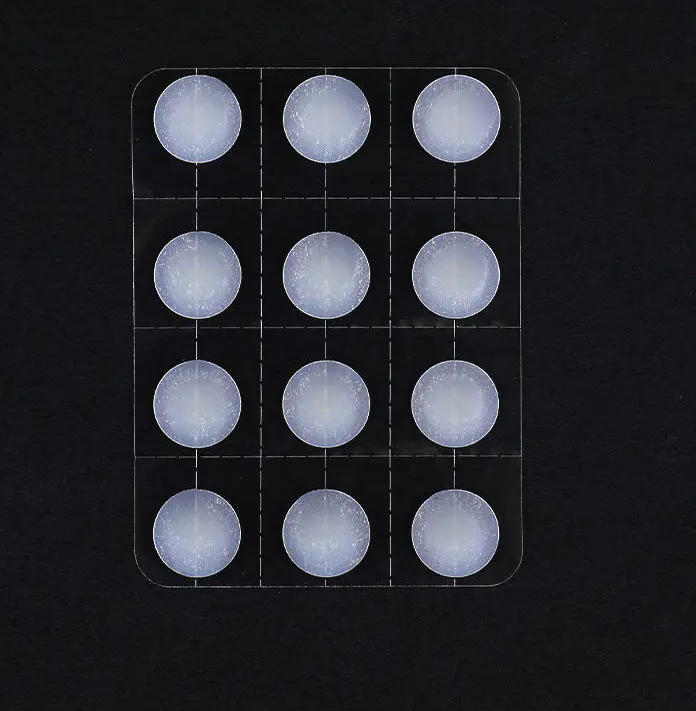
Introduction to Acne Patches
An Acne Patch is a small, often transparent adhesive patch that is placed over a pimple to help reduce its size and inflammation. While acne treatments have evolved over the years, acne patches have become increasingly popular due to their effectiveness and convenience. They are designed to treat pimples without the need for harsh chemicals, providing a more targeted and gentle solution. But how exactly do these patches work?
The Primary Function of an Acne Patch
The main purpose of an Acne Patch is to help heal acne by absorbing excess fluids and pus from the pimple. These patches are typically made from hydrocolloid material, which is known for its moisture-absorbing properties. When you place an acne patch on a pimple, it creates a protective barrier over the blemish. This barrier helps to keep bacteria, dirt, and other impurities from entering the pimple, thus preventing further infection or irritation.
The hydrocolloid material draws out the fluid from the pimple, helping to flatten and reduce its size. This process also prevents scabbing and reduces the risk of scarring, allowing the skin to heal more effectively and without further damage.
How Acne Patches Promote Healing
One of the key ways Acne Patches work is by creating a moist environment around the pimple. This environment promotes faster healing by preventing the skin from drying out, which can sometimes worsen acne or lead to scars. The moisture helps soften the outer layer of the pimple, encouraging the drainage of the pus and preventing it from becoming clogged again.
Furthermore, the acne patch protects the pimple from external elements such as pollution, makeup, and touching, all of which can introduce bacteria and lead to further breakouts. The patch acts as a physical shield that keeps the pimple safe while the body works to heal it. This makes the process of healing both faster and cleaner.
Reducing Inflammation and Redness
In addition to absorbing fluid, many acne patches contain active ingredients that target the underlying causes of acne. For example, some patches are infused with salicylic acid, which helps exfoliate the skin and unclog pores, or tea tree oil, known for its antibacterial properties. These ingredients can further reduce inflammation and redness, making the pimple less noticeable while accelerating healing.
By delivering these ingredients directly to the pimple, Acne Patches provide a more targeted treatment compared to creams or lotions, which may spread to surrounding healthy skin. This direct application ensures that the active ingredients work efficiently and that the surrounding skin remains unaffected by harsh chemicals.
When and How to Use Acne Patches
To maximize the effectiveness of an Acne Patch, it should be applied to a clean and dry face. Gently cleanse the affected area to remove dirt, oils, and any other impurities that could interfere with the patch’s function. Then, apply the patch directly over the pimple, making sure it adheres securely. Acne patches are typically left on for several hours or overnight, allowing time for the materials to work.
It's important to note that Acne Patches are most effective on active pimples that have already formed a whitehead or have visible fluid. They are not intended to prevent acne before it appears or treat cystic acne, which is deeper and may require more intensive treatment.
An Acne Patch is an innovative and effective way to treat pimples by providing a moisture-retentive environment that accelerates healing, reduces inflammation, and protects the blemish from further irritation. By using a combination of hydrocolloid technology and sometimes additional active ingredients, acne patches offer a simple yet powerful solution for individuals looking to treat their acne without the need for harsh topical treatments. With consistent use, acne patches can help improve the appearance of your skin and reduce the likelihood of scarring, making them a valuable addition to your skincare routine.

 English
 French
 Spanish
 Portuguese
 Deutsch
 Turkish
 Dutch
Dutch
 Italiano
 Russian
 Romaian
 Portuguese (Brazil)
 Greek
Greek
