


 Ban & Monetization Policy
 MyLiveRoom Rewards Program Rules & Eligibility
Tips for Accurate Cuts with Scissor Band Saw
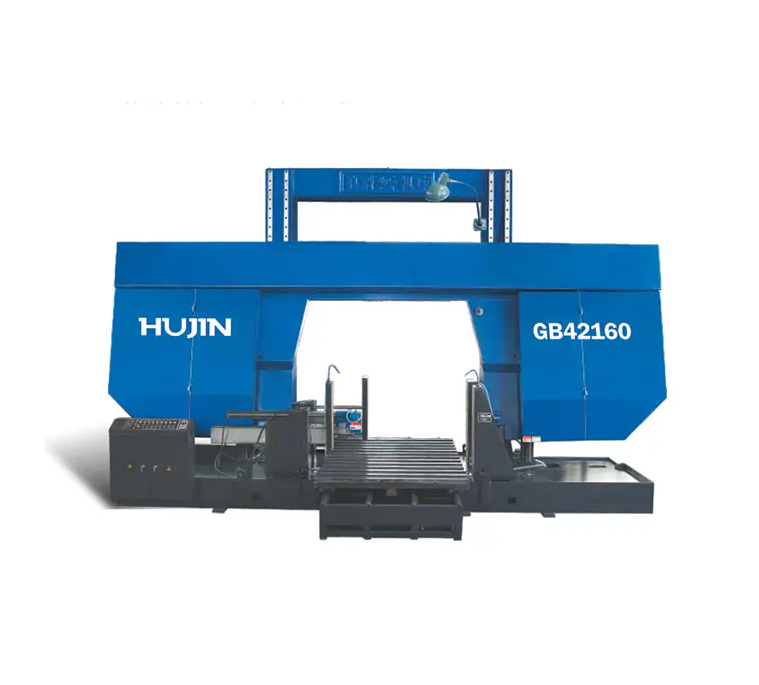
How to Avoid Cutting Errors with Scissor Band Saw
A Scissor Band Saw is an essential tool for precision cutting in various industries, including metalworking and woodworking. However, to ensure high-quality, accurate cuts, it is crucial to minimize cutting errors during operation. By understanding the factors that contribute to inaccuracies and taking the proper steps to address them, users can significantly improve their cutting performance.
Proper Blade Tension and Alignment
One of the main causes of cutting errors when using a Scissor Band Saw is improper blade tension and alignment. A blade that is too loose can cause inconsistent cuts, while a blade that is too tight can lead to unnecessary strain on the motor and inaccurate cutting. To avoid this, always check the blade tension before starting the cutting process and adjust it according to the manufacturer’s guidelines.
Additionally, ensure the blade is correctly aligned with the cutting path. Misalignment can cause the saw to veer off course, resulting in uneven or angled cuts. Regularly inspect the saw's alignment, making small adjustments when necessary to keep the blade running true.
Blade Selection and Maintenance
The selection of the correct blade for the material being cut is another important factor in preventing cutting errors. Scissor Band Saw blades come in various materials and configurations, each designed for specific tasks. For example, bi-metal blades are ideal for cutting metal, while carbon steel blades work best for wood or softer materials. Using the wrong blade type for the material can lead to poor cutting results.
In addition to selecting the right blade, proper blade maintenance is essential. Regularly clean and inspect the blade for signs of wear or damage. A dull or worn-out blade can cause jagged edges, uneven cuts, or even blade failure. Sharpen or replace the blade as needed to maintain consistent cutting quality.
Correct Material Positioning and Feed Rate
Improper material positioning can also result in cutting errors. When using a Scissor Band Saw, ensure that the material is properly secured and aligned with the cutting path. Any shifting or movement of the material during cutting can cause inaccuracies. Use clamps or other secure fastening methods to hold the material in place and prevent movement during the cutting process.
Furthermore, adjusting the feed rate is crucial for maintaining accuracy. A feed rate that is too fast can cause the blade to bind, resulting in uneven cuts or even damaging the material. Conversely, a feed rate that is too slow can lead to overheating and premature blade wear. Adjust the feed rate according to the material and the type of cut being made to ensure a smooth, consistent cutting process.
Avoiding cutting errors with a Scissor Band Saw requires attention to several key factors, including blade tension, alignment, selection, and material positioning. By regularly maintaining the machine and carefully monitoring the cutting process, operators can minimize inaccuracies and achieve clean, precise cuts every time. Proper preparation and technique are the key to making the most of this versatile cutting tool.
Cutting Capacity(mm): Round Φ800 Plate 800x1000
Blade speed(m/min): 15~60
Blade Size(mm): 1.6*80*8700
Motor main output(kw): 11
Hydraulic(kw): 2.2
Coolant pump(kw): 0.125
Machine Size(LxWxH)(mm): 4200*1800*2400

 English
 French
 Spanish
 Portuguese
 Deutsch
 Turkish
 Dutch
Dutch
 Italiano
 Russian
 Romaian
 Portuguese (Brazil)
 Greek
Greek
