In today’s evolving healthcare landscape, the demand for compassionate and skilled caregivers is steadily increasing. As populations age and healthcare needs become more complex, families and medical institutions rely heavily on trained professionals who can provide both emotional support and practical care. Caregiving is no longer limited to basic assistance; it now requires specialized knowledge, adaptability, and strong communication skills.
What Is Caregiver Education and Training?
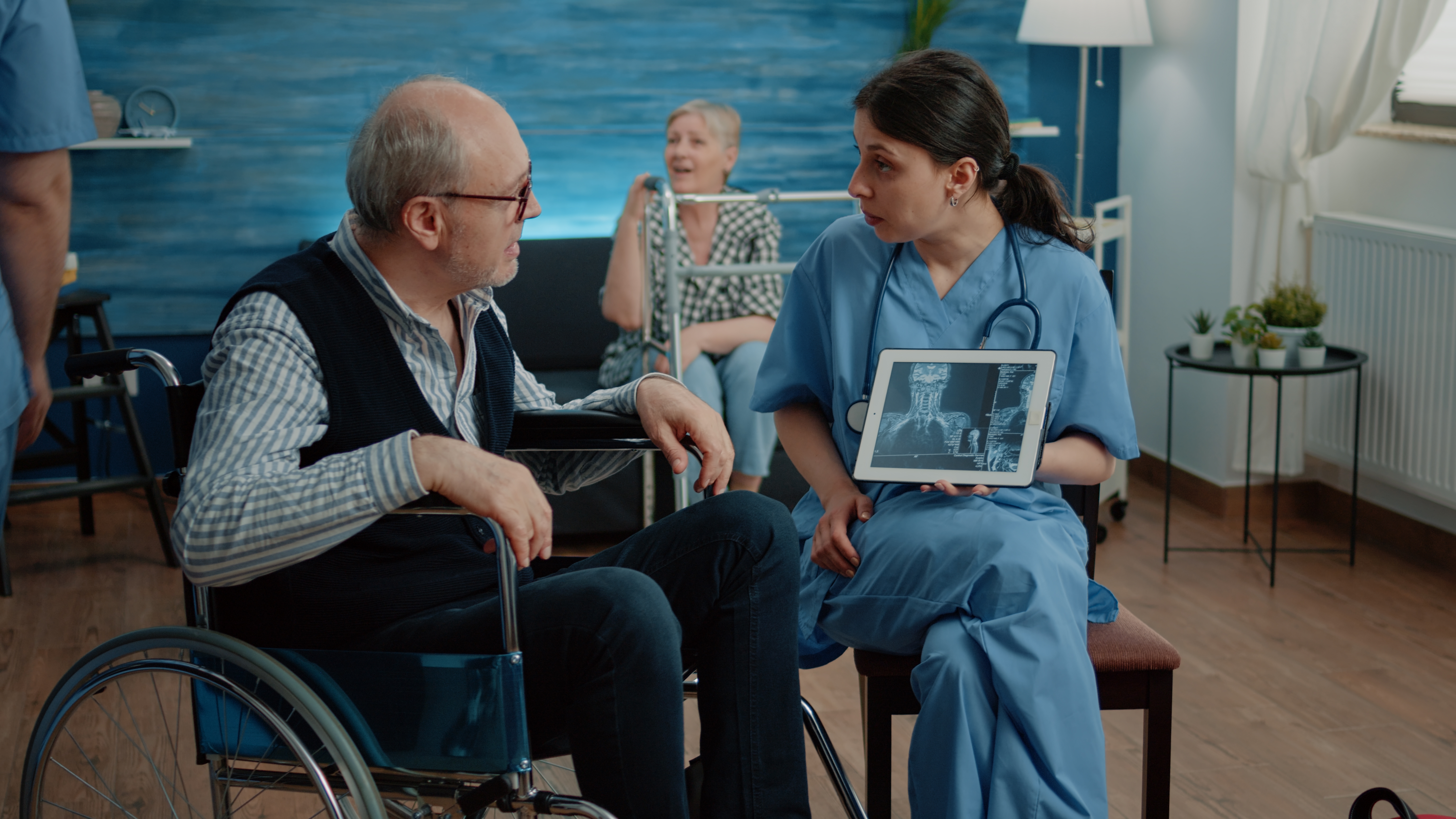
Caregiver education and training programs are designed to equip individuals with the knowledge and hands-on skills necessary to provide effective care. These programs cover a wide range of topics, including personal care techniques, patient safety, infection control, and basic medical procedures. In addition to physical care, training also emphasizes emotional intelligence, enabling caregivers to support patients with empathy and respect.
Through structured learning and practical experience, caregivers gain confidence in handling real-life situations. Whether working in private homes, assisted living facilities, or hospitals, trained caregivers are better prepared to meet the diverse needs of patients.
Understanding Medical Vocational Courses
Medical vocational courses play a vital role in preparing individuals for careers in healthcare. These courses focus on skill-based learning, offering practical training that aligns with real-world job requirements. Unlike traditional academic programs, vocational courses are designed to be career-oriented, allowing students to enter the workforce quickly with relevant expertise.
Subjects often include anatomy basics, patient care techniques, first aid, and healthcare ethics. Many programs also incorporate hands-on training, giving students the opportunity to apply what they learn in supervised settings. This approach ensures that graduates are not only knowledgeable but also capable of delivering quality care.
Benefits of Professional Training for Caregivers
One of the primary advantages of caregiver education is the improvement in the quality of care provided. Trained caregivers can perform tasks more efficiently and safely, reducing the risk of errors or injuries. They are also better equipped to recognize changes in a patient’s condition and respond appropriately.
Professional training also enhances career opportunities. With the right qualifications, caregivers can access a wider range of job roles and potentially earn higher wages. Additionally, structured education builds confidence, helping caregivers feel more competent and prepared in their daily responsibilities.
The Role of Hands-On Learning
Practical experience is a key component of effective caregiver training. Hands-on learning allows individuals to practice essential skills in a controlled environment before applying them in real-world situations. This experiential approach bridges the gap between theory and practice, ensuring that caregivers are fully prepared for the challenges they may face.
Simulation exercises, supervised practice sessions, and real-life case studies all contribute to a well-rounded learning experience. By engaging directly with caregiving tasks, trainees develop critical thinking and problem-solving skills that are essential in healthcare settings.
Career Opportunities in Caregiving
Completing caregiver education and medical vocational courses opens the door to a variety of career paths. Graduates may work as home health aides, personal care assistants, or support staff in healthcare facilities. With additional training and experience, they can advance into specialized roles or pursue further education in nursing or allied health fields.
The flexibility of these career options makes caregiving an attractive choice for individuals seeking meaningful and stable employment. It also offers the opportunity to make a positive impact on the lives of others, which is one of the most rewarding aspects of the profession.
FAQs
What skills are taught in caregiver training programs?
Caregiver training programs typically include personal care techniques, patient safety, communication skills, infection control, and basic medical procedures.
Who can enroll in medical vocational courses?
Most courses are open to individuals interested in healthcare careers, including beginners and those looking to upgrade their skills.
How long do these training programs take?
The duration varies depending on the course, but many programs can be completed within a few weeks to several months.
Are these courses suitable for career changers?
Yes, medical vocational courses are ideal for individuals seeking a career change, as they focus on practical skills and quick entry into the workforce.
Do these programs include hands-on training?
Many reputable programs offer practical training sessions, allowing students to gain real-world experience under supervision.
Conclusion
Caregiver education and medical vocational training are essential in building a strong and reliable healthcare workforce. These programs not only equip individuals with practical skills but also foster compassion, confidence, and professionalism. As the demand for quality care continues to grow, investing in proper training becomes increasingly important. Organizations like Breakthrough Healthcare are playing a crucial role in empowering caregivers through education, helping them deliver exceptional care while building meaningful and rewarding careers.



 Ban & Monetization Policy
 MyLiveRoom Rewards Program Rules & Eligibility
 Spanish

 English
 Arabic
 French
 Portuguese
 Deutsch
 Turkish
 Dutch
Dutch
 Italiano
 Russian
 Romaian
 Portuguese (Brazil)
 Greek
Greek