


 Ban & Monetization Policy
 MyLiveRoom Rewards Program Rules & Eligibility
Aluminum Guide Roller vs. Other Materials: Key Differences
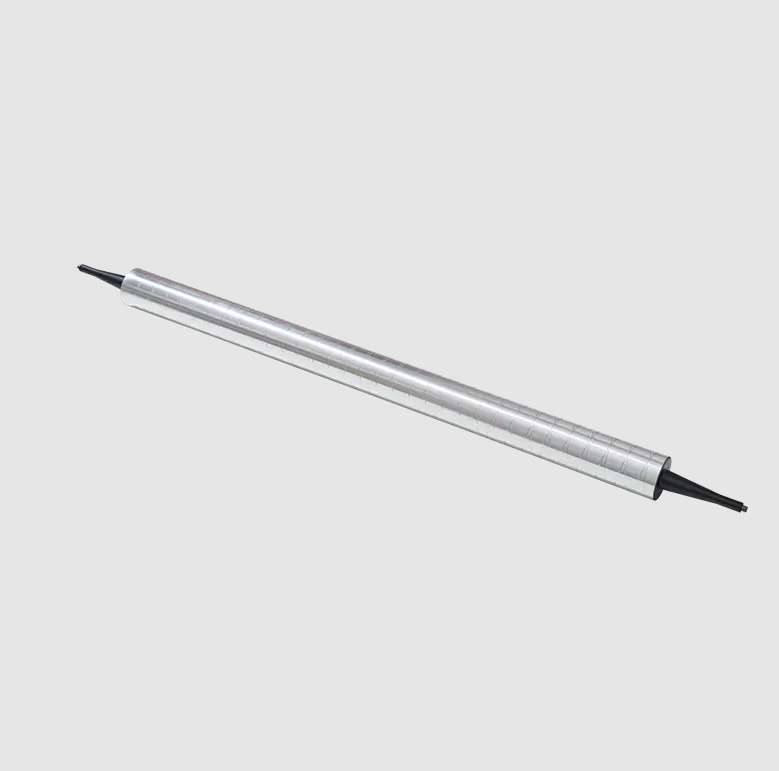
What Sets Aluminum Guide Rollers Apart from Other Materials?
Aluminum guide rollers are increasingly popular in various industrial and automation applications due to their unique combination of strength, weight, and corrosion resistance. But how do they compare to other materials commonly used in roller production, such as steel, plastic, or stainless steel? This article explores the key differences between Aluminum Guide Rollers and those made from other materials, highlighting their advantages and considerations for different uses.
Weight and Strength
One of the most significant advantages of an Aluminum Guide Roller over other materials is its lightweight nature. Aluminum is much lighter than steel, stainless steel, or some plastic composites, which reduces the overall weight of the machinery and components in which the roller is used. This lightweight feature is especially beneficial in systems requiring frequent movement or high-speed operations, as it reduces inertia and improves efficiency.
However, aluminum is generally less strong than steel or stainless steel, which can limit its use in high-load applications. While Aluminum Guide Rollers can perform excellently in applications with lighter loads or those that don’t require extreme durability, they may not be ideal for heavy-duty environments where high stress and weight are involved. Steel or stainless steel rollers, on the other hand, offer greater strength and durability, making them the better choice for more demanding tasks.
Corrosion Resistance
Another important distinction between Aluminum Guide Rollers and other materials is their corrosion resistance. Aluminum has a natural oxide layer that protects it from rust and corrosion, especially when exposed to moisture or outdoor conditions. This makes aluminum a great choice for applications in harsh environments, including outdoor systems or environments prone to exposure to water or chemicals.
While stainless steel also provides excellent corrosion resistance, it can be more expensive and heavier than aluminum. Steel rollers may require additional coatings or maintenance to prevent rust, particularly in environments where moisture is a concern. Plastics, on the other hand, are inherently resistant to corrosion but may not offer the same strength or temperature tolerance as metal rollers.
Durability and Wear Resistance
While aluminum provides great corrosion resistance, it is generally more susceptible to wear and tear over time compared to steel or stainless steel. Aluminum is softer, which can lead to faster degradation under heavy load or abrasive conditions. Steel or stainless steel rollers are much harder and can handle high-friction environments without losing their shape or functionality.
In contrast, Aluminum Guide Rollers excel in lighter-duty applications where wear and tear are less of a concern. They are ideal for systems involving low to moderate speeds and pressures, offering a good balance of performance, ease of handling, and cost-effectiveness.
Cost and Maintenance
Aluminum rollers are typically more cost-effective than stainless steel or steel rollers, which is an important consideration for industries that need to balance performance with budget. Aluminum’s lower cost, combined with its lightweight properties and corrosion resistance, makes it a popular choice for a wide variety of general-purpose applications.
In terms of maintenance, Aluminum Guide Rollers are easier to handle and maintain due to their lighter weight and resistance to corrosion. However, in applications where the roller faces high loads, metal rollers may require periodic checks for wear or damage, especially if they are subjected to abrasive conditions.
Aluminum Guide Rollers offer a unique set of benefits, including lightweight construction, corrosion resistance, and cost-effectiveness, making them an excellent choice for moderate-duty applications. However, for heavy-duty, high-stress environments, steel or stainless steel rollers may be more appropriate due to their greater strength and wear resistance. When choosing the right material for guide rollers, it’s essential to consider the specific needs of the application, including load requirements, environmental conditions, and budget constraints.
 Spanish
 English
 Arabic
 French
 Portuguese
 Deutsch
 Turkish
 Dutch
Dutch
 Italiano
 Russian
 Romaian
 Portuguese (Brazil)
 Greek
Greek
