


 Ban & Monetization Policy
 MyLiveRoom Rewards Program Rules & Eligibility
How to Avoid Gas Pores During Welding Operations
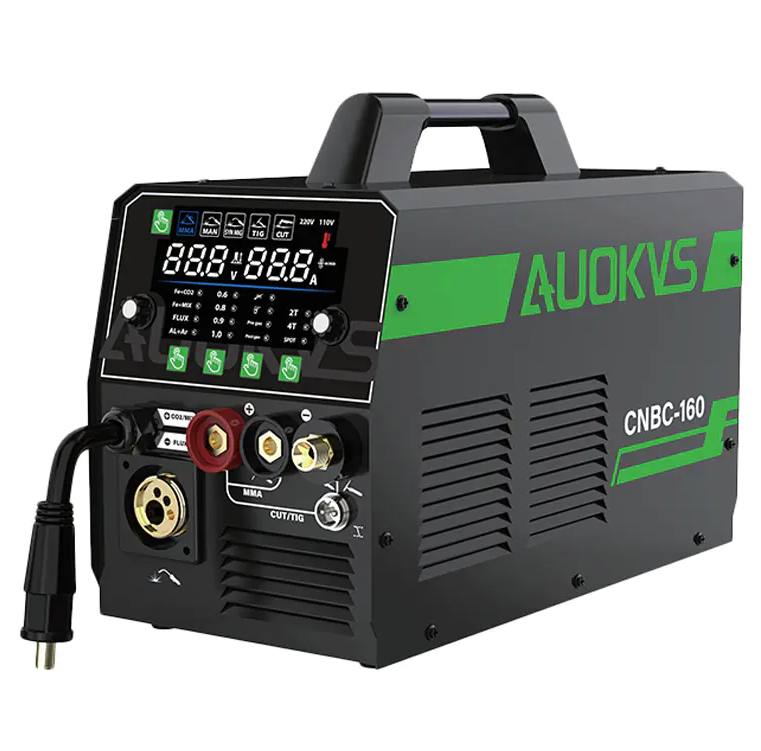
Understanding Why Porosity Occurs
Porosity is a common welding defect caused by gas trapped in the molten weld pool. Any experienced welding machine supplier knows that this issue not only affects the appearance of the weld but also weakens its structural integrity. Gases such as hydrogen, oxygen, and nitrogen can enter the weld due to contamination, improper shielding, or unstable arc conditions. Understanding these causes is the first step toward effective prevention.
Importance of Proper Material Preparation
Clean surfaces are essential for high-quality welding. A reliable welding machine supplier often emphasizes removing rust, oil, paint, and moisture before starting any operation. Contaminants on the base metal can release gases when exposed to high temperatures, leading to pore formation. Proper cleaning methods, such as grinding or chemical treatment, ensure a stable weld pool and reduce the risk of trapped gases.
Optimizing Shielding Gas Protection
Shielding gas plays a vital role in protecting the weld area from atmospheric contamination. Incorrect gas type, insufficient flow, or leaks in the system can allow air to mix with the molten metal. Maintaining a consistent gas flow and ensuring proper nozzle positioning helps create a protective environment around the arc. This reduces the chances of gas absorption and improves overall weld quality.
Adjusting Welding Parameters Correctly
Improper parameter settings can contribute to porosity. If the current or voltage is too low, the weld pool may not remain molten long enough for gases to escape. On the other hand, excessive settings can cause turbulence, drawing in unwanted air. Balancing current, voltage, and travel speed is essential to maintaining a stable arc and allowing gases to dissipate before solidification.
Maintaining Equipment and Consumables
Well-maintained equipment is crucial in preventing defects. Worn or dirty nozzles, contact tips, and liners can disrupt gas flow and arc stability. Regular inspection and timely replacement of consumables help ensure consistent performance. Keeping the welding machine in good condition allows for better control over the welding environment and reduces the likelihood of porosity.
Environmental and Operational Factors
External conditions such as wind, humidity, and temperature can also influence weld quality. Drafts can blow away shielding gas, while high humidity may introduce additional moisture into the process. Working in controlled environments or using protective measures like windshields can significantly reduce these risks. In addition, proper operator technique, including maintaining a steady arc and correct angle, further minimizes the chance of defects.
By focusing on material preparation, parameter optimization, equipment maintenance, and environmental control, welders can effectively prevent porosity and achieve stronger, more reliable welds.
 Greek
Greek
 English
 Arabic
 French
 Spanish
 Portuguese
 Deutsch
 Turkish
 Dutch
Dutch
 Italiano
 Russian
 Romaian
 Portuguese (Brazil)
